Centre examines proposals for super-speciality hospital and paramedical college in Uttarakhand
Source Entity
Latest News: Todays Latest News Headlines from India & World | Hindustan Times | Hindustan Times
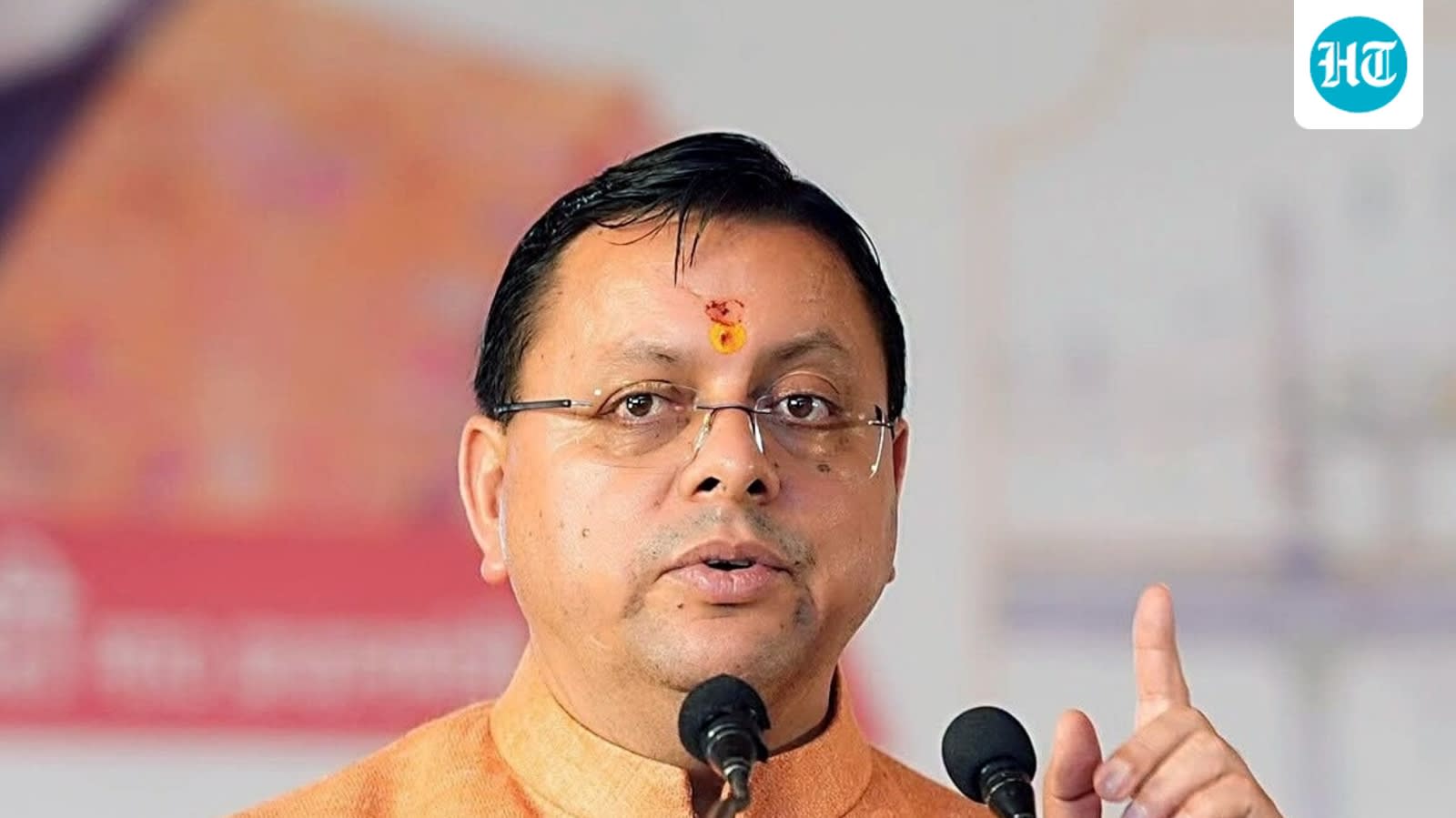
The Union Health Ministry is currently reviewing proposals from the Uttarakhand government to establish a new super-speciality hospital and a paramedical college. These initiatives, spearheaded by CM Pushkar Singh Dhami, aim to significantly bolster specialized medical infrastructure and healthcare education in the state.
Strengthening Uttarakhand’s Healthcare Infrastructure
The Union Ministry of Health and Family Welfare, under the leadership of Minister JP Nadda, has officially initiated a departmental review of two pivotal proposals submitted by the Uttarakhand government. These proposals, championed by Chief Minister Pushkar Singh Dhami, represent a strategic effort to bridge the existing gap in specialized healthcare services and professional medical education within the Himalayan state. By seeking central intervention, the state government aims to leverage federal resources to address the unique geographical and demographic challenges inherent in providing high-quality care to its population.
The Need for Super-Speciality Care
The proposed super-speciality hospital is designed to provide advanced medical treatments that are currently scarce in the region. Often, residents of mountainous areas must travel long distances to metropolitan hubs for complex surgeries or specialized diagnostic procedures. By establishing a dedicated super-speciality facility, the government intends to decentralize advanced care, ensuring that life-saving interventions are more accessible to the local population, thereby reducing the burden on primary health centers and minimizing the need for patient migration.
Advancing Medical Education through Paramedical Training
Parallel to the clinical expansion, the proposal for a new paramedical college under the Hemwati Nandan Bahuguna Uttarakhand Medical Education University addresses the critical shortage of skilled healthcare support staff. Paramedics, technicians, and nursing professionals form the backbone of any hospital system. By integrating this training facility into the state’s existing university framework, Uttarakhand aims to create a sustainable pipeline of local talent, fostering self-reliance in the healthcare workforce and improving the overall quality of patient care.
Strategic Collaboration between Centre and State
The ongoing departmental examination by the Union Health Ministry highlights the collaborative federal approach required for large-scale infrastructure development. CM Pushkar Singh Dhami’s proactive engagement with Union Minister JP Nadda suggests a coordinated effort to align state-level requirements with national health policy goals. This synergy is essential for securing the necessary funding, regulatory approvals, and technical expertise required to translate these blueprints into functional healthcare institutions.
Broader Implications and Future Trends
If approved, these projects could serve as a model for other states with challenging terrain. The integration of specialized hospitals with academic institutions creates an ecosystem that promotes clinical excellence and research. Looking ahead, this move signals a broader trend in Indian public health policy: shifting focus from basic medical coverage to high-acuity, specialized healthcare delivery in Tier-II and Tier-III regions. The success of this initiative will likely depend on the speed of the departmental review and the subsequent implementation timeline.
Conclusion
The review of these proposals marks a significant milestone for Uttarakhand’s public health agenda. By focusing on both specialized clinical infrastructure and the professional development of the medical workforce, the state is taking a comprehensive approach to modernizing its healthcare ecosystem. As the Union Health Ministry continues its assessment, the outcome of these discussions will be pivotal in determining the future of medical accessibility and professional training in the region.
Verification Required?