Maharashtra minister Uike says tribal students’ demands will be met on Day 15 of stir
Source Entity
Soham Shah
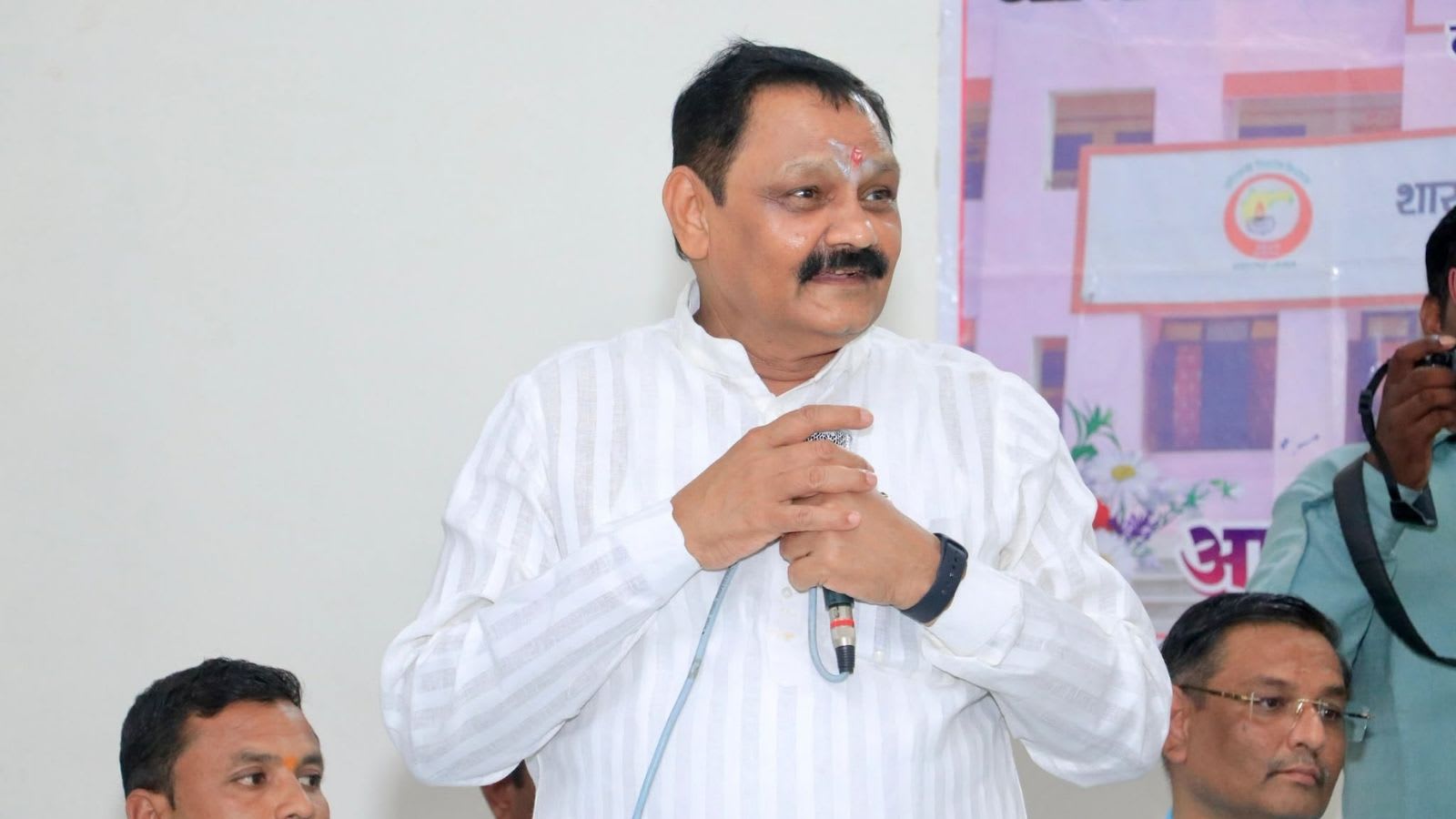
Tribal students in Pune are staging a two-week hunger strike to demand better education, hostel infrastructure, and long-promised employment. Following the escalation of the protest, Maharashtra’s Minister of Tribal Development, Ashok Uike, has pledged in writing to fulfill all their demands.
The Struggle for Equity: Adivasi Students Protest in Pune
In the outskirts of Pune at the Manjari ST (Scheduled Tribes’) Hostel, a group of 70–80 students has been engaged in a sustained hunger strike for over two weeks. These students, many of whom are first-generation college-goers, are demanding systemic improvements to their educational environment. Their grievances center on the lack of adequate hostel infrastructure and the long-standing failure of the state government to implement Supreme Court-mandated employment policies, which were promised to them nine years ago.
The Voice of a New Generation
The protest is marked by a palpable sense of urgency and historical awareness. The students have invoked the legacy of Birsa Munda—a legendary tribal freedom fighter—to frame their struggle as a fight for dignity and rights. By staging their protest in a democratic manner, the youth are challenging the state’s perceived apathy, arguing that their silence has been interpreted as consent for years of institutional neglect. The presence of medical staff checking vital signs highlights the physical toll of this protest, particularly for those like Vijaykumar Bamale, who has been hospitalized multiple times while maintaining his vow to continue the strike until their demands are met.
Institutional Neglect and Policy Failure
The core of the conflict lies in the gap between constitutional mandates and ground-level implementation. The students are specifically highlighting the nine-year delay in providing employment opportunities that were previously mandated by the Supreme Court. This failure suggests a broader systemic issue regarding the allocation of resources for Adivasi development in Maharashtra. The poor conditions of the Manjari hostel—characterized by dusty blankets and inadequate facilities—serve as a physical manifestation of the state's failure to provide an environment conducive to learning for marginalized communities.
Government Response and Promises
On the fifteenth day of the strike, the Maharashtra government finally engaged with the protestors. Minister of Tribal Development, Ashok Uike, held a press conference to announce that the state had agreed to meet all of the students' demands. Crucially, he noted that these assurances had been provided to the students in writing. This development marks a significant turning point in the standoff, shifting the focus from the act of protest to the actual implementation of the promised reforms.
Future Implications and Conclusion
While the government's commitment to fulfill these demands is a positive step, the history of this nine-year delay necessitates ongoing vigilance. The students' persistence has forced a public reckoning with the state's obligations toward its tribal population. The future success of this resolution will depend on the transparency and speed of the government's actions regarding hostel upgrades and employment placements. If these promises are fulfilled, it could set a precedent for how the state addresses the grievances of Adivasi youth, moving from a culture of neglect to one of active empowerment and accountability.