Cops attacked, tear gas shells fired: Worker’s death sparks violence in Gujarat
Source Entity
Aditi Raja
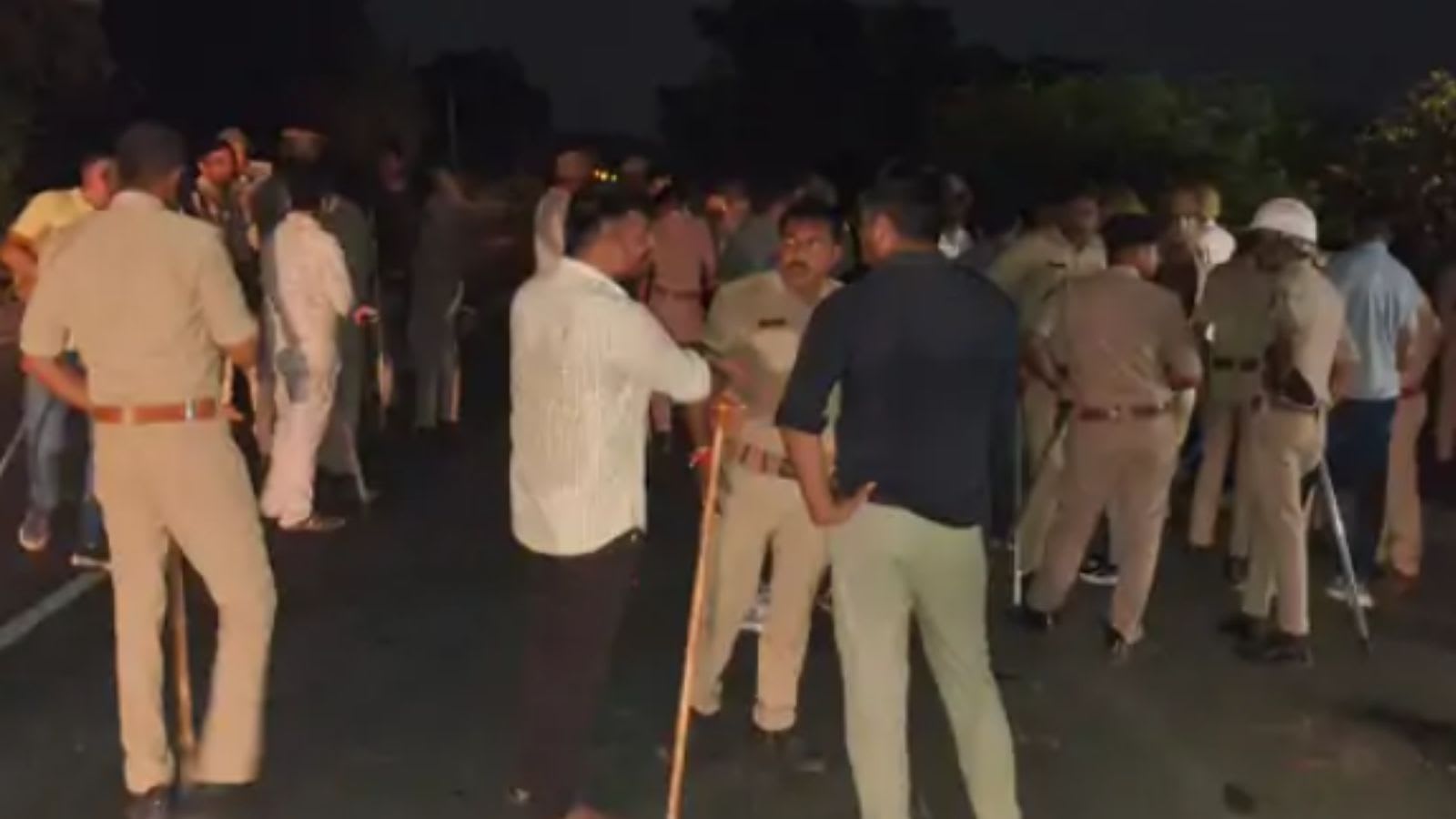
A factory worker's death at Rohan Dyes and Intermediates Ltd in Gujarat sparked violent protests in Kalamsar village. Clashes between villagers and police resulted in injuries and the deployment of additional security forces.
Tensions Erupt in Gujarat Over Industrial Fatality
The Incident at Rohan Dyes and Intermediates
On Thursday, a tragic workplace accident at Rohan Dyes and Intermediates Ltd in Kalamsar village, Anand district, served as the catalyst for significant civil unrest. The incident involved the death of Ranjitsinh Natubhai Singha, a worker who had only joined the facility 15 days prior. Reports indicate that an iron pole fell upon Singha and a colleague, Shaktisinh, while they were performing their duties. This event highlights recurring concerns regarding industrial safety protocols and the vulnerability of laborers in the manufacturing sector.
Escalation into Civil Unrest
The aftermath of the accident saw a rapid deterioration of public order as local villagers gathered to demand compensation for the victim's family. What began as a protest quickly descended into violence, characterized by stone-pelting and vandalism. The intensity of the confrontation necessitated a firm response from local law enforcement, who utilized tear-gas shells and a lathi-charge to disperse the crowd and regain control of the situation in Khambhat taluka.
Impact on Law Enforcement and Public Safety
The clash resulted in injuries to five individuals, including three police officers, underscoring the volatility of the situation. Following the violence, authorities moved to stabilize the area by significantly increasing police presence. Multiple units were deployed, and senior officers were positioned on the ground throughout Thursday night to prevent further escalation and maintain the peace in Kalamsar.
Industrial Safety and Accountability
This incident brings into sharp focus the broader implications of industrial safety standards in Gujarat’s manufacturing hubs. When a new employee—such as Singha, who was only two weeks into his tenure—suffers a fatal accident, it raises critical questions about site-specific training, the integrity of infrastructure, and the enforcement of labor laws. The demand for compensation is a natural reaction from a community seeking accountability for what they perceive as a failure in duty of care.
Future Implications and Conclusion
Moving forward, the state authorities will likely face pressure to conduct a thorough inquiry into the safety lapses at the facility. The violence serves as a stark reminder of the fragile relationship between industrial entities and local communities when trust is broken by fatal accidents. As the investigation proceeds, the focus will remain on whether the company followed safety regulations and how the administration manages the growing demands for justice and compensation to prevent further civil disturbances.