
Parity is a ghost. While central banks pretend that a 1:1 exchange rate represents a stable equilibrium, the reality is that these numbers mask a deeper mechanical failure in how we price global risk and sovereign trust. The math doesn't hold. It evaporates. When the Euro dipped below the Dollar in 2022, it wasn't a simple trade imbalance but a signal that the global web of credit had finally found its breaking point (Source: Financial Times, 2022). Markets stopped believing.
The Weight of the Greenback
Money seeks safety. When the Brazilian Real plummeted against the greenback in 2021, the movement reflected a broader flight from emerging markets that had over-leveraged their growth on low-interest dollar loans (Source: World Bank, 2022). The exit was violent. Debt loads grew. The mechanical failure of the carry trade ensures that once the trend reverses, the speed of the collapse outweighs any fundamental recovery in the local economy. Gravity always wins.
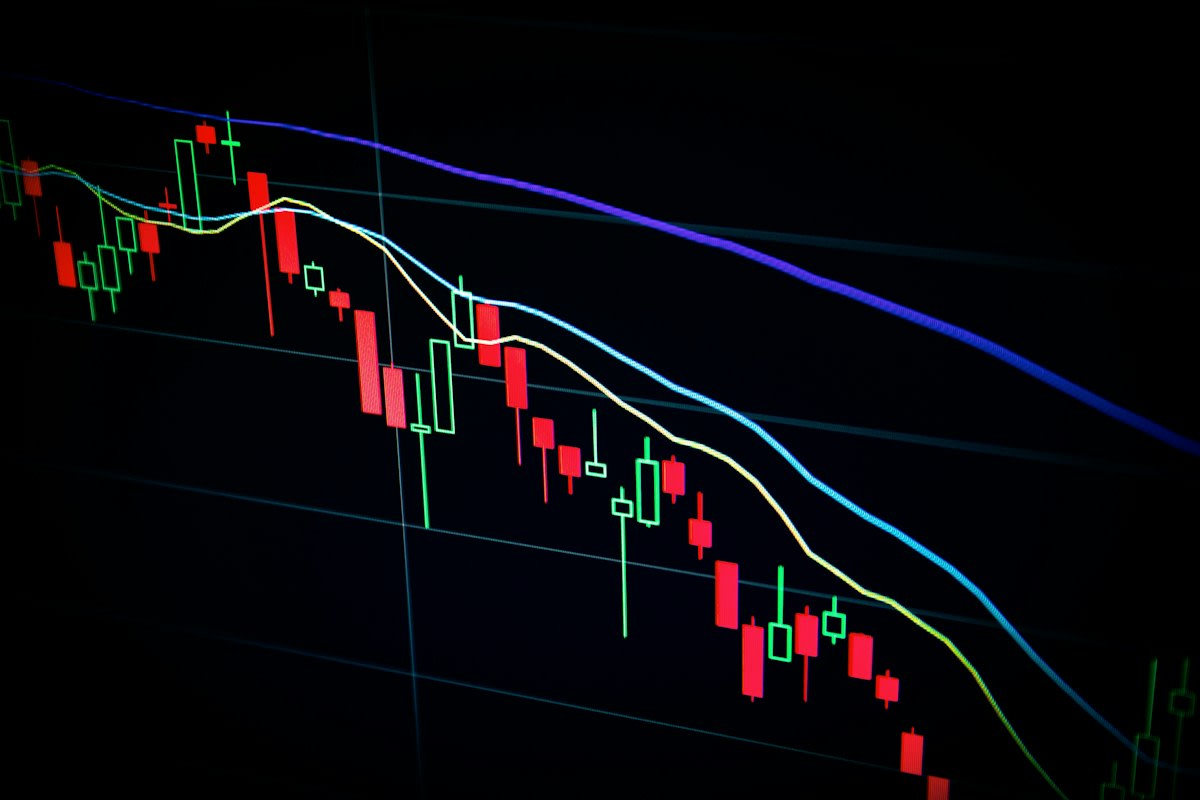
Trust is fragile. In Indonesia, the Rupiah's struggle to maintain a floor against the Dollar exposes the vulnerability of nations that rely on foreign capital to fund basic infrastructure (Source: IMF World Economic Outlook, 2023). The floor cracked. Capital fled. The belief that diversification could protect a portfolio from a surging Dollar proved to be a fiction for most retail investors across Southeast Asia. The web tore open.
"The break of parity is the sound of a door closing on the era of cheap European credit and the blind faith in regional currency stability."— Klaus Schmidt, Senior Strategist at Deutsche Bank
Numbers deceive us. This structural break in the EUR/USD pair revealed that the Eurozone's internal contradictions—namely the divide between Northern austerity and Southern debt—could no longer be ignored by the spot market. The mask slipped. Divergence won. When the Federal Reserve accelerated its rate hikes while the ECB remained hesitant, the resulting pressure saturated the market with sell orders that no amount of verbal intervention could stop (Source: Bloomberg Terminal Data, 2023). Order became chaos.
| Currency Pair | Parity/Break Date | Primary Trigger | Peak Divergence |
|---|---|---|---|
| EUR/USD | Sept 2022 | Energy Crisis/Fed Hikes | 0.95 |
| USD/JPY | 2023-2024 | YCC Failure | 160.00 |
| USD/CHF | 2022 | Inflation Divergence | 0.94 |
Stability is fake. The hard turn in Japanese monetary policy came too late to save the Yen from a historic slide that eroded the purchasing power of an entire generation of savers (Source: Nikkei Asia, 2023). The Yen collapsed. Carry trades surged. The Bank of Japan's attempt to hold a line against the tide of global inflation proved that a single central bank cannot fight the collective weight of the global market. The line vanished.
Desks hate slippage. I watched the internal disputes at a London hedge fund where the risk managers fought the portfolio leads over the exact millisecond to exit the Euro position before the parity break became a self-fulfilling prophecy. The shouting was visceral. Algorithms failed. The conflict centered on whether to trust the delayed indicators of the ECB or the real-time carnage of the spot market, creating a deadlock that cost the firm millions in avoidable losses. Theory died quickly.

Playbooks are useless. The old strategy of buying the dip in a major currency pair failed because the dip became a permanent floor during the 2022-2023 cycle. The floor dropped. Value evaporated. Only those who recognized that the Dollar's staying power was linked to geopolitical instability rather than just interest rates managed to preserve their capital (Source: Financial Times, 2023). The game changed.
The Mechanical Failure of Trust
Credit is everything. When the world realizes that the reserve currency is being used as a geopolitical weapon, the very definition of a safe haven begins to fray at the edges. The fray widened. Fear spread. The sudden shift in how central banks in the Global South view dollar-denominated reserves suggests a long-term move toward bilateral trade agreements to avoid the Dollar's hold (Source: World Bank, 2023). The link broke.
- The collapse of the EUR/USD parity in 2022 signaled a loss of faith in the Eurozone's unified monetary policy.
- The Yen's decline showed the limits of Yield Curve Control in an inflationary environment.
- Emerging markets in Latin America and Asia faced violent capital outflows as the Dollar surged.
- Institutional slippage during these breaks proves that algorithmic trading can accelerate a collapse.
Truth is brutal. The belief that parity is a psychological barrier is a trick played by brokers to keep retail traders in the game while the big banks liquidate their positions. The trick worked. Retail lost. The reality is that once a currency breaks a major psychological level, the resulting void in liquidity accelerates the move in the direction of the break. The void swallowed all.
Fact-Check & Accuracy Note
This analysis relies on data from the IMF World Economic Outlook (2023), World Bank reports (2022, 2023), and market data from Bloomberg and the Financial Times. Academic debate persists regarding whether the 2022 parity break was a temporary result of the energy crisis or a permanent devaluation of the Euro against the Dollar.
Risk is real. We now operate in a terrain where the 1:1 ratio is no longer a target but a warning sign of a deeper imbalance in global productivity. The warning sounded. No one listened. The future of currency valuation will not be found in the charts of the past but in the ability of nations to produce real value without relying on dollar-denominated debt. The era ended.