50 crore out of poverty, yet some don’t want to talk about that: PM Narendra Modi
Source Entity
The Indian Express
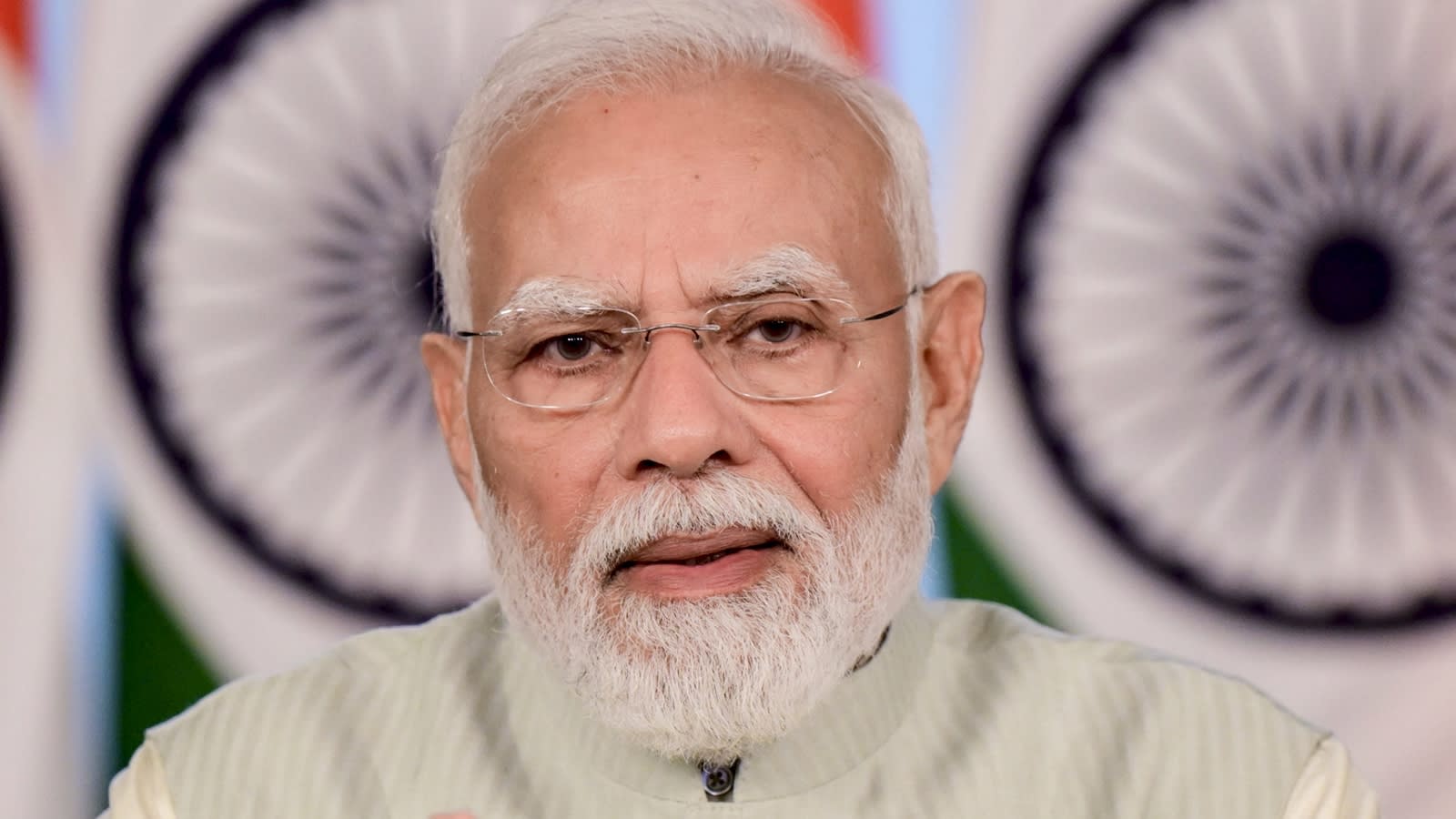
Prime Minister Narendra Modi has highlighted a significant reduction in India's poverty, citing a World Bank report showing a drop from 27.1% to 2.6% between 2011 and 2023. He criticized political opposition for failing to acknowledge the government's role in lifting 50 crore people out of poverty.
India's Poverty Alleviation: A Statistical and Political Milestone
Prime Minister Narendra Modi recently addressed BJP workers during a post-Diwali 'Sneh Milan' event in Gujarat, focusing on a significant shift in India's economic landscape. Citing a World Bank report, the Prime Minister noted that India's extreme poverty rate has declined from 27.1 percent in 2011 to 2.6 percent in 2023. This statistical transformation represents the upliftment of approximately 50 crore people, a figure that has become a central talking point in the government's narrative of economic progress and policy efficacy.
Political Discourse and the 'Opposition' Narrative
During his address, the Prime Minister took an apparent dig at the Opposition, expressing frustration that some individuals remain reluctant to credit his administration for this achievement. By framing the reduction in poverty as a direct success of his government's policies, the PM is effectively positioning economic development as the primary metric of his governance. This discourse serves to solidify the BJP's base by contrasting the current administration's performance with the political skepticism of its rivals.
Connecting Economic Data to National Pride
Modi invoked the legacy of India’s freedom fighters during his speech, suggesting that those who sacrificed for independence would find pride in these current economic indicators. By linking the removal of poverty to the aspirations of the nation's founders, the Prime Minister elevates the economic policy debate into a patriotic imperative. This rhetorical strategy aims to make the acknowledgment of poverty reduction a matter of national consensus rather than partisan politics.
The 'Lakhpati Didi' and Aspirational India
Complementing the PM's remarks, Finance Minister Nirmala Sitharaman recently highlighted grassroots economic empowerment, specifically citing the success of 'Lakhpati Didis' in remote areas like Nagaland. These anecdotal successes, such as tribal women selling products online, serve as a micro-level validation of the macro-level data provided by the World Bank. The government is emphasizing that this poverty reduction is not just a statistical phenomenon but a transformation reaching the most remote corners of the country.
Future Trends and Economic Challenges
Looking ahead, the government’s focus is clearly shifting from basic poverty alleviation to the creation of 'Crorepati Didis' and the expansion of digital and market access for rural entrepreneurs. The central challenge for the administration will be maintaining this trajectory of growth while ensuring that the benefits of the economy reach the remaining population still navigating financial instability. As the data shows a sharp decline in extreme poverty, the political debate will likely evolve from measuring basic survival to addressing issues of wealth distribution and sustained economic mobility.
Conclusion
The alignment between international economic reporting and domestic political messaging underscores a concerted effort by the Indian government to claim credit for a generational shift in living standards. While the World Bank data provides the factual backbone for these claims, the narrative surrounding it remains a highly charged element of India's political landscape. Whether this momentum can be sustained will depend on the continued integration of rural economies into the national and global digital market.