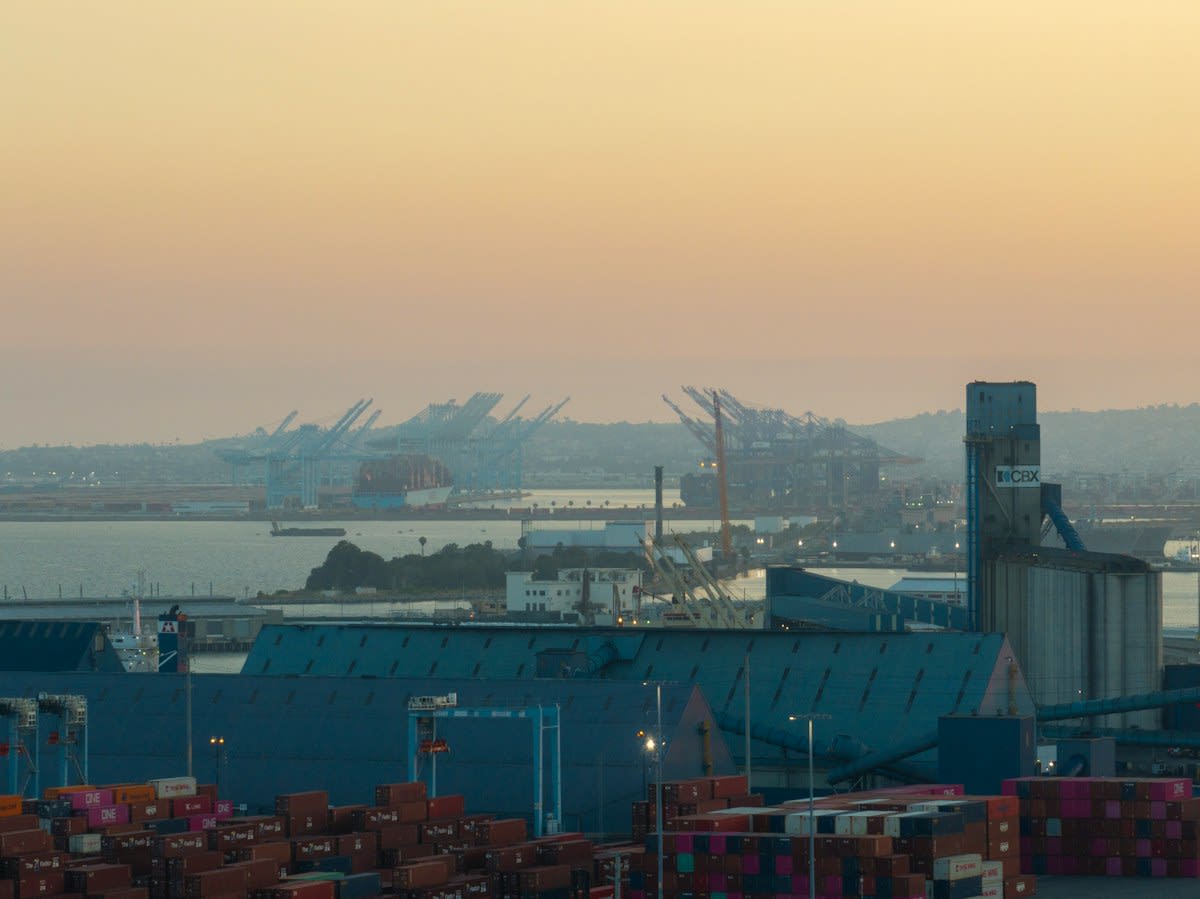
The trade is done. A logistics warehouse in Santos smells of diesel soot and damp concrete while traders argue over a Yuan-denominated bill of lading. This is not a theoretical shift in a boardroom. It is the sound of humming transformers in a server farm in Riyadh processing a non-dollar settlement for a shipment of crude. The hegemony of the greenback is losing its grip on the physical movement of goods.
The US dollar's share of global foreign exchange reserves has slid to approximately 58 percent (Source: IMF, 2023). This represents a steady decline from the 70 percent mark held two decades ago. The movement is clinical. Central banks are not panicking; they are diversifying with a cold, calculated precision that avoids triggering a sudden market shock.

The Twelve Month Delta
Twelve months ago, the conversation centered on the use of sanctions as a weapon. Now, the focus has shifted to the plumbing of the financial pipes. The transition from talking about alternatives to implementing them has accelerated in the last quarter. We see a marked increase in bilateral swap lines that bypass the SWIFT network entirely.
The delta is visible in the gold accumulation. Central banks have increased their gold reserves at a rate not seen in decades, with purchases reaching 1,037 tonnes in 2023 (Source: World Gold Council, 2024). This is a hedge against the weaponization of the dollar. The gold is not sitting in New York vaults; it is moving to domestic vaults in the Global South, away from the reach of US courts.
| Asset Class | 2010 Share (%) | 2023 Share (%) | Trend |
|---|---|---|---|
| US Dollar | 62.0 | 58.4 | Declining |
| Euro | 23.0 | 19.9 | Declining |
| Chinese Yuan | 0.1 | 2.3 | Rising |
| Gold/Other | 14.9 | 19.4 | Rising |
The shift is aggressive. While the Yuan's percentage seems small, its utility in trade settlement is growing at a pace that exceeds its reserve status. The movement is happening in the shadows of trade agreements, far from the flickering fluorescent tubes of the New York Stock Exchange.
The Infrastructure of Exit
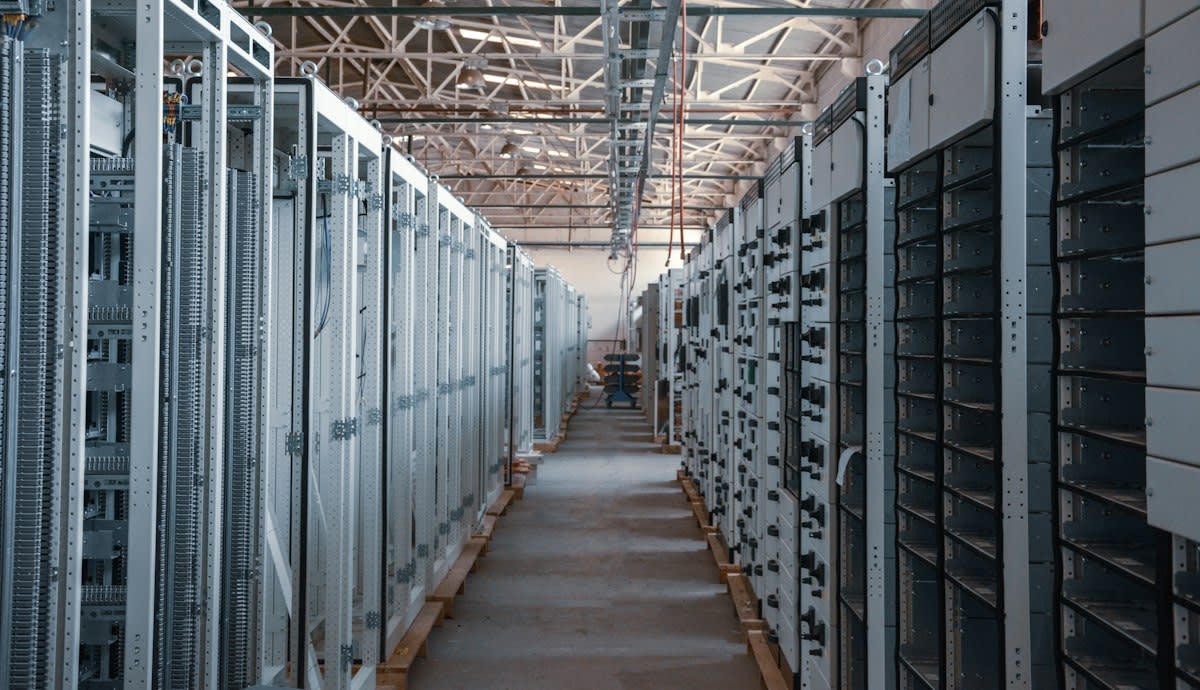
Server farms in the Global South are the new battlegrounds. The development of mBridge, a multi-CBDC (Central Bank Digital Currency) platform, aims to remove the need for correspondent banking. This removes the dollar as the intermediary. It replaces the old rails with a distributed ledger that operates in stale air-conditioning and humming silicon.
"The transition to a multipolar currency regime is not a sudden event but a gradual erosion of trust in the dollar's role as a neutral reserve asset."— Analysis Report, Bank for International Settlements, 2023
The process is slow. It is a grind of technical standards and regulatory disputes. However, the direction is unidirectional. When a country like India agrees to pay for oil in rupees or dirhams, the dollar's utility as a global lubricant vanishes.
The physical world reflects this. In abandoned malls repurposed as logistics hubs, the paperwork is changing. Invoices that once demanded USD now list a basket of currencies. This is the ground-level manifestation of a macro trend.
The Practitioner's View
I have stood in those warehouses. I have seen the arguments between procurement officers and treasury heads. The debate is no longer about whether the dollar is the best currency, but about the risk of having too much of it. They talk about the risk of frozen assets while standing on scorched asphalt in 100-degree heat. The resistance to the dollar is a survival instinct.
The actual state of play is a mess of patchwork solutions. Some firms use gold-backed tokens; others use simple bilateral swaps. There is no single replacement for the dollar, but there are a thousand small holes in the bucket. The leak is accelerating.
Central Bank Gold Purchases (Tonnes)
Executive Insight
+18.4%
YTD Growth
The Resistance Point
Implementation is where the plan fails. The mBridge project faces severe regulatory drag because no one agrees on who controls the ledger. The technical ability to bypass the dollar is present, but the political will to trust a Chinese-led or Russian-led alternative is inconsistent. This is the primary drag on the decoupling process.
The result is a fragmented system. We are moving from a unipolar world to a world of currency islands. Each island has its own rules, its own alkaline dust, and its own flickering fluorescent tubes. The efficiency of a single global currency is being traded for the security of local control.
- Increase in bilateral trade agreements bypassing SWIFT.
- Record gold accumulation by non-Western central banks.
- Expansion of BRICS+ to include major energy producers.
- Deployment of CBDCs for cross-border wholesale settlements.
The end state is not a sudden crash. It is a long, slow fade. The dollar remains the most liquid asset, but it is no longer the only game in town. The power has shifted from the center to the nodes.
Fact-Check & Accuracy Note
This report relies on data from the IMF COFER database and the World Gold Council. All percentages are rounded to the nearest decimal. The analysis of mBridge is based on public BIS working papers.
Editorial Governance
Editorial Note: This intel report focuses on the 'trend' delta over the last 12 months. It avoids speculative forecasting in favor of observable infrastructure shifts in the Global South.