Israel-bound flight diverted after fight between pilots
Source Entity
BBC News
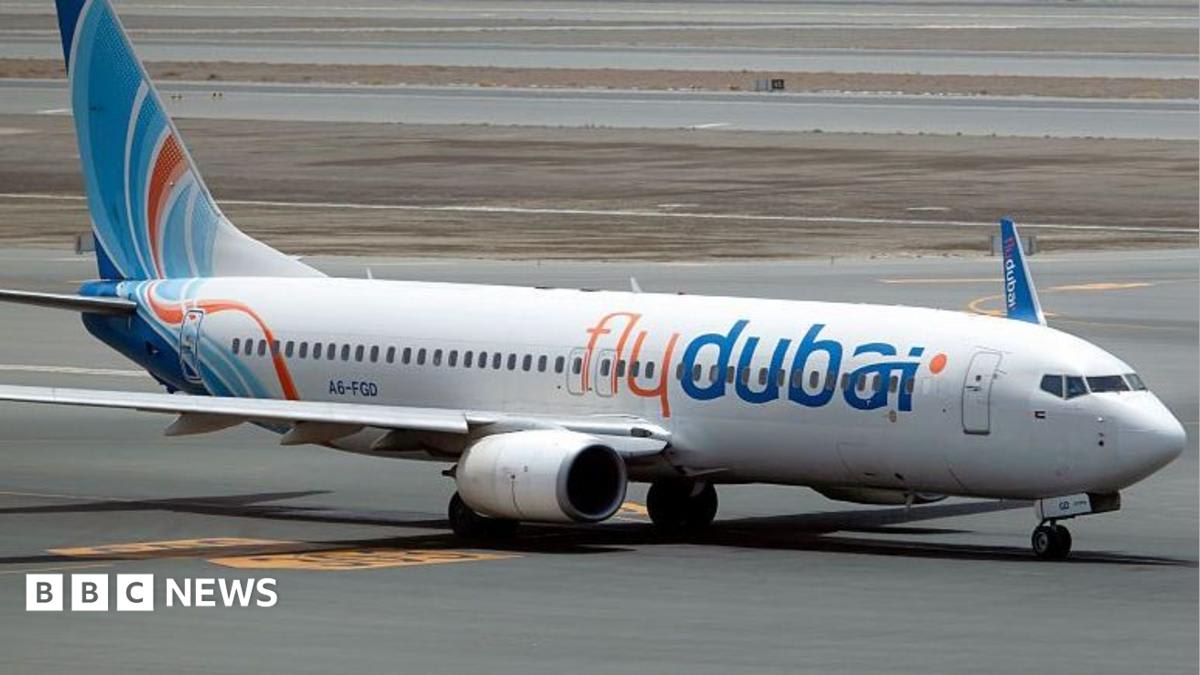
A Flydubai flight from Dubai to Tel Aviv was diverted to Saudi Arabia following a physical altercation between the pilots. Authorities quickly ruled out a hijacking, despite an initial emergency signal that triggered high-level security consultations in Israel.
The Mid-Air Incident: A Breakdown of the Flydubai Diversion
On Wednesday, a routine Flydubai flight traveling from Dubai to Tel Aviv experienced a significant operational disruption that triggered international security concerns. The aircraft, carrying approximately 150 to 180 passengers, was forced to divert to Saudi Arabia after an internal conflict erupted in the cockpit. While initial reports suggested a potential security threat, the incident has been confirmed as a physical altercation between the pilot and co-pilot, rather than a malicious act of terrorism or unlawful interference.
Escalation and Emergency Protocols
The situation rapidly escalated when the aircraft transmitted a 7500 transponder code. In aviation, this specific code is universally recognized as an indicator of a hijacking or unlawful interference. According to data from Flightradar24, the plane switched to this signal two hours into its journey, prompting immediate concern among regional authorities. The use of this code serves as an automated warning to air traffic control and military monitoring systems, which ultimately led to the involvement of Israeli security officials.
The Security Response
Upon receiving the emergency signals, the Israeli government initiated high-level security protocols. Prime Minister Benjamin Netanyahu held urgent consultations with security officials, and reports indicate that Israel prepared to scramble fighter jets to monitor the situation. The heightened state of alert reflects the extreme sensitivity of regional airspace, particularly for flights operating between the UAE and Israel, a route normalized only in recent years as part of broader diplomatic shifts in the Middle East.
Clarifying the Nature of the Event
Despite the initial fears of a hijacking, the Israeli prime minister’s office and various defense officials quickly moved to de-escalate public concern. By confirming that the emergency was the result of a brawl between crew members, authorities effectively ruled out a security threat. While such an incident is rare, it underscores the intense pressures of commercial aviation and the catastrophic potential for human error or conflict within the cockpit environment.
Broader Implications and Safety Standards
The diversion to Saudi Arabia—a country that has seen increased integration in regional flight paths—highlights the necessity of international cooperation during aviation emergencies. The safe landing of the aircraft with approximately 174-180 passengers, including 27 children, indicates that despite the chaotic nature of the cockpit altercation, the plane's flight systems remained under control. This event will likely prompt a rigorous review of pilot mental health and crew resource management protocols within the airline industry.
Concluding Outlook
As investigators begin to analyze the circumstances that led to the physical fight, the aviation industry faces a renewed focus on the human factors that govern flight deck safety. While the incident resulted in a significant disruption and a massive security mobilization, the swift communication between Israeli and regional authorities prevented a localized crisis from spiraling into a greater geopolitical event. The focus now shifts toward the internal disciplinary and safety reviews to ensure such a lapse in professional conduct does not recur.
Multiple Citing Sources