This Texas couple said no to a national park in 1972 and walked away with $55,000 and a home for life
Source Entity
Latest News: Todays Latest News Headlines from India & World | Hindustan Times | Hindustan Times
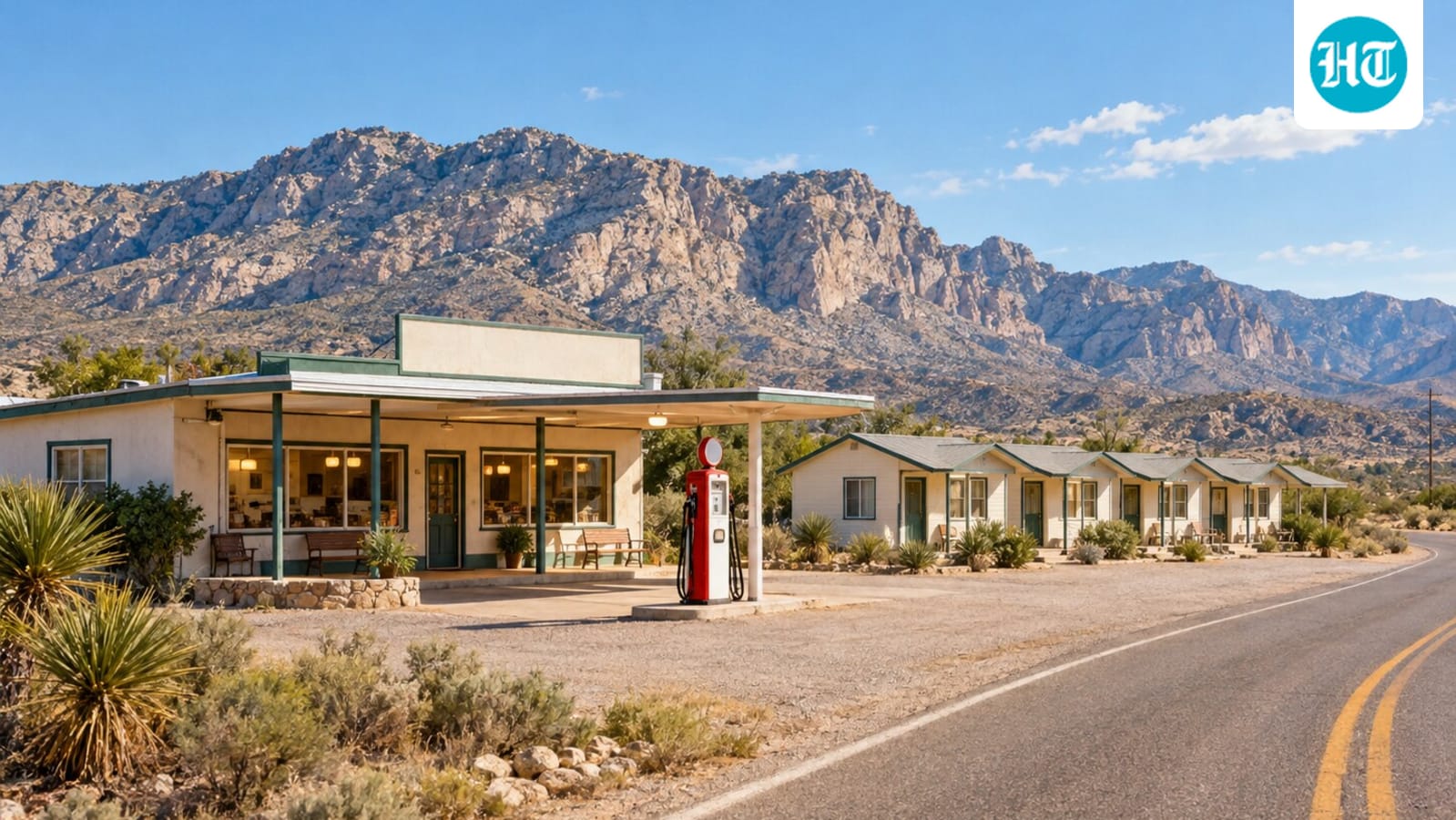
The establishment of Guadalupe Mountains National Park was shaped by two contrasting land stories: Wallace Pratt's massive 1959 conservation donation and the Glovers' firm 1972 legal battle to retain their home. These events highlight the complex intersection of private property rights, federal land acquisition, and the preservation of Texas history.
The Dual Legacy of Guadalupe Mountains National Park
The creation of Guadalupe Mountains National Park, established in 1972, serves as a compelling case study in the complexities of American land conservation. The park's formation was not a singular event but a synthesis of two vastly different approaches to land ownership: the philanthropic vision of geologist Wallace Pratt and the defiant, rights-based stance of local landowners Walter and Bertha Glover.
The Vision of Wallace Pratt
In 1921, petroleum geologist Wallace Pratt was introduced to the rugged beauty of McKittrick Canyon while scouting for oil leases. Struck by the oasis-like environment, Pratt purchased the land as a private retreat. His decision to donate 4,942 acres of this land in 1959 was the primary catalyst for the park's inception. Pratt's contribution was not merely a gift of acreage; it was a preservation of architectural and geological history, as his unique stone residences, inspired by the structural design of oil tankers, remain preserved as educational landmarks within the park today.
The Glover Resistance
Contrasting sharply with Pratt’s altruism was the experience of Walter and Bertha Glover, who had operated a gas station, store, and motel near Pine Springs since 1913. Upon learning of the park proposal in 1964, the couple vehemently opposed the federal acquisition of their 80-acre property. Their resistance was so firm that they reportedly drove away park advocates, creating a significant bureaucratic hurdle for federal negotiators who struggled to navigate the couple's refusal to concede their home and livelihood.
Legal Precedent and Property Rights
The conflict between the Glovers and the National Park Service eventually necessitated judicial intervention. In 1972, a court ruling provided a unique resolution: the couple was awarded $55,000, but they were granted the exceptional right to remain on their land for the duration of their lives. This outcome underscores the tension inherent in the 'eminent domain' process, where the government’s goal of public conservation clashes with the deeply held property rights of long-term residents.
Historical Implications and Modern Context
These two narratives illustrate the broader challenges of 20th-century conservation efforts in the United States. While the park service sought to consolidate land to protect the Chihuahuan Desert’s unique ecosystems, they were forced to balance these goals against the personal histories of the families who had cultivated the land for decades. The preservation of the Pratt homes alongside the memory of the Glover property highlights a multifaceted approach to history, where both the grand donor and the small-scale business owner are recognized as part of the park's heritage.
Concluding Thoughts
The legacy of Guadalupe Mountains National Park is defined by this blend of top-down conservation and grassroots resistance. By preserving the structures of the past—from the geologist’s mountain sanctuary to the site of a local family’s lifelong home—the National Park Service ensures that the history of this region remains as diverse as its geology. This history serves as a reminder that the formation of public lands is often as much about people and property rights as it is about environmental protection.
Verification Required?