'Wars No Longer Make Sense': Pope Urges Russia, Ukraine To Sit Down And Talk
Source Entity
NDTV News Search Records Found 1000
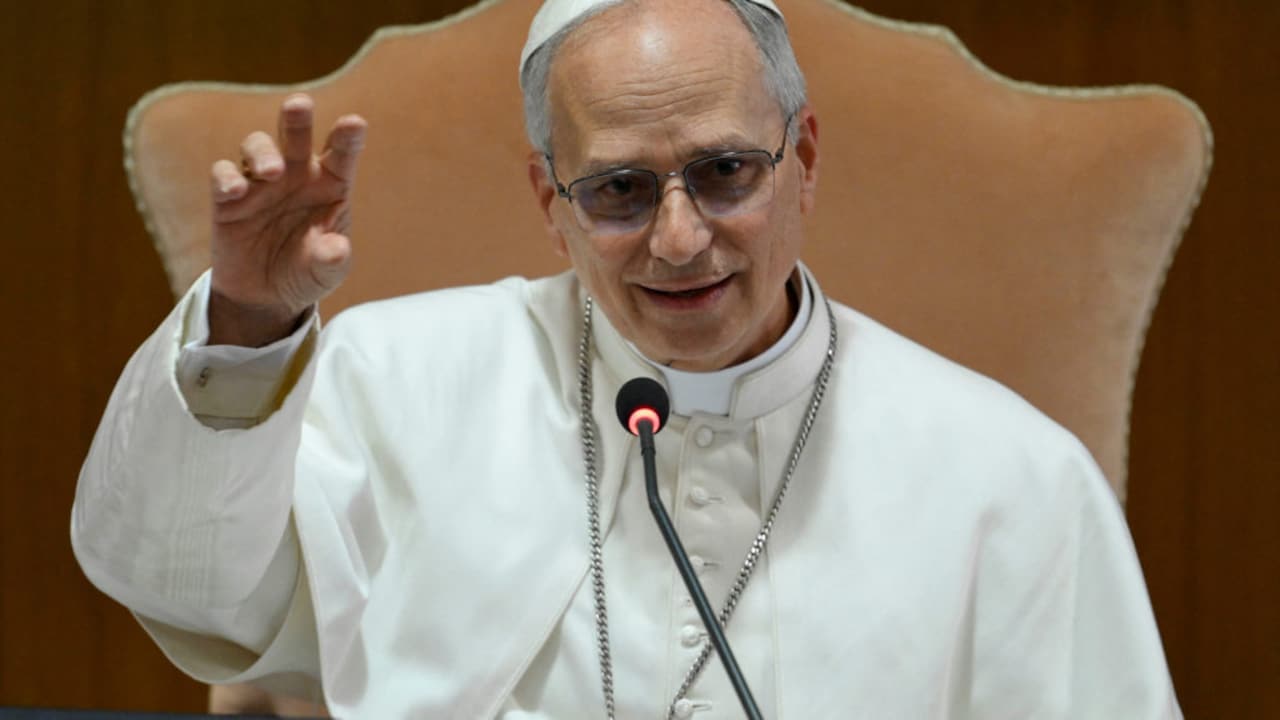
Pope Francis has publicly called for Russia and Ukraine to engage in peace negotiations, asserting that modern warfare has become senseless. He emphasized the Catholic Church's moral duty to advocate for global peace and dialogue.
The Moral Imperative for Peace
In a recent appeal, Pope Francis has urged Russia and Ukraine to cease hostilities and prioritize dialogue, declaring that "wars no longer make sense." This statement reinforces the long-standing diplomatic tradition of the Holy See, which often positions itself as a neutral mediator in international conflicts. By framing the current geopolitical impasse as irrational, the Pope is challenging the traditional justifications for war, suggesting that the human and material costs in the modern era far outweigh any potential strategic gains.
The Role of the Catholic Church
The Pope highlighted that the 1.4-billion-member Catholic Church bears a profound obligation to advocate for peace on the global stage. This is not merely a diplomatic stance but a reflection of the Church's social doctrine, which consistently emphasizes the sanctity of human life and the necessity of reconciliation. Given the immense size of the Catholic population globally, this call serves as a moral rallying cry, intended to influence public opinion and pressure leadership in both Moscow and Kyiv to reconsider the path of violence.
Analyzing the 'Senseless' Nature of Modern Conflict
When the Pope asserts that wars "no longer make sense," he is likely pointing to the catastrophic nature of modern weaponry and the interconnectedness of the global economy. In the 21st century, the collateral damage of conflict—ranging from energy crises and food insecurity to the threat of nuclear escalation—renders traditional territorial gains pyrrhic. By questioning the logic of war, the Pope is attempting to shift the narrative from one of military victory to one of humanitarian preservation.
Historical Context and Diplomatic Precedent
Historically, the Vatican has played a critical role in conflict resolution, acting as a back-channel for communication when official diplomatic relations have crumbled. From the mediation of the Beagle Channel dispute in the late 1970s to its engagement in various Cold War-era tensions, the Holy See has consistently utilized its unique status as a sovereign entity without a standing army to facilitate peace. This latest intervention continues that legacy, emphasizing that the Church's power lies in its moral authority rather than military might.
Future Implications and Global Trends
Looking forward, the success of such appeals depends heavily on the willingness of the involved parties to engage in genuine compromise. While the Pope’s call for negotiation may not result in an immediate ceasefire, it keeps the pressure on international actors to prioritize diplomatic solutions over military escalation. As the conflict persists, the Vatican’s insistence on dialogue serves as a reminder that the global community remains deeply concerned with the humanitarian toll of the war and the long-term stability of the European continent.
Conclusion
The Pope’s intervention serves as a significant diplomatic marker, underscoring the ethical dimensions of the Russia-Ukraine conflict. By centering the conversation on the inherent "senselessness" of war, the leader of the Catholic Church is appealing to the universal human desire for security and stability. Whether this leads to a tangible shift in policy remains to be seen, but the message remains clear: the path to sustainable peace must be paved with dialogue, not destruction.
Verification Required?