Gangster Goldy Brar added to FBI's 10 Most Wanted list with $1 million reward
Source Entity
Latest News: Todays Latest News Headlines from India & World | Hindustan Times | Hindustan Times
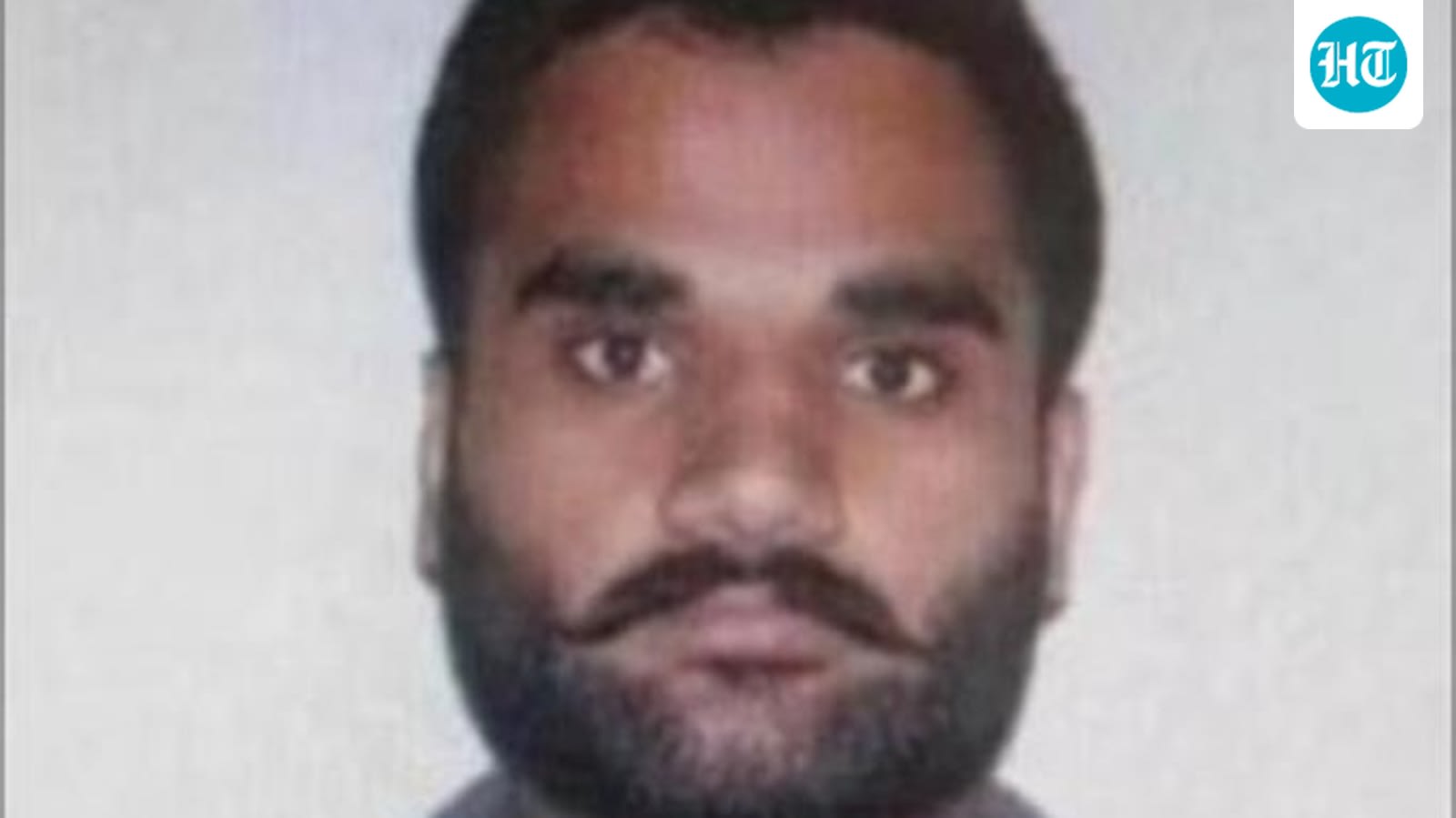
The FBI has placed gangster Goldy Brar on its 10 Most Wanted list, offering a $1 million reward for information leading to his arrest. This move underscores a significant escalation in international efforts to dismantle transnational crime syndicates linked to the Lawrence Bishnoi gang.
The Global Manhunt for Goldy Brar
The Federal Bureau of Investigation (FBI) has officially designated Satinderjeet Singh, widely known as Goldy Brar, as one of its 10 Most Wanted Fugitives. This high-profile inclusion, accompanied by a substantial $1 million reward for information leading to his capture, marks a critical turning point in the international legal pursuit of individuals accused of orchestrating transnational criminal activities. Brar, who is reportedly associated with the Lawrence Bishnoi gang, is currently believed to be residing within the United States, making him a primary target for American federal authorities.
Escalation in Transnational Law Enforcement
This development signifies a strategic shift in how law enforcement agencies address organized crime that spans across continents. The FBI’s decision to prioritize Brar’s arrest reflects the growing concern regarding the reach of crime syndicates operating between Asia and North America. By elevating his status to the 10 Most Wanted list, the FBI is signaling that the activities attributed to the Bishnoi gang—and by extension, Brar—have reached a threshold that demands intensive, centralized investigative resources and global cooperation.
Contextualizing Operation Hard Ball
The pursuit of Brar is not an isolated incident but rather a component of a larger, coordinated push against organized crime. It follows closely on the heels of 'Operation Hard Ball,' a multinational effort spearheaded by United States and Canadian authorities. This operation was specifically designed to disrupt the infrastructure of three India-linked crime groups: the Bishnoi gang, the Dhanda organized crime group, and the Bhagwanpuria gang. These groups have been identified as having complex networks that challenge traditional jurisdictional boundaries.
The Role of International Cooperation
Criminal organizations often exploit the gaps between international legal jurisdictions to evade prosecution. The involvement of the FBI, in concert with Canadian law enforcement, highlights a modern approach to policing where intelligence sharing and joint operations are paramount. By placing a million-dollar bounty on Brar’s head, the U.S. government is incentivizing the public and potential informants to assist in dismantling a network that has been linked to significant unrest and criminal behavior.
Implications for the Bishnoi Gang
Goldy Brar’s alleged involvement with the Lawrence Bishnoi gang places him at the center of a much wider web of criminal investigations. The Bishnoi gang has been subject to intense scrutiny by authorities, and the removal of key figures like Brar from the operational landscape is likely intended to destabilize the group's leadership structure and recruitment efforts. The FBI’s move suggests that the U.S. views these entities not merely as local threats, but as significant challenges to public safety and regional stability.
Future Trends in Criminal Prosecution
As the manhunt for Brar continues, it is likely that we will see increased pressure on international criminal syndicates operating in the diaspora. The success of this operation may set a precedent for how the FBI handles similar fugitives who hide in plain sight within the United States. Future trends suggest a continued tightening of surveillance and a more aggressive use of financial rewards to flush out high-value targets, ensuring that transnational criminals find fewer safe havens in which to operate.
Multiple Citing Sources
Verification Required?