Geologist's 4,942-acre gift in 1959 helped create Guadalupe Mountains Park
Source Entity
TOI WORLD DESK
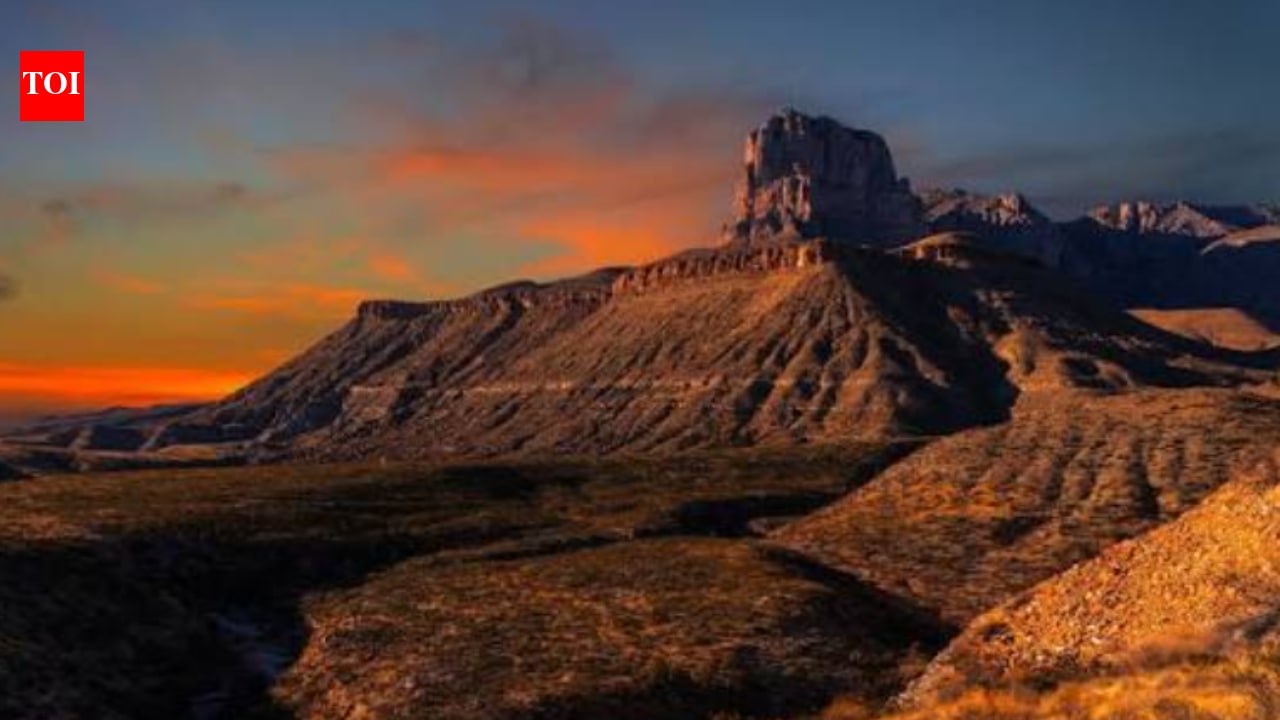
The establishment of Guadalupe Mountains National Park was shaped by two starkly different land-use stories: the conservation-minded donations of geologist Wallace Pratt and the defiant resistance of the Glover family. While Pratt's 1959 land gift provided the park's foundation, the Glovers secured a unique 1972 legal victory allowing them to remain on their property for life.
The Dual Origins of Guadalupe Mountains National Park
The creation of Guadalupe Mountains National Park is a study in contrasts, highlighting the tension between federal land acquisition and private property rights. While the park is widely celebrated for its ecological preservation, its history is deeply intertwined with the divergent paths taken by petroleum geologist Wallace Pratt and the local business-owning Glover family. These two narratives define the complex legacy of how this Texas landmark came to be.
The Vision of Wallace Pratt
In 1921, Wallace Pratt, a petroleum geologist working for the Humble Oil and Refining Company, encountered the pristine beauty of McKittrick Canyon. Captivated by its unique geology and desert oasis environment, Pratt acquired the land as a private retreat. His visionary approach to land stewardship culminated in 1959, when he began donating his acreage to the public. This significant act of conservation provided the essential core of what would eventually become the Guadalupe Mountains National Park in 1972, transforming private summer homes into protected educational resources.
The Resistance of the Glover Family
Conversely, the experience of the Glover family, who had occupied land near Pine Springs since 1913, illustrates the friction often caused by federal expansion. Upon learning of the park proposal in 1964, the Glovers—who operated a local store, gas station, and motel—fiercely opposed the displacement. Their resistance was so pronounced that they reportedly chased away park advocates, creating a diplomatic stalemate that lasted for years. Federal negotiators, including J. E. Williamson, struggled to reconcile the government’s desire for 80 acres with the family’s immovable stance.
A Unique Legal Precedent
The standoff reached a resolution in 1972, resulting in a rare legal outcome that favored the property owners. A court ruling granted the Glovers $55,000 for their land while simultaneously securing their right to reside on the property for the remainder of their lives. This compromise serves as a historical outlier, demonstrating that in the face of eminent domain and federal land acquisition, individual property rights could occasionally be protected through specific judicial intervention.
Broader Implications and Legacy
These events underscore the multifaceted history of American national parks, which are often portrayed as purely altruistic conservation efforts. In reality, the history of the Guadalupe Mountains shows that the landscape is a patchwork of corporate-led philanthropy and hard-fought individual resistance. By preserving both the architectural marvels of the Pratt era and acknowledging the history of the Glovers, the park service maintains a more comprehensive narrative of the region's human and geological heritage.
Conclusion
Today, the Guadalupe Mountains National Park stands as a testament to these competing interests. The preservation of the Pratt structures serves as an educational bridge to the past, while the story of the Glovers remains a poignant reminder of the human cost of conservation. Understanding these roots is essential for appreciating the complexity of public land management and the evolving relationship between the federal government and private citizens in the American West.
Multiple Citing Sources