Explained: How US Controls Iraq's Oil Revenues
Source Entity
NDTV News Search Records Found 1000
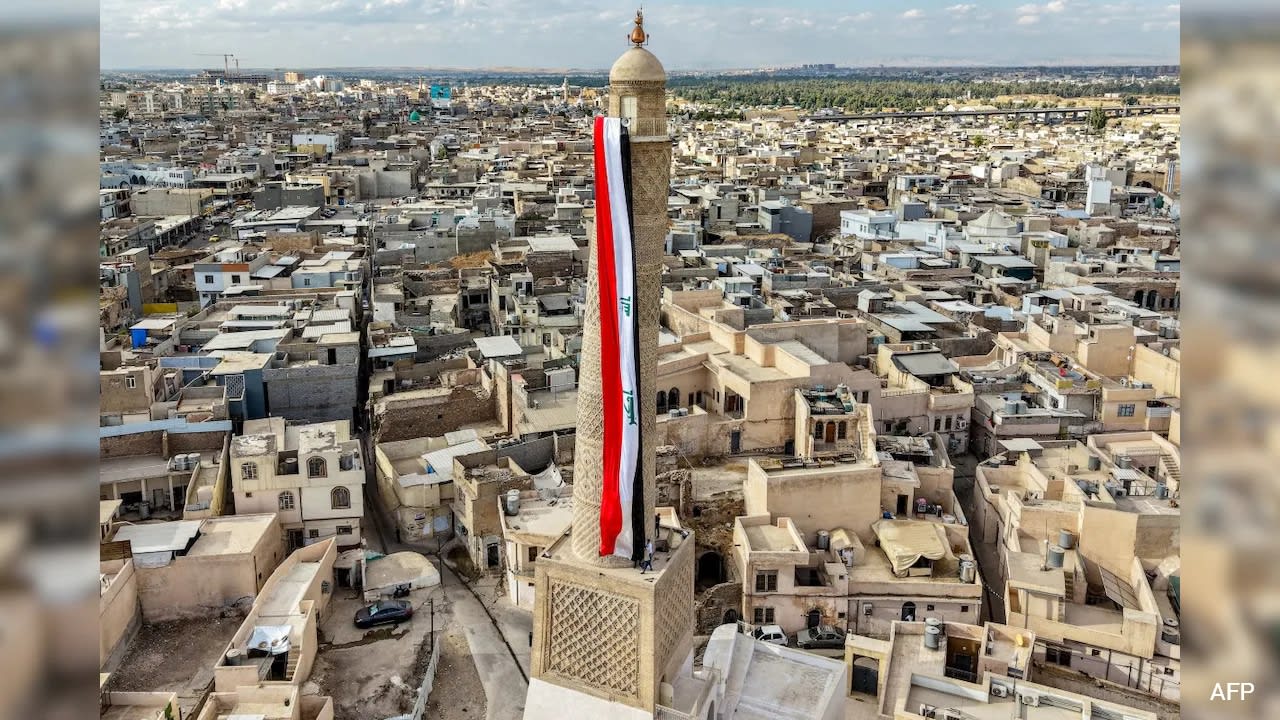
Iraqi oil revenues are currently held in the Federal Reserve Bank of New York. This unique financial arrangement stems from post-2003 institutional frameworks designed to manage the country's transition and economic stability.
The Mechanism of Iraqi Oil Revenue Custody
The revelation that Iraqi oil revenues remain under the custody of the Federal Reserve Bank of New York highlights a critical and often misunderstood aspect of modern international finance. This arrangement, which sees the proceeds from Iraq's primary export commodity deposited into an account at the New York Fed, is not a standard commercial banking practice but rather a structural legacy of the post-2003 reconstruction era. By funneling these revenues through the U.S. financial system, the arrangement was designed to ensure transparency, prevent the misappropriation of state funds, and provide a stable mechanism for the Iraqi government to manage its national budget.
Historical Context and Institutional Origins
Following the collapse of the Ba'athist regime, the international community faced the daunting task of rebuilding Iraqi state institutions while ensuring that critical resources were not lost to corruption or civil instability. The Development Fund for Iraq (DFI), established under UN Security Council Resolution 1483, served as the initial vehicle for this oversight. While the DFI was eventually dissolved, the practice of maintaining oil revenue accounts at the Federal Reserve persisted as a safeguard. This institutional framework reflects the unique geopolitical challenges Iraq has faced over the last two decades, serving as a pillar for fiscal oversight in a volatile region.
Economic Implications of Centralized Control
For Iraq, having its primary revenue stream managed by the Federal Reserve carries significant economic implications. On one hand, it provides a level of international credibility and security that allows the Iraqi government to engage in international trade and debt servicing with a degree of institutional confidence. On the other hand, it creates a unique dependency on the U.S. financial infrastructure. This centralization of funds allows for better tracking of capital flows, yet it also subjects Iraqi economic policy to the regulatory environment of the United States, effectively linking the nation's fiscal health to its relationship with American financial authorities.
Safeguarding Against Fiscal Volatility
Beyond mere administration, this custodial arrangement acts as a buffer against internal domestic pressures. By keeping oil revenues within the Federal Reserve, the system ensures that the funds are available for legitimate government expenditures, such as public sector salaries and infrastructure projects, while reducing the risk of illicit diversion. This mechanism is essential for maintaining the macroeconomic stability of a nation that is heavily reliant on a single commodity for its survival. The presence of these funds in New York signals to the global market that Iraq is committed to upholding international financial standards.
Future Trends and Sovereignty Debates
Looking ahead, the question of when and how Iraq might transition away from this custodial arrangement remains a subject of ongoing debate. As the Iraqi state continues to mature its own financial institutions and central banking capabilities, there is an inherent pressure to move toward greater fiscal sovereignty. However, any move to repatriate or decentralize these funds would require significant improvements in domestic transparency and anti-corruption measures. The future of this arrangement will likely be determined by the pace of Iraq's internal institutional reforms and the evolving nature of its diplomatic and economic ties with the United States.
Conclusion
The custody of Iraqi oil revenues by the Federal Reserve Bank of New York serves as a testament to the complexities of international state-building and financial oversight. While it provides a vital layer of security for the Iraqi economy, it also underscores the enduring influence of international institutional frameworks on sovereign nations. As Iraq navigates its path toward greater economic independence, the management of these revenues will remain a central point of focus for both regional stability and international financial integrity.
Verification Required?