Ex-governor's 6,000-acre 1930 buy grew to 201,000-acre park gift by 1962
Source Entity
TOI WORLD DESK
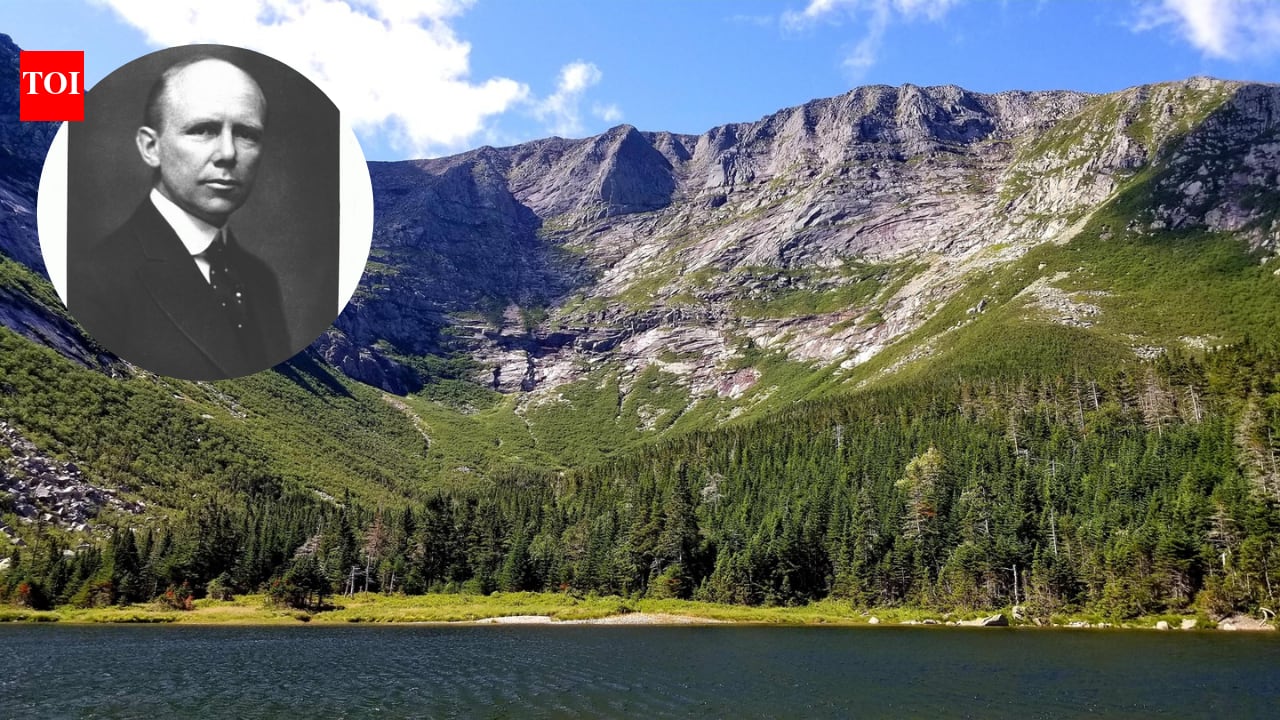
Former Maine Governor Percival P. Baxter transformed a 1930 land purchase into the massive 209,644-acre Baxter State Park. His private, decades-long campaign preserved Maine's wilderness through strict trust deeds and personal funding.
The Unprecedented Legacy of Percival P. Baxter
Percival P. Baxter, a former Governor of Maine, stands as a singular figure in the history of American conservation. His journey began in 1930, following a political failure to secure public funding for the protection of Mount Katahdin. Rather than abandoning his vision, Baxter pivoted to a private crusade, utilizing his personal wealth to acquire 5,960 acres of land. This act of individual initiative set the stage for what would become one of North America’s most significant state parks.
A Decades-Long Campaign of Preservation
Over the course of 32 years, Baxter systematically purchased and gifted land to the people of Maine. By 1962, his cumulative donations reached 201,018 acres. This was not merely an act of philanthropy but a calculated strategy to ensure the land remained untouched by industrial exploitation. By funding every acquisition himself, Baxter successfully bypassed the volatile nature of public political support, ensuring that the wilderness remained a protected sanctuary rather than a commodity for development.
Binding Trust Deeds as a Legal Shield
Central to the park's endurance are the binding trust deeds established by Baxter. These legal instruments were designed to protect the integrity of the wilderness against shifting political winds and industrial encroachment. By embedding specific mandates into the deeds, Baxter ensured that the park would be managed not for profit, but for the preservation of its natural state. This legal framework has served as a blueprint for conservationists, demonstrating how private wealth can be leveraged to create permanent public goods.
Balancing Managed Forestry and Wilderness
Baxter’s philosophy was nuanced, focusing on the tension between sustainable forestry and the absolute protection of wilderness. While he allowed for certain land management practices, his primary objective was to maintain the ecological health of the Mount Katahdin region. This dual approach allowed the park to function as both a natural laboratory and a recreational haven, ensuring that the land would survive the rapid industrial expansion that characterized much of the 20th century.
Expanding the Footprint
Since Baxter’s passing in 1969, the park has continued to grow, reaching its current size of 209,644 acres through strategic land trades and further acquisitions. The Baxter State Park Authority has diligently upheld the donor’s original intent, managing the expanded footprint with the same rigor that defined the early years of the project. Today, the park serves as a testament to the power of individual agency in securing environmental legacies for future generations.