Jaishankar highlights global conflicts at UN event - what's the ‘4F’ crisis
Source Entity
PRIYANKA JAISWAL
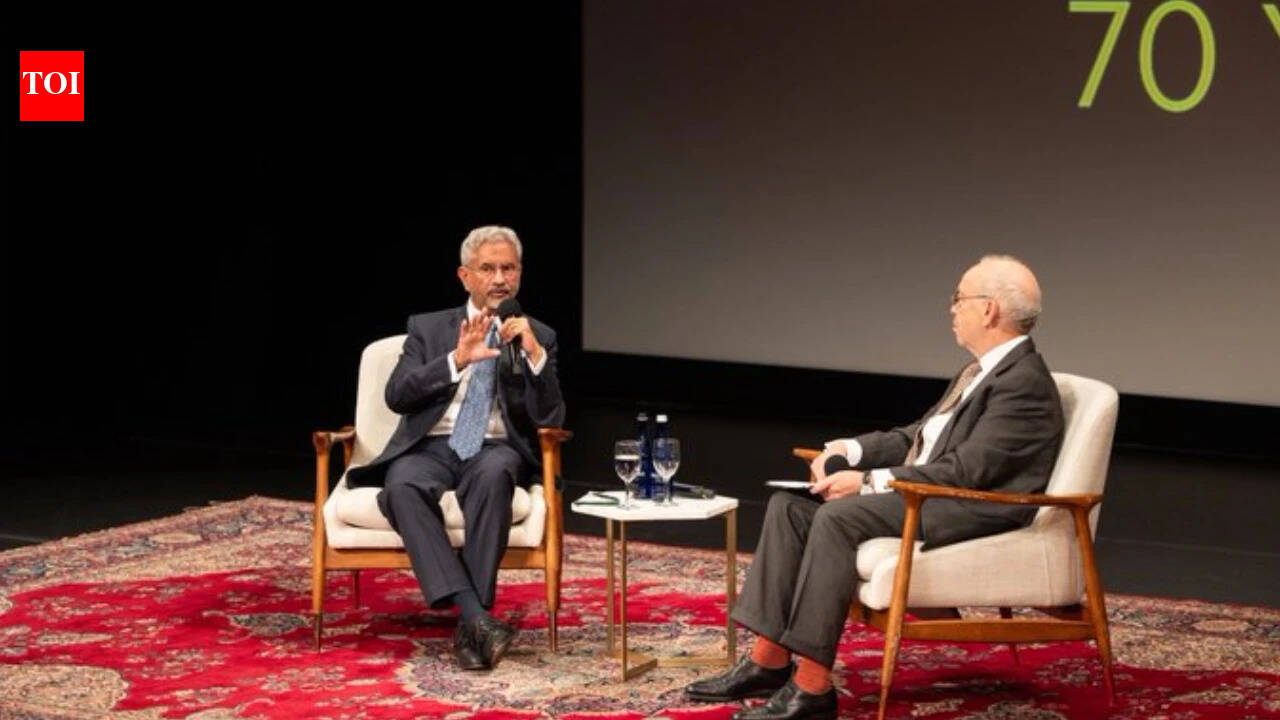
External Affairs Minister S. Jaishankar has warned of a looming '4F' crisis—food, fuel, fertilizer, and finance—driven by the Ukraine and Iran-Gulf conflicts. He emphasized the devastating economic burden these global disruptions place on nations across the Global South.
The '4F' Crisis: A Global Warning from New York
At the conclusion of the UN High-Level Week in New York, Indian External Affairs Minister S. Jaishankar delivered a sobering assessment of the current geopolitical climate. Addressing an audience at the Asia Society, Jaishankar identified a compounding set of systemic challenges that he termed the “4F” crisis: food, fuel, fertilizer, and finance. This framework serves as a critical diagnostic tool for understanding how localized regional conflicts in Ukraine and the Iran-Gulf region are triggering a domino effect on global stability.
The Anatomy of the 4F Crisis
The “4F” nomenclature highlights the interconnectedness of modern global logistics and economic health. According to Jaishankar, the ongoing wars in Ukraine and the Middle East are not merely regional disputes; they are structural shocks to the global supply chain. The disruption of grain shipments, coupled with the volatility of energy markets, has created a scenario where the price and availability of essential goods are under constant threat. This is further exacerbated by shortages in fertilizers, which are essential for agricultural productivity, thereby setting the stage for a potential food security crisis in the coming months.
Impact on the Global South
A central theme of Jaishankar’s address was the disproportionate burden placed on the Global South. While developed nations possess greater buffers to absorb economic shocks, emerging economies are currently facing a “very, very stressful” environment. The convergence of energy price hikes and financial constraints limits the ability of these nations to subsidize essential goods for their populations. The Minister’s observations suggest that the current international order is failing to insulate vulnerable regions from the fallout of conflicts in which they have no direct involvement.
Geopolitical Ripple Effects
The Ukraine conflict, traditionally viewed through a European lens, and the Iran-Gulf tensions are identified as the primary catalysts for these disruptions. By linking these conflicts to the “4F” crisis, Jaishankar is highlighting a shift in how policymakers must view security. Security is no longer just about territorial integrity; it is about the protection of trade routes, the stability of commodity markets, and the resilience of financial systems. The ripple effects, as noted by the Minister, are already resonating far beyond the immediate borders of the involved nations.
Future Trends and Policy Implications
Looking forward, the global community faces a period of heightened uncertainty. If the disruptions to grain shipments and the volatility in energy markets persist, the coming months could see a significant rise in food insecurity. This necessitates a more coordinated global response that prioritizes supply chain resilience and financial support for the Global South. Jaishankar’s remarks serve as a call to action for international policymakers to move beyond rhetoric and address the structural vulnerabilities that allow regional conflicts to spiral into global crises.
Conclusion
In summary, S. Jaishankar’s intervention at the Asia Society underscores the fragile state of global interconnectedness. By clearly defining the “4F” crisis, he has provided a roadmap for understanding the multifaceted pressures facing the world today. As these conflicts continue to evolve, the international community’s ability to manage the intersection of food, fuel, fertilizer, and finance will be the ultimate test of global governance and cooperation in the 21st century.