Floods damage crops of 71,796 farmers and 2,405 km of roads in Andhra Pradesh; Godavari rises again
Source Entity
India Latest News: Top National Headlines Today & Breaking News | The Hindu
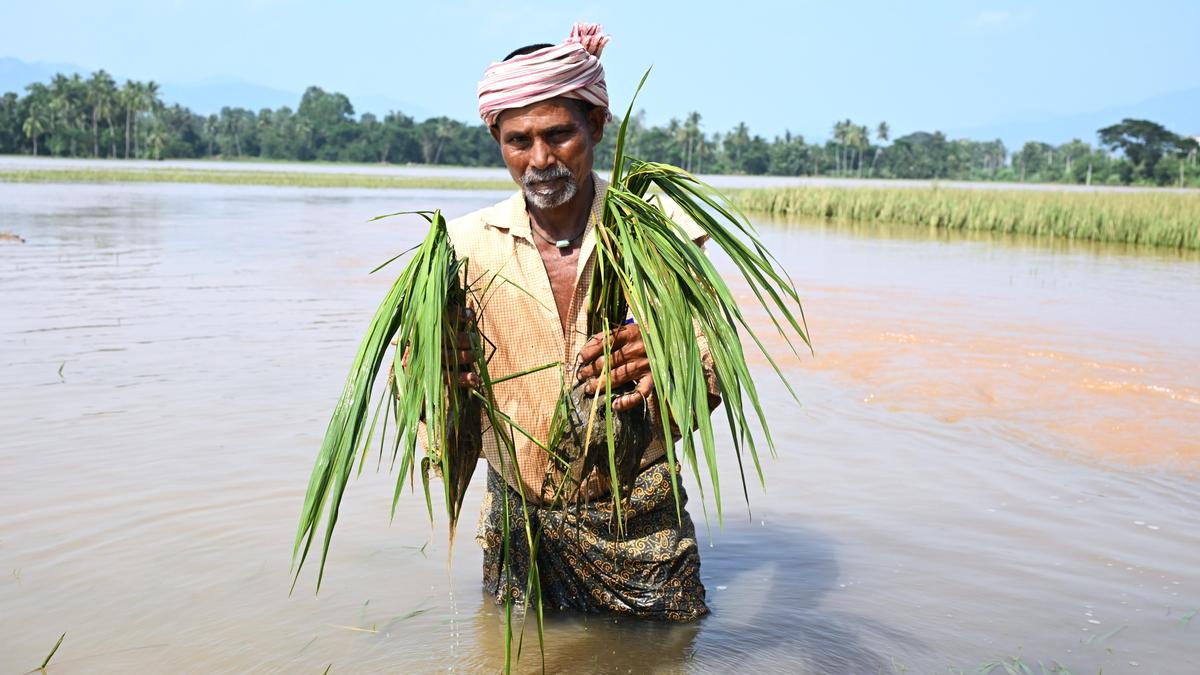
Andhra Pradesh faces severe agricultural and infrastructural damage following back-to-back floods caused by a deep depression in the Bay of Bengal. Over 71,000 farmers have been impacted, with significant crop losses reported across multiple districts.
Andhra Pradesh Grapples with Devastating Floods
The state of Andhra Pradesh is currently navigating a severe crisis as back-to-back flood events, fueled by a deep depression over the Bay of Bengal, have devastated local infrastructure and the agricultural sector. Within a span of just six days, the Godavari Delta and Valley have been forced to prepare for a secondary flood surge, as the Sir Arthur Cotton Barrage at Dowleswaram continues to manage massive inflows exceeding 9.7 lakh cusecs. This rapid succession of extreme weather events has overwhelmed existing drainage systems and left vast swathes of farmland submerged.
Agricultural Impact and Farmer Livelihoods
The human cost of these floods is substantial. Preliminary data from the Agriculture Department indicates that 71,796 farmers have suffered direct losses, with damage spanning 1,229 villages across 190 mandals. The destruction covers approximately 44,029 hectares of agricultural crops and 1,734 hectares of horticultural crops. In Srikakulam district alone, 13,000 acres of crops have been impacted, where standing paddy fields have begun to blacken due to prolonged waterlogging and sulfide buildup in the root systems, threatening future yields.
Infrastructure and Logistical Challenges
Beyond the fields, the state’s physical connectivity has been severely compromised. Reports indicate that 2,405 km of roads have been damaged, hindering the ability of authorities to reach affected villages for timely aid distribution and damage assessment. The government’s response has been multi-pronged, with officials conducting ground inspections in areas such as Burja and Amadalavalasa, while simultaneously planning for post-flood recovery measures, including the use of drones to spray nutrients on surviving crops once the water recedes.
The Role of Climate and Geography
This crisis highlights the inherent vulnerability of the Godavari basin to extreme weather patterns. The recurring nature of these floods suggests a deepening challenge for state disaster management authorities. The rapid saturation of the soil and the inability of the landscape to drain between these two back-to-back depressions have exacerbated the damage, turning manageable water levels into catastrophic inundation for the farming community.
Future Outlook and Recovery Efforts
As the Agriculture Department works to finalize loss assessments over the coming days, the focus will shift from damage containment to long-term rehabilitation. The survival of some crops remains a point of potential recovery, provided that floodwaters recede quickly enough to allow for restorative nutrient application. However, the sheer scale of the damage to both roads and crops necessitates a robust government response to stabilize the rural economy and ensure food security for the affected regions.
Conclusion
The dual-flood event in Andhra Pradesh serves as a stark reminder of the volatility of climate-induced disasters. With thousands of farmers facing potential yield losses and significant road infrastructure requiring repair, the state faces a long road to recovery. The immediate priority remains the accurate assessment of damages and the deployment of agricultural interventions to salvage what remains of the current harvest.
Verification Required?