Netanyahu, UAE President Meet In Abu Dhabi, Discuss Bilateral Ties
Source Entity
NDTV News Search Records Found 1000
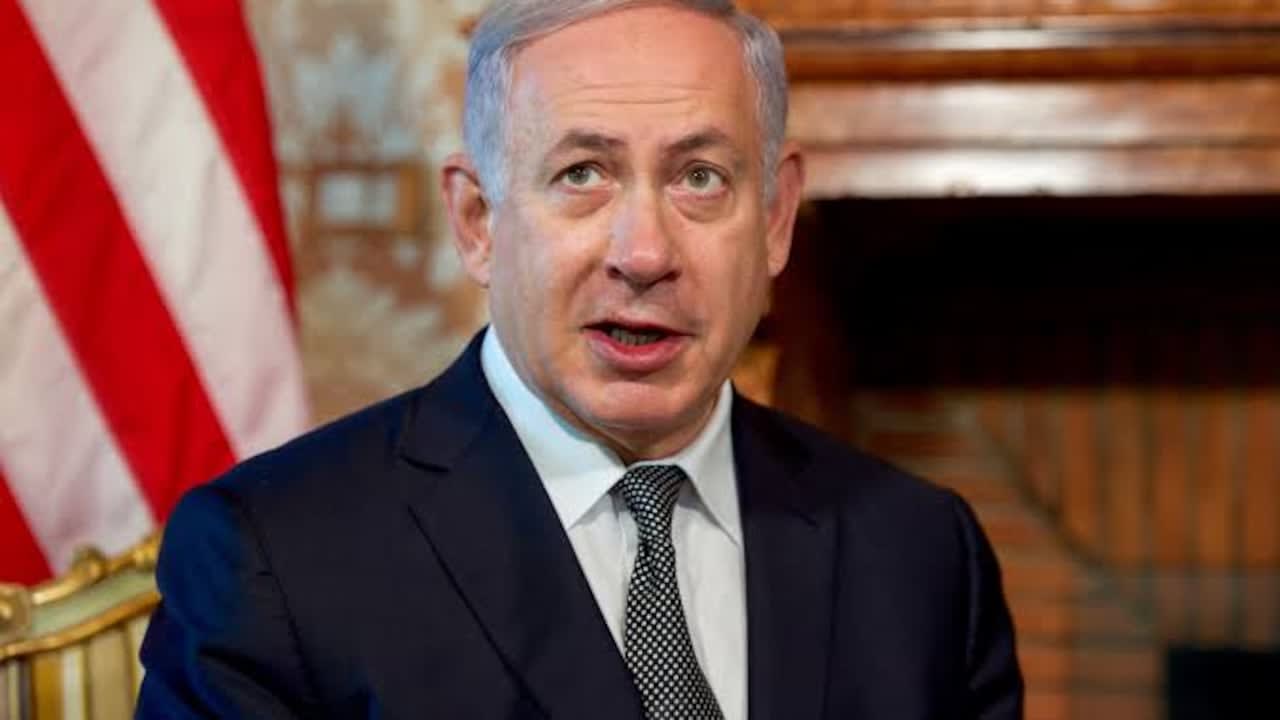
Israeli Prime Minister Benjamin Netanyahu held a significant six-hour meeting with UAE President Sheikh Mohamed bin Zayed Al Nahyan in Abu Dhabi. The talks focused on strengthening bilateral ties and addressing regional security challenges, specifically concerning Iran.
Diplomatic Milestone: Netanyahu’s Strategic Visit to the UAE
Official Confirmation of a High-Level Summit
The recent confirmation by Abu Dhabi regarding Israeli Prime Minister Benjamin Netanyahu’s visit to the United Arab Emirates marks a significant milestone in the evolving geopolitical landscape of the Middle East. After initial reports surfaced, the UAE’s state news agency, WAM, officially acknowledged the meeting between Netanyahu and UAE President Sheikh Mohamed bin Zayed Al Nahyan. This high-level engagement, which reportedly lasted six hours, underscores the deepening institutionalization of the relationship between the two nations following the normalization agreements.
Strengthening Bilateral Ties
At the core of the discussions was the objective of bolstering bilateral relations. Since the establishment of formal diplomatic ties, both nations have sought to transition from initial political breakthroughs to tangible cooperation in trade, technology, and regional stability. By hosting the Israeli Prime Minister, President Sheikh Mohamed bin Zayed Al Nahyan signals a continued commitment to this partnership, viewing the alliance as a cornerstone for long-term economic and diplomatic prosperity in the Gulf region.
The Shadow of Regional Security: Iran
While official statements emphasized bilateral cooperation, senior Israeli officials have confirmed that the discussions were heavily influenced by regional security concerns, specifically regarding Iran. The UAE and Israel share a mutual perspective on the potential threats posed by Iranian regional policies, making this dialogue a critical venue for intelligence sharing and strategic alignment. The six-hour duration of the talks suggests a deep dive into security cooperation and the coordination of regional defense postures.
Regional Implications and Strategic Shifts
This visit serves as a powerful indicator of the shifting alliances in the Middle East. By openly acknowledging the visit, the UAE is demonstrating a degree of confidence in its foreign policy trajectory, moving past the secrecy that often characterized early contacts. For Israel, the ability to conduct high-level diplomacy in an Arab capital highlights the success of the Abraham Accords and the broadening of its diplomatic footprint, which is increasingly viewed as a necessity for countering regional instability.
Future Trends in Gulf-Israel Relations
Looking ahead, this meeting sets a precedent for future direct engagements between the Israeli leadership and the UAE. As both countries navigate complex regional challenges, regular high-level consultations are likely to become more frequent. The focus will likely remain on integrating security interests with economic development, potentially paving the way for further regional cooperation that could include other partners who share similar strategic anxieties regarding Iranian influence. This visit is not merely a diplomatic courtesy; it is a calculated step in an ongoing, long-term strategic realignment.
Multiple Citing Sources
Verification Required?