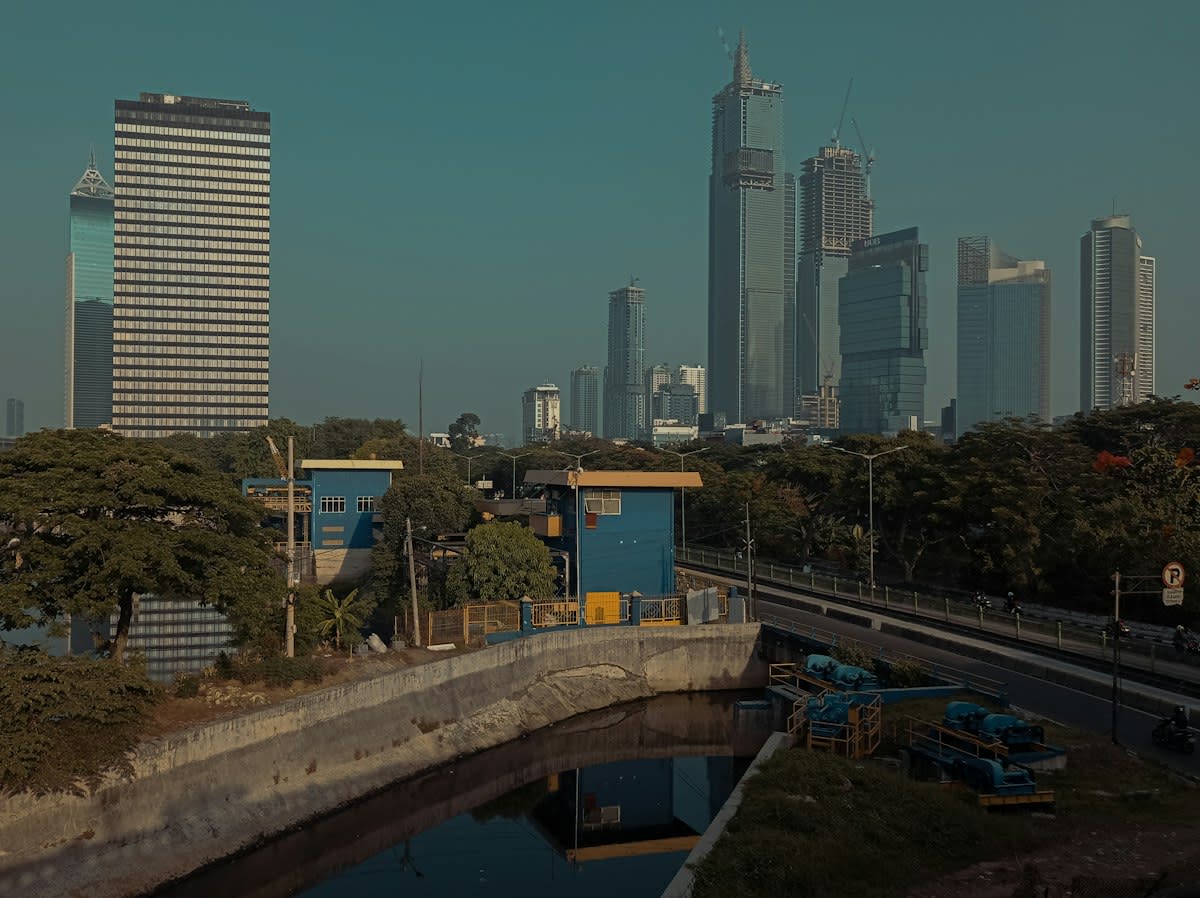
Groundwater theft ruins cities. 80% of urban wells operate illegally. Predatory networks control the access to subterranean aquifers, selling survival to the highest bidder. These cartels operate in the shadows of municipal failure, turning a public resource into a private goldmine. Residents in high-density zones often find themselves trapped between state negligence and mafia pricing.
Mumbai serves as a primary example of this resource capture. Illegal drillers cooperate with tanker syndicates to deplete local water tables, forcing residents to rely on expensive water trucks. Data indicates a 40% drop in water tables across various municipal wards (Source: MCGM, 2021). This depletion creates a cycle of dependency where the mafia drills a well, exhausts the aquifer, and then sells the remaining water at a premium.
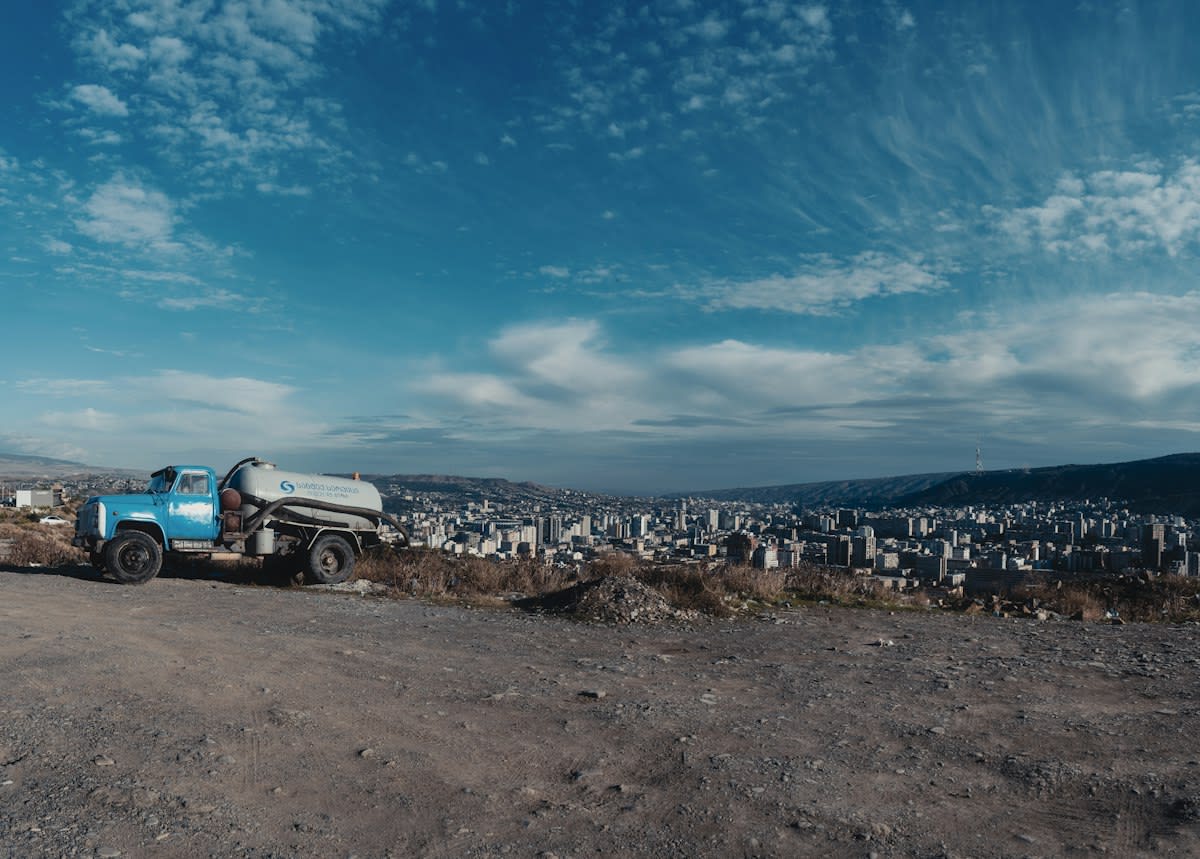
Jakarta faces an even more dire existential threat due to unmonitored extraction. Deep wells drilled by commercial interests have led to severe land subsidence, causing parts of the city to sink by 10-20cm per year (Source: NASA, 2020). The ground becomes silica-dry, unable to retain surface moisture, which exacerbates seasonal flooding. When the land sinks, the mafia simply drills deeper, ignoring the structural integrity of the city for short-term profit.
"The unregulated extraction of groundwater is not just a legal failure but a geological disaster. We are effectively hollowing out the foundations of our metropolitan centers for the benefit of a few unregulated brokers."— Dr. Aris Munandar, Urban Hydrology Specialist
Nairobi displays a similar pattern of regulatory evasion. Approximately 60% of boreholes in the city are estimated to be unlicensed or improperly registered (Source: WASREB, 2022). This lack of oversight allows the borewell mafia to ignore environmental impact assessments, leading to the contamination of shallow aquifers with sewage and industrial runoff. The result is a sulfur-thick stench emanating from new wells that provides toxic water to unsuspecting households.
Prerequisites for Legal Water Access
- Valid Land Ownership Documentation: Required to prove the right to extract from the property.
- Hydrogeological Survey: A professional map showing aquifer depth and salinity.
- Environmental Impact Assessment (EIA): Certification that drilling will not cause local subsidence.
- Municipal Drilling Permit: Official authorization from the city water board.
- Water Quality Analysis: A laboratory report ensuring the water is potable.
Securing these documents is the only way to avoid the grip of the mafia. Without a legal permit, any well becomes a liability that the mafia can use as leverage for extortion. They often offer to handle the paperwork for a fee, but this is usually a ruse to keep the owner in a state of legal vulnerability. Following the legal route ensures that the water source is sustainable and safe.
- Identify a licensed hydrogeologist to conduct a site survey to avoid dry holes.
- Submit a formal application to the municipal water authority for a drilling permit.
- Procure equipment from verified vendors to ensure the casing prevents groundwater contamination.
- Monitor the extraction rate to stay within the permitted daily limit of the aquifer.
- Install a water meter to track usage and detect illegal siphoning by neighbors.
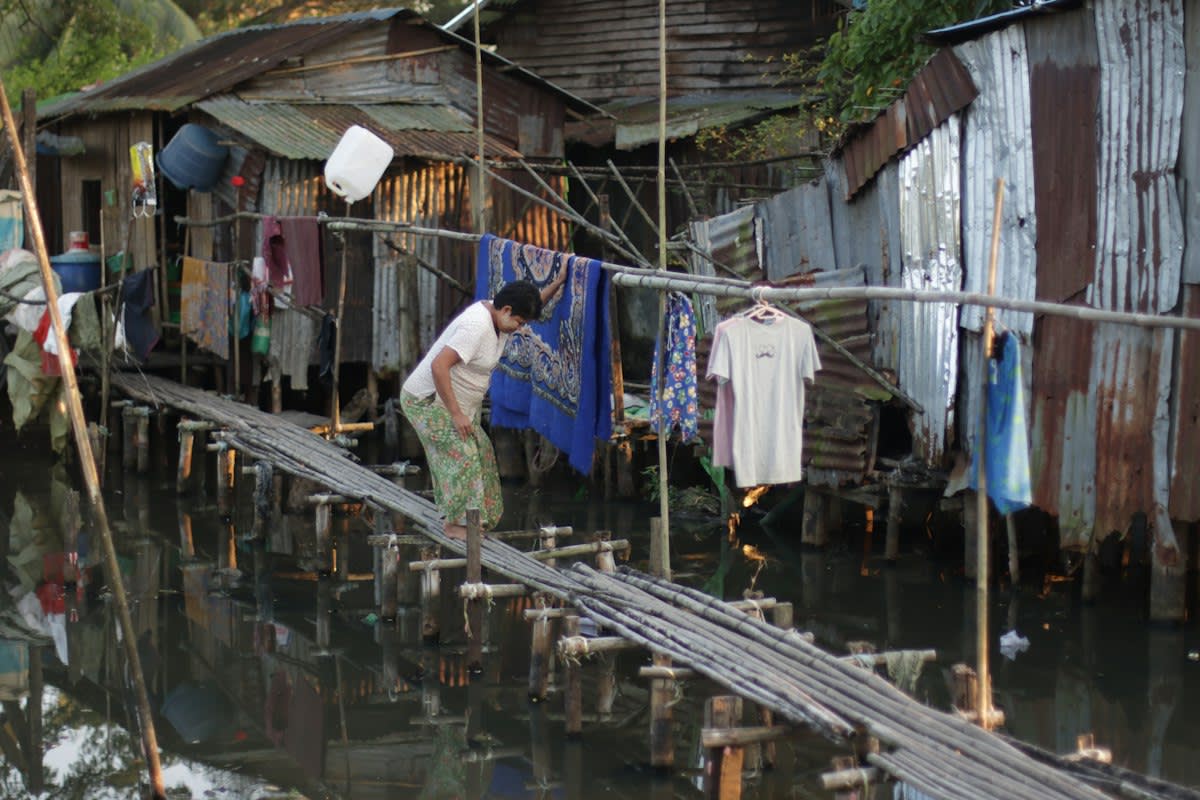
Negotiating with a driller in Mumbai feels like a gamble. You stand on bitumen-black roads, smelling copper-scented pipes and diesel. The driller asks for cash upfront, promising a vein of water that might not exist. Friction arises when the neighbor's well goes dry, leading to shouts and threats in the narrow lanes. This ground-level reality is far removed from the sterile policies of city hall, where bribes often grease the wheels of illegal permits.
| City | Illegal Well Rate | Primary Impact | Data Source |
|---|---|---|---|
| Jakarta | High | 10-20cm Sinkage/Year | NASA, 2020 |
| Mumbai | Medium-High | 40% Table Drop | MCGM, 2021 |
| Nairobi | 60% | Aquifer Contamination | WASREB, 2022 |
The economic weight of this illegal trade is staggering. In many cities, the mafia controls the water price, which can be 500% higher than the municipal rate (Source: World Bank, 2019). This creates an invisible tax on the poor, diverting household income away from education and health toward basic survival. The market operates on fear and scarcity, ensuring that the supply remains just low enough to keep prices inflated.
Failure Points in Water Governance
Governance fails at the permit-to-pay loop. Local inspectors are often on the mafia payroll, ignoring the noise of illegal drilling at midnight. When a well is reported, the inspector accepts a bribe to mark it as legal or simply forgets to file the report. This corruption ensures that the legal prerequisites mentioned earlier are treated as suggestions rather than mandates.
Common Pitfalls
- Paying for 'fast-track' permits through unofficial brokers.
- Ignoring the salt-water intrusion warnings in coastal cities like Jakarta.
- Using non-sealed casings that allow surface pollutants to leak into the aquifer.
- Relying on a single source without a rainwater harvesting backup.
Editorial Note
This guide is intended for educational purposes and does not substitute for legal counsel in your specific municipality. Always verify local laws before drilling.
Fact-Check & Accuracy Note
All statistics regarding land subsidence in Jakarta and water table drops in Mumbai are derived from the cited agencies (NASA, MCGM). Accuracy is based on reports from 2020-2022.