Tyeb Mehta's 'Rickshaw Puller' fetches record 69 crore
Source Entity
NEELAM RAAJ
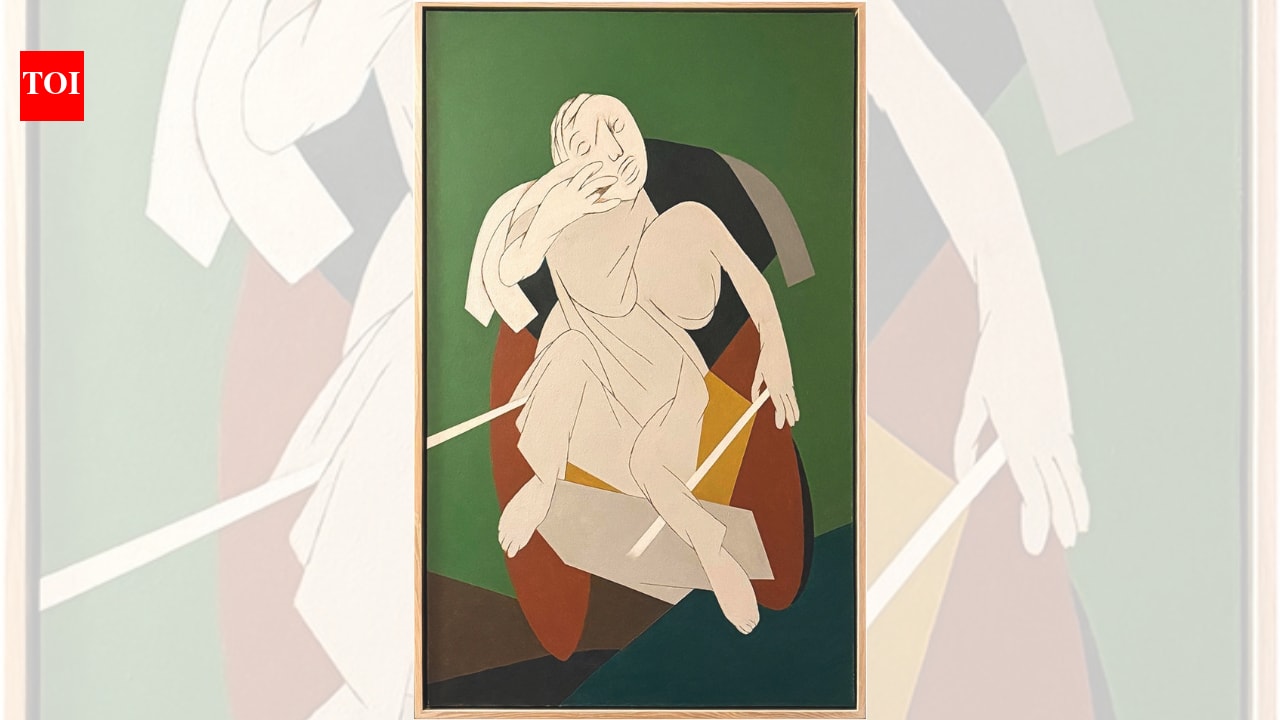
Tyeb Mehta's 2002 painting 'Rickshaw Puller' sold for a record ₹69.1 crore at the Volte Una auction. This sale highlights the growing global valuation of Indian modern art, following recent record-breaking trends in the sector.
A Landmark Achievement in Indian Modern Art
The recent sale of Tyeb Mehta’s 2002 masterpiece, Rickshaw Puller, for ₹69.1 crore marks a significant milestone in the trajectory of the Indian art market. Sold at the inaugural auction of Volte Una on October 13, 2026, the transaction underscores the enduring appeal of Mehta's work. As the fourth-most expensive artwork ever sold at auction in rupee terms, this sale reaffirms the artist's stature as a titan of Indian modernism and reflects the increasing sophistication of the domestic art economy.
The Evolution of Mehta's Market
To understand the magnitude of this sale, one must look at the historical context of Mehta’s market performance. In 2002, his triptych Celebration became the first Indian painting to surpass the crore mark, a moment that fundamentally shifted the perception of contemporary Indian art among global collectors. This latest achievement for Rickshaw Puller—an acrylic on canvas from the final decade of his career—demonstrates that the momentum initiated over two decades ago has not only sustained itself but has reached new financial heights.
The Significance of the Subject Matter
The Rickshaw Puller motif represents a poignant period in Mehta's creative evolution. Having lived in a cramped, one-room apartment in Bombay that functioned as both a studio and a bedroom, Mehta was intimately familiar with the struggles of the urban laborer. This figure, recurring in his later work, is not merely a subject but a reflection of the human condition he observed during his formative years. The high valuation of this specific piece suggests that collectors are increasingly drawn to works that capture both the technical brilliance and the profound social empathy that defined Mehta’s artistic philosophy.
Market Dynamics and the Volte Una Model
The sale was facilitated by Volte Una, a single-lot auction platform that represents a new business model in the art world. By focusing on private, discreet settings for high-value transactions, the platform aims to connect significant works with the most serious global collectors. Tushar Jiwarajka, founder of Volte Una, noted that this specialized approach was designed to honor the legacy of the artist while catering to the specific demands of high-net-worth individuals and institutional investors.
Broader Implications for Indian Art
This record-breaking sale occurs within a broader context of rising valuations for Indian masters. With recent records such as Raja Ravi Varma’s Yashoda and Krishna fetching ₹167.2 crore, it is evident that Indian art is experiencing a sustained bull market. This trend is likely to continue as global investors diversify their portfolios into emerging market art, viewing these pieces not just as cultural heritage, but as robust alternative assets with significant long-term appreciation potential.
Future Trends and Conclusion
As we look forward, the success of the Rickshaw Puller auction signals a shift in how Indian art is traded and valued globally. The move toward specialized, high-end auction formats suggests that the appetite for top-tier Indian modernism is outstripping supply. For the market to maintain this growth, continued transparency and the professionalization of the auction process will be essential. Ultimately, the ₹69.1 crore sale is a testament to Tyeb Mehta’s enduring legacy and the vibrant, evolving state of the Indian art market.