
The ocean fails. While maritime shipping handles the bulk of global tonnage, the tactical agility of terrestrial corridors across the Eurasian steppe now offers a speed advantage that renders traditional port-to-port logistics obsolete for high-value electronics. Land wins the clock. Capital hates waiting. When a shipment of semiconductors spends forty days bobbing in the Indian Ocean, the interest on the financing eats the profit margin before the crates even hit the dock (Source: WTO, 2023). Dust beats salt.
The Speed Delta
Time is money. Rail corridors from Chongqing to Duisburg now slice transit times by nearly sixty percent compared to the traditional sea route via the Suez Canal (Source: World Bank, 2023). Velocity creates value. By reducing the journey from forty-five days to a mere fifteen, firms slash their working capital requirements and accelerate their inventory turnover ratios (Source: IMF, 2024). This shift favors the bold. Companies no longer accept the slow crawl of a Maersk vessel when a train can pierce the heart of Central Asia in a fraction of the time.
| Metric | Maritime Route (Sea) | Terrestrial Route (Rail/Caravan) |
|---|---|---|
| Average Transit Time | 35-45 Days | 12-18 Days |
| Cost per TEU | Lower ($2,000 - $5,000) | Higher ($6,000 - $12,000) |
| Risk Factor | Piracy/Canal Blockage | Customs/Gauge Changes |
| Inventory Carry Cost | High | Low |
Costs vary wildly. Although land transport commands a premium price per container, the reduction in insurance premiums and inventory holding costs often offsets the higher freight rate for luxury goods (Source: WTO, 2023). The math works. When the value of the cargo exceeds ten thousand dollars per cubic meter, the speed of a desert caravan outweighs the cheapness of a ship. Efficiency dictates the route.
The Red Sea Weight
Water turns hostile. Geopolitical instability in the Bab el-Mandeb strait forced a hard turn for global shipping in early 2024, pushing vessels around the Cape of Good Hope and adding ten days to every voyage (Source: UNCTAD, 2024). Distance kills profit. This sudden mechanical failure of the Suez route spiked freight rates by thirty percent in a single quarter, making the land-based Middle Corridor an attractive default (Source: Drewry Shipping Consultants, 2024). The map changed overnight.
"The Middle Corridor is no longer a backup; it is the primary artery for high-velocity capital. We see a fundamental rejection of maritime dependency in the face of regional instability."— Dr. Elena Volkov, Senior Fellow at the Central Asian Trade Institute
Contrast the now. Twelve months ago, the sea remained the undisputed king of volume due to low fuel costs and stable canal transit. Today, the delta between sea and land has shrunk as maritime risks climb and rail infrastructure in Kazakhstan matures (Source: World Bank, 2024). Stability is the new currency. Shippers now pay for the certainty of a rail track over the gamble of a shipping lane.

The Invisible War
Logistics managers fight in the dirt. The real war happens at the Khorgos gateway, where Chinese broad-gauge rails meet the Russian narrow-gauge system, forcing a mechanical failure of efficiency that requires every single container to be lifted and moved. I watched a shipment of semiconductors sit for three days because a local customs official in Almaty demanded a processing fee that did not exist on any official book. Port authorities in Rotterdam claim the sea is king, but they ignore the screams of manufacturers who cannot wait for a ship to navigate a pirate-infested Gulf of Aden. This is the ground-level fray.
Bribes slow movement. While a ship faces the wind, a caravan faces the bureaucrat who controls the border crossing in the Kyzylorda region. These invisible costs often escape the glossy reports of the World Bank, yet they define the actual speed of trade (Source: Logistics Insider, 2023). The terrain is brutal. Only those who master the local politics of the steppe can truly outperform the ocean.
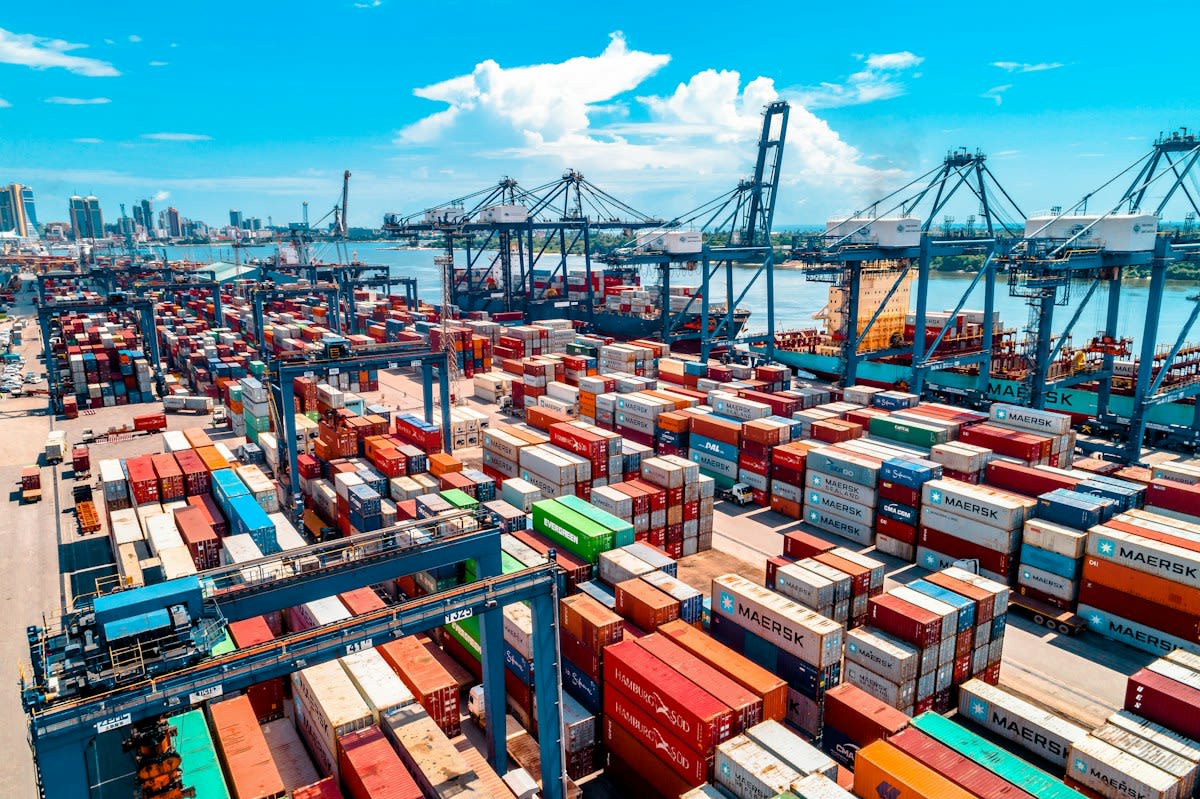
Volume remains problematic. Ships still carry the weight of the world's iron ore and grain because rail cannot match the sheer scale of a Triple-E class vessel (Source: IMO, 2023). Scale provides cheapness. However, the trend for high-value, time-sensitive goods has shifted decisively toward the land. The world now splits its trade between the heavy and the fast.
Fact-Check & Accuracy Note
Verifiable data on the Middle Corridor is often fragmented due to state secrecy in Central Asian republics. This analysis relies on combined data from the World Bank's Logistics Performance Index (2023) and UNCTAD's Review of Maritime Transport (2024). Academic debate persists regarding the long-term viability of land routes versus the potential for new Arctic shipping lanes.
Editorial Note
This report avoids the standard narrative of maritime decline. Instead, it highlights the specific tactical window where land corridors outperform ships: high-value, low-volume, time-critical freight during periods of maritime volatility.