Don't be a Baahubali: SC to Bihar judge over criminal case against SP
Source Entity
DHANANJAY MAHAPATRA
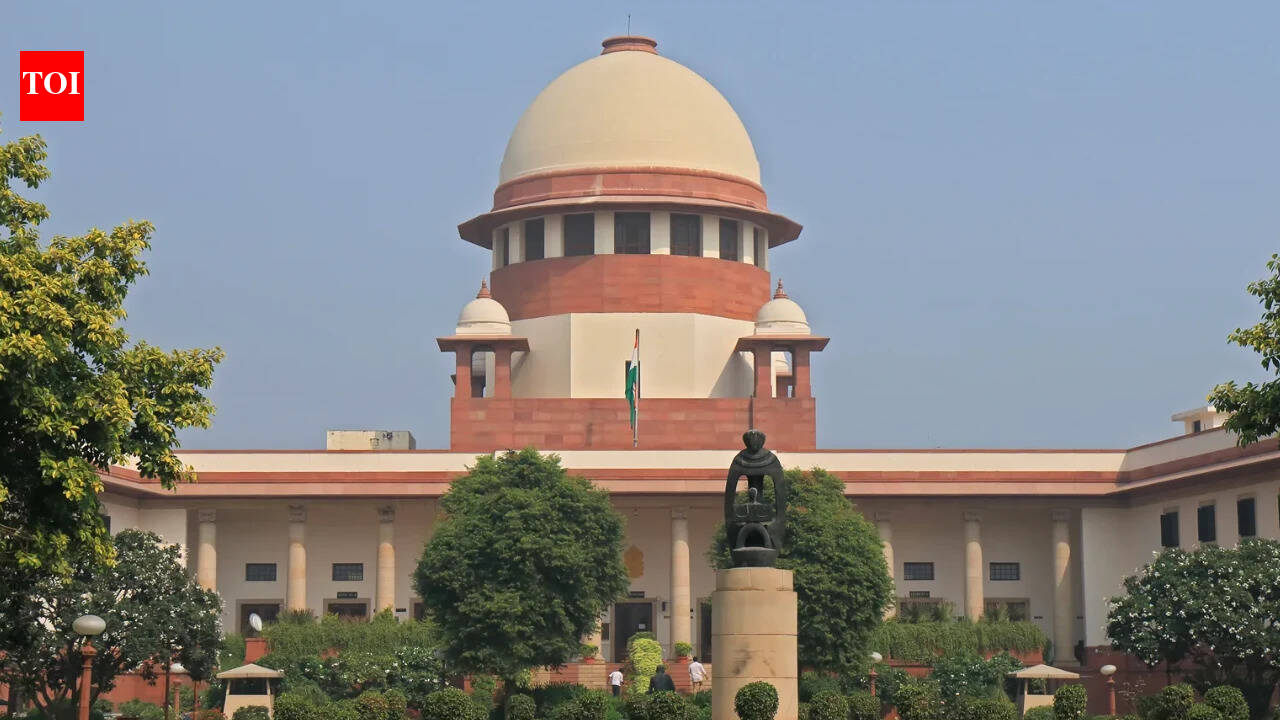
The Supreme Court of India has reprimanded a Bihar judge for overstepping jurisdiction in a criminal case involving a Superintendent of Police. The court emphasized that judicial officers must strictly adhere to the legal boundaries of their authority.
Judicial Overreach: The Supreme Court's Warning to Bihar Judiciary
The Incident and Judicial Conduct
The Supreme Court of India recently took a stern stance regarding the conduct of a trial court judge in Bihar. The matter arose from a criminal case involving a Superintendent of Police (SP), where the presiding judge appeared to exceed the established legal boundaries of their jurisdiction. By invoking the cultural reference of a 'Baahubali'—a term synonymous with strongmen or those who wield excessive, often unchecked power—the Supreme Court underscored the necessity for judicial restraint and professional decorum within the lower courts.
The Importance of Jurisdictional Boundaries
At the heart of this reprimand is the fundamental principle of jurisdiction. In the Indian legal system, every judicial officer operates within defined statutory contours. When a judge deviates from these boundaries, it not only compromises the integrity of the specific trial but also undermines public confidence in the rule of law. The Supreme Court’s intervention serves as a reminder that the judiciary exists to uphold the law, not to act as an unbridled authority unto itself.
Accountability and the Rule of Law
The reference to a 'Baahubali' is particularly significant in the context of Bihar’s historical and political landscape, where the term is often used to describe individuals who operate above the law. By applying this label to a judicial officer, the Supreme Court is highlighting the irony of a judge behaving with the same lack of accountability that the legal system is tasked with curbing. This suggests a systemic concern regarding the potential for judicial overreach when personal biases or external pressures influence court proceedings.
Implications for the Lower Judiciary
This incident highlights a broader trend where the Supreme Court is increasingly scrutinizing the conduct of subordinate judicial officers. By emphasizing that judges must know the 'contours of their jurisdiction,' the apex court is reinforcing the need for continuous training and adherence to procedural propriety. Lower courts are the first point of contact for citizens seeking justice, and any deviation from established norms at this level can have cascading effects on the accessibility and fairness of the entire judicial system.
Future Trends and Judicial Reform
Moving forward, this reprimand is likely to trigger a more rigorous internal audit of judicial conduct in Bihar and potentially across other states. The Supreme Court’s focus on this case suggests a proactive approach to curbing judicial activism that veers into illegality. As the judiciary continues to modernize, the focus will likely remain on ensuring that judicial discretion is exercised with humility, legal precision, and an unwavering commitment to the constitutional framework.
Conclusion
The Supreme Court's firm directive to the Bihar judge serves as a critical check against the abuse of judicial power. By demanding that judges operate strictly within their jurisdictional mandates, the Court is protecting the sanctity of the legal process. It serves as a stark reminder that in the eyes of the law, no official—regardless of their position—is above the procedural constraints that define a democratic society.