Supreme Court 'inclined' to stay Calcutta HC order deferring Kolkata civic polls till decision on ward delimitation
Source Entity
India Latest News: Top National Headlines Today & Breaking News | The Hindu
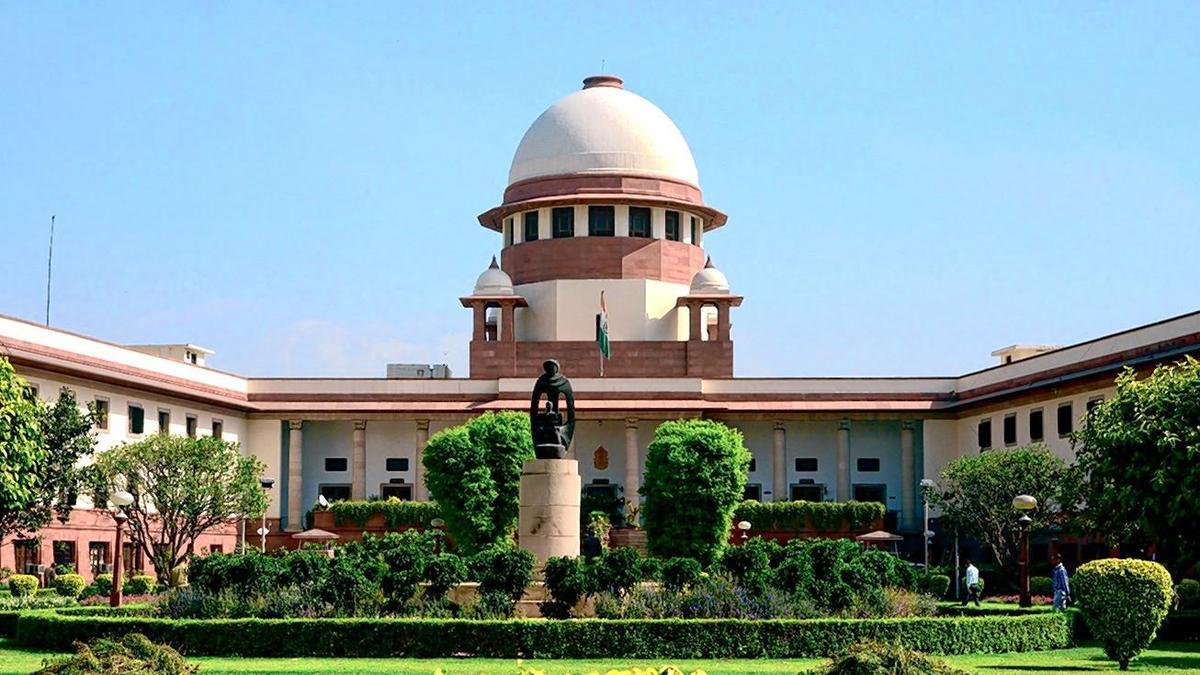
The Supreme Court is leaning toward staying a Calcutta High Court order that deferred Kolkata Municipal Corporation elections pending ward delimitation. The court emphasized that elections should not be unreasonably delayed while authorities review a plan to increase wards from 144 to 209.
Supreme Court Intervention in Kolkata Municipal Polls
On November 25, 2026, the Supreme Court of India signaled a significant shift in the legal impasse surrounding the Kolkata Municipal Corporation (KMC) elections. A Bench led by Chief Justice Surya Kant, alongside Justices Joymalya Bagchi and V. Mohana, expressed a strong inclination to stay a Calcutta High Court order that had previously deferred the civic polls. The High Court had initially restrained the West Bengal State Election Commission from issuing an election notification until a single bench could dispose of pending litigation related to ward delimitation.
The Core Conflict: Delimitation vs. Democratic Process
The central tension in this case revolves around the balance between administrative restructuring and the constitutional mandate for timely elections. The KMC has been engaged in a massive exercise to revise municipal ward boundaries, a process that proposes an increase in the number of wards from the current 144 to 209. While such administrative changes are common in growing urban centers, the legal challenge arose from the delay this process imposed on the democratic cycle.
Judicial Stance on Election Delays
The Supreme Court’s observation that elections should not be postponed "unreasonably" reflects a long-standing judicial precedent in India. The judiciary has consistently maintained that the democratic process is the bedrock of local governance and that administrative or technical delays, such as delimitation, should not be used as a shield to indefinitely delay the electorate’s right to choose their representatives. By asking Solicitor General Tushar Mehta to seek instructions by November 30, the apex court has placed the onus on the state authorities to justify the necessity of the current delay.
Implications of the Proposed Expansion
The proposal to expand the KMC from 144 to 209 wards is a significant structural shift. Such an expansion typically aims to better represent the growing population density of Kolkata, ensuring that municipal services are more granularly managed. However, the timing of such an expansion is critical; when it coincides with election cycles, it often becomes a flashpoint for political contention, as redrawing boundaries can fundamentally alter the demographic composition of electoral districts.
The Path Forward
As the Supreme Court awaits further instructions from the Solicitor General, the situation highlights the complexity of urban governance in India. The outcome of this case will not only determine the immediate timeline for the Kolkata civic polls but will also set a standard for how other municipal bodies across the country manage the intersection of administrative reform and electoral obligations. The court's firm stance suggests a preference for minimizing administrative interference in the established electoral calendar.
Conclusion
The ongoing legal battle underscores the necessity of clear, time-bound procedures for municipal delimitation. While the expansion of the KMC to 209 wards may be intended to improve governance, the Supreme Court's intervention serves as a necessary check against the potential for indefinite election deferrals. The upcoming response from the government will be pivotal in resolving this dispute and ensuring that the democratic process in Kolkata proceeds without further constitutional friction.
Verification Required?