645 liquor bottles seized from local BJP leader’s house in dry Gujarat
Source Entity
The Indian Express
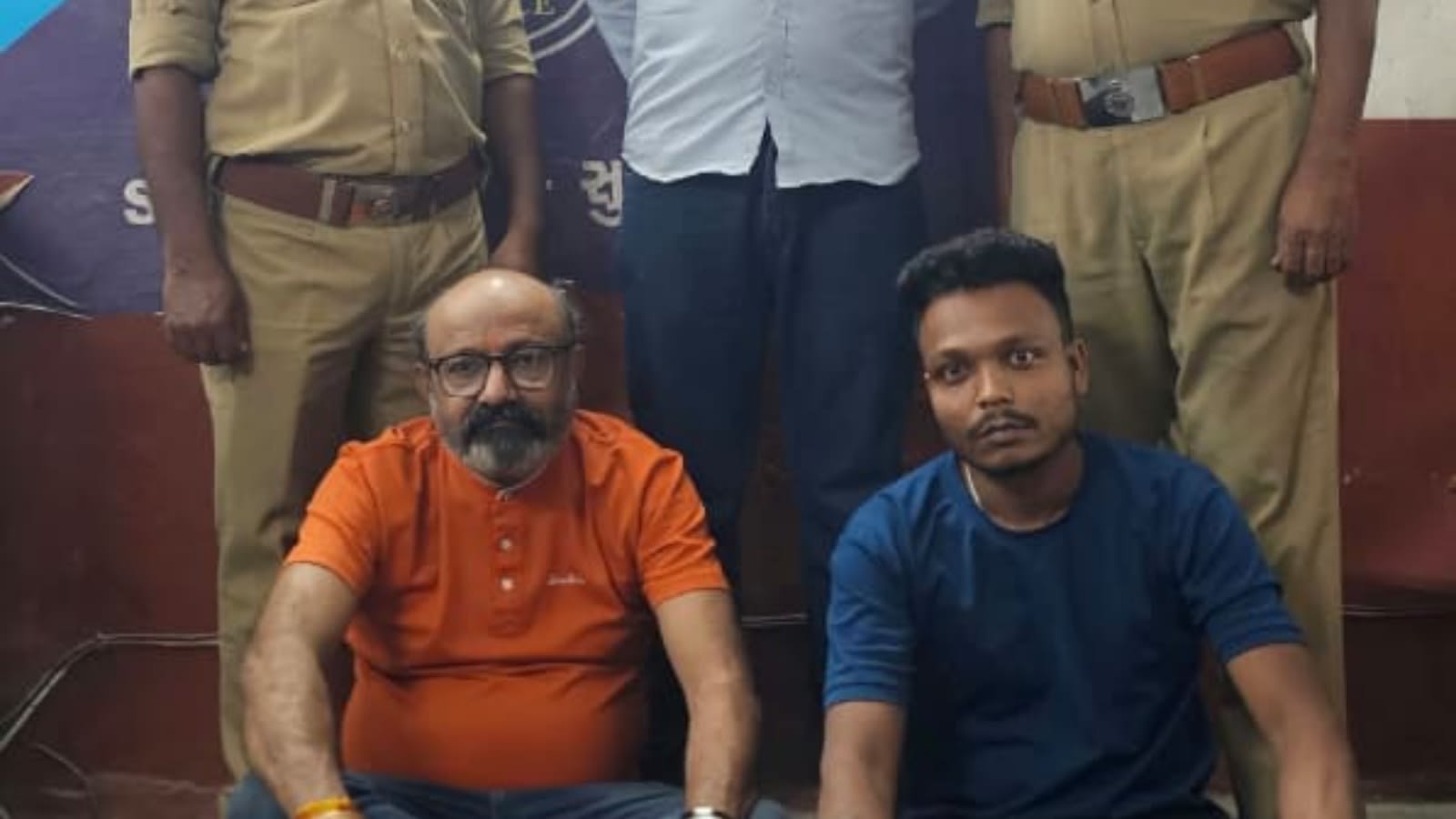
Surat police seized 645 bottles of illicit liquor from the home of local BJP leader Vijay Modi. The party has issued a show-cause notice to the official as the investigation continues under Gujarat's strict prohibition laws.
Prohibition Enforcement and Political Accountability in Gujarat
The Incident in Surat
In a significant enforcement action, Surat police conducted a raid at the Laxmi Bhavan building in the Khand Bazar area, resulting in the seizure of 645 bottles of Indian Made Foreign Liquor (IMFL). The total value of the confiscated contraband is estimated at Rs 2.65 lakh. The operation led to the arrest of Vijay Modi, who serves as the general secretary of Ward No. 21 for the Bharatiya Janata Party (BJP), along with an unnamed aide. This development has placed the local administration and the ruling political party under scrutiny regarding the efficacy of the state's long-standing prohibition policies.
Legal Context: Gujarat as a Dry State
Gujarat maintains a stringent stance on alcohol, being one of the few states in India where the sale and consumption of liquor are prohibited without a specific permit. The state’s prohibition laws are deeply rooted in its historical and cultural ethos, intended to curb social issues associated with alcohol consumption. However, the presence of such a large cache of illicit liquor in the residence of a political functionary highlights the ongoing challenges authorities face in preventing the smuggling and illegal distribution of alcohol within the state.
Political Repercussions and Internal Accountability
Following the viral circulation of the news on social media platforms, the political fallout was swift. The Surat city BJP president, Paresh Patel, formally issued a show-cause notice to Vijay Modi. This internal disciplinary measure demands that the accused explain his conduct within seven days. By taking this step, the party leadership is attempting to distance itself from the illicit activity and demonstrate a commitment to internal accountability, despite the embarrassment caused by the involvement of a ward-level office bearer.
Broader Implications for Law Enforcement
This raid underscores a recurring theme in the enforcement of prohibition: the intersection of local power structures and illegal trade. When a political figure is found to be allegedly involved in the storage of prohibited goods, it raises questions about the oversight mechanisms intended to prevent such lapses. The police action at the Laxmi Bhavan building suggests a robust effort to uphold the law regardless of the political affiliation of the suspect, a necessity for maintaining public trust in the state's prohibition mandate.
Future Trends and Outlook
Moving forward, the investigation will likely focus on the source of the 645 bottles and the intended distribution network. The outcome of the show-cause notice issued by the BJP will also serve as a barometer for how the party handles internal corruption or criminal allegations moving into the next election cycle. As the state continues to grapple with the black market for liquor, authorities are expected to intensify surveillance on urban centers like Surat to prevent further violations of the state's dry status.