US Appeals Court Gives Trump New Pathway To Erasing Hush Money Conviction
Source Entity
NDTV News Search Records Found 1000
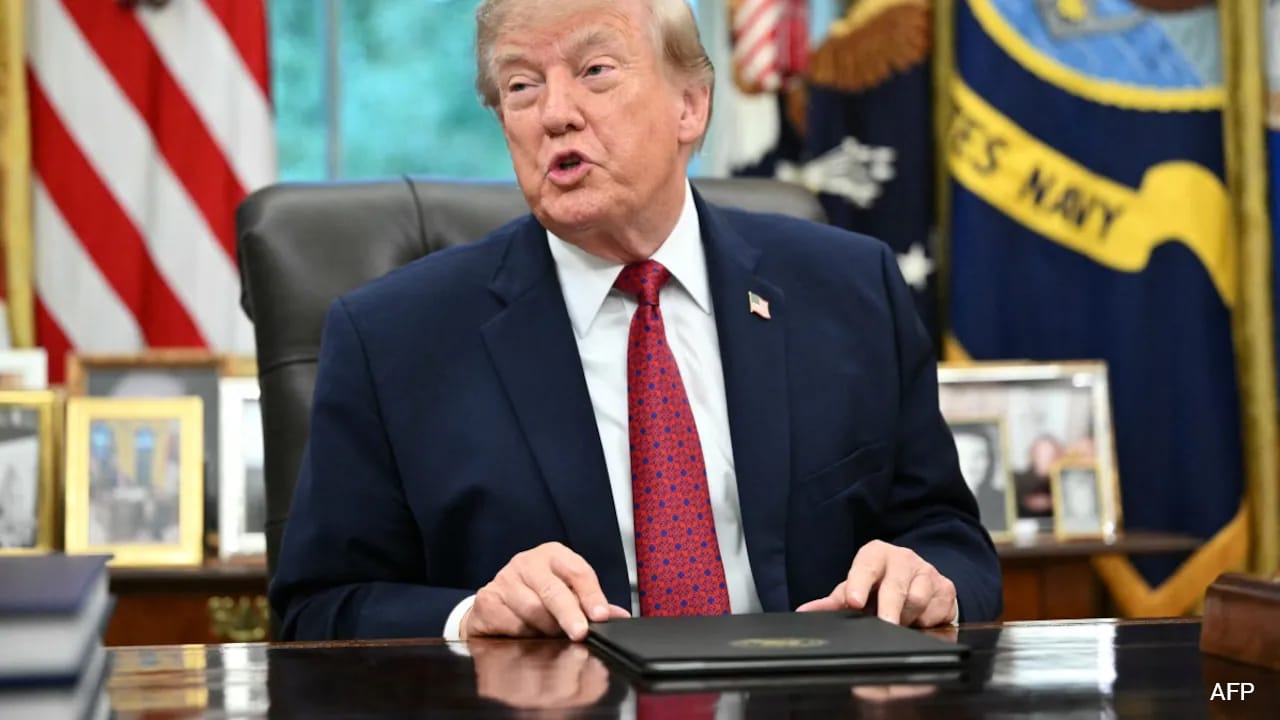
A US appeals court has opened a potential legal pathway for Donald Trump to challenge his hush money conviction. This development could allow him to leverage presidential immunity arguments to seek an annulment of the verdict.
Legal Uncertainty: The Hush Money Conviction
A significant development has emerged in the legal battles surrounding former President Donald Trump, as a US appeals court has paved a new pathway for him to challenge his hush money conviction. This procedural opening marks a critical shift in the post-trial landscape, offering a potential mechanism for the defense to revisit the finality of the jury's verdict. By creating this opening, the judiciary is once again thrust into the center of a complex debate regarding the intersection of personal legal liability and the office of the presidency.
The Role of Presidential Immunity
Central to this new legal strategy is the application of presidential immunity. The core of the defense's argument hinges on the possibility that the evidence presented in the hush money case—and potentially the actions taken during the period in question—should be shielded by the protections afforded to a sitting or former commander-in-chief. If the appeals court allows this argument to proceed, it could force a re-evaluation of how much of the case relies on official acts versus private conduct.
Procedural Hurdles and Precedents
For the defense to succeed, they must navigate a rigorous appellate process that requires proving that the trial court's previous rulings were fundamentally flawed in their interpretation of executive privilege. This is not merely a request for a retrial; it is a strategic attempt to have the conviction discarded entirely. The court's willingness to entertain this pathway suggests that the legal questions surrounding the scope of immunity remain a live and contentious issue in American jurisprudence.
Broader Implications for the Judiciary
The outcome of this appeal carries profound implications for the American legal system. Should the court find that presidential immunity applies in a way that necessitates the erasure of a criminal conviction, it would set a significant precedent for future executive accountability. This case is being closely watched as a bellwether for how the judiciary balances the rule of law against the unique constitutional protections required to ensure a president can function without constant fear of litigation.
Historical Context and Future Trends
Historically, the limits of presidential immunity have been tested in cases like Nixon v. Fitzgerald, but the application to state-level criminal convictions remains uncharted territory. As this legal saga unfolds, the trend suggests a move toward more expansive interpretations of executive protection. Future legal challenges will likely rely heavily on the findings of this specific appeal, potentially reshaping the landscape of presidential liability for years to come.
Conclusive Summary
In summary, the US appeals court's decision to grant a new pathway for challenging the hush money conviction represents a pivotal moment in the legal history of the United States. By linking this challenge to the broader debate over presidential immunity, the defense has ensured that the case remains a focal point for constitutional scholars and political observers alike. As the proceedings move forward, the legal community will be looking for a definitive ruling that clarifies the boundaries of presidential power.
Verification Required?