
The Illusion of the Centralized Gatekeeper
Most traders believe the SWIFT network is the only viable artery for international trade. They are wrong. When a correspondent bank in New York or London freezes a transfer destined for the UAE, the merchant does not wait for a compliance officer to wake up. They activate a shadow network. This is not a new phenomenon; it is an evolution of ancient trust-based systems meeting modern cryptography. The asymmetry between slow-moving banking regulations and the instant nature of P2P transfers creates a gap where capital flows freely, unseen and untethered from traditional oversight.
Dubai serves as the perfect collision point for these flows. It is a city where the legacy of the Hawala system—a trust-based method of transferring value without moving physical cash—intersects with the cutting edge of DeFi. Why rely on a bank that demands a mountain of paperwork for a routine shipment of textiles or electronics? By utilizing P2P networks, merchants siphon liquidity away from the gaze of global regulators, ensuring that trade continues even when the official channels are blocked by political inertia or bureaucratic lag.

Prerequisites for the Shadow Ledger
You cannot simply download an app and bypass a global bank. The infrastructure of P2P movement requires a specific set of assets and relationships. The most critical is not the software, but the reputation. In the world of informal value transfer, your name is your collateral. Without a trusted anchor, you are merely a target for scams. The merchant must first establish a presence in a network where trust is the primary currency.
- A verified trust-anchor within a Hawala or P2P savings association (Source: EPW, [Year]).
- Non-custodial digital wallets capable of handling Bitcoin and stablecoins (Source: SkyQuest, 2024).
- Access to a network of local agents (mules) for fragmented cash-out operations (Source: VarIndia, 2026).
- A diversified set of off-ramp points across multiple jurisdictions, such as India, Oman, or South Africa (Source: GM Insights, 2026).
The Execution Workflow: From Dubai to the World
- Trust Anchoring: The merchant identifies a counterparty in the destination country who needs liquidity in Dubai. Instead of sending money, they notify a Hawala agent. The agent in Dubai receives the funds, and the agent in the destination city pays out the equivalent amount to the receiver. No money actually crosses the border; only a debt is recorded on a private ledger (Source: EPW, [Year]).
- Digital Siphoning: To scale this, the merchant integrates Bitcoin P2P networking. Using decentralized bid/ask negotiations and escrow services, they convert local currency into digital assets (Source: GM Insights, 2026). This removes the need for a physical agent for every single transaction, allowing for rapid, high-volume transfers.
- Fragmented Distribution: To avoid triggering Anti-Money Laundering (AML) flags, the merchant avoids large, lump-sum transfers. They utilize mule bank accounts and fragmented transactions. By breaking a large sum into hundreds of small, seemingly unrelated payments, the trail becomes a web that is nearly impossible for standard banking software to map (Source: VarIndia, 2026).
- Final Settlement: The funds are off-ramped through P2P transfer services or local exchanges in the target region. In places like India, these services facilitate direct money transfers that bypass the traditional banking hierarchy entirely (Source: Justdial, 2026).
This process creates a mechanical failure in the bank's monitoring system. The bank sees a series of small, domestic transfers. They do not see the global movement of value. The merchant has effectively decoupled the transfer of value from the transfer of money. This is the core of the bypass: the bank is monitoring the pipes, but the merchant has built a separate reservoir.
| Feature | Traditional Banking | P2P Shadow Network |
|---|---|---|
| Settlement Speed | 3-5 Business Days | Near-Instant |
| Documentation | Heavy KYC/AML | Reputation-Based |
| Visibility | Full Audit Trail | Fragmented/Obscured |
| Cost | Fixed Fees + FX Spread | Variable P2P Premium |
"Hawala, chit funds, chamas and other forms of P2P savings or credit associations are notable precursors to the kinds of financial relationships we anticipate in a decentralized future."— Research Analysis, EPW
The friction here is not technical; it is human. As a practitioner, I have seen the internal disputes that arise when a 'trust anchor' fails to settle a ledger. When one agent in the chain disappears or a mule account is frozen, the entire web trembles. There is no insurance. There is no ombudsman. The only recourse is the threat of social ostracization within the merchant community. This is the invisible tension of the shadow ledger: you are only as solvent as your most unreliable partner.
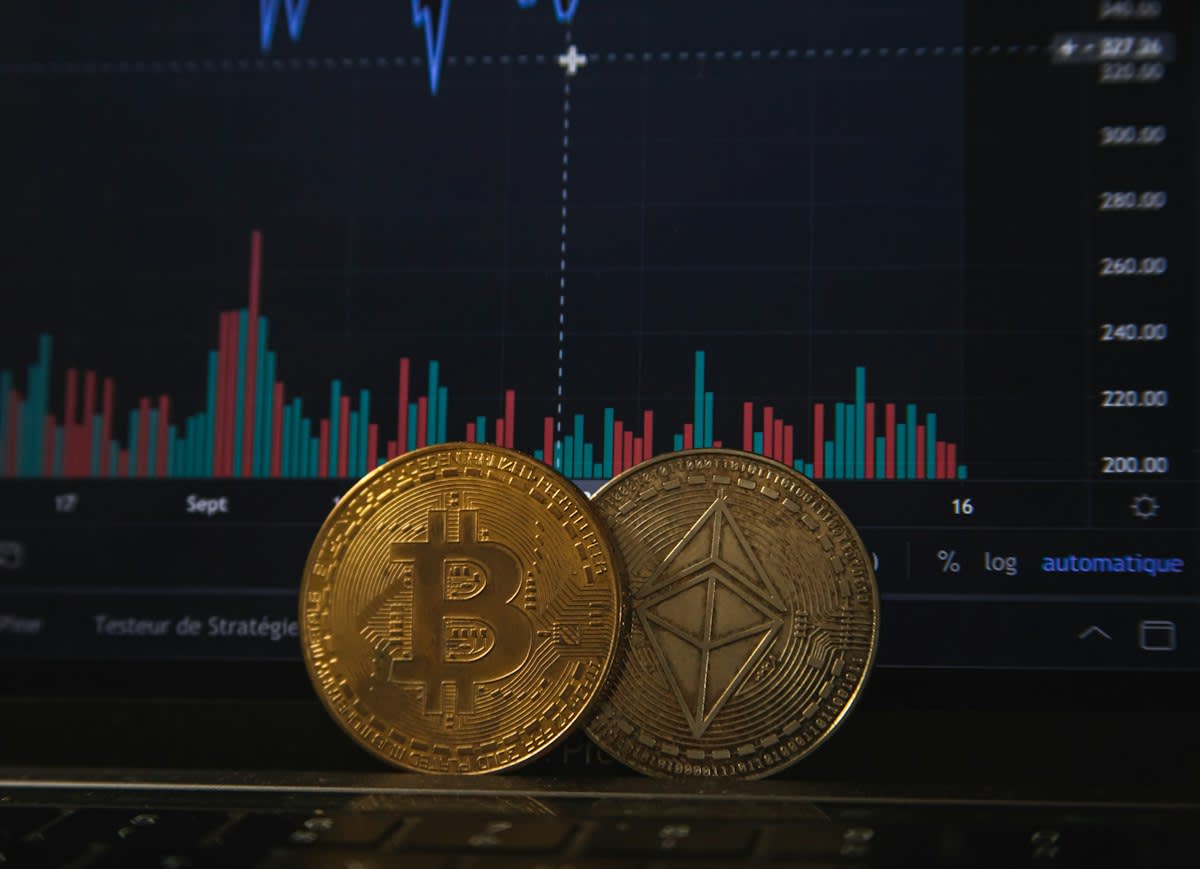
We are seeing a hard turn toward the integration of these systems. The FinTech market is already reflecting this, with digital lenders and P2P marketplaces maintaining a significant footprint, as seen in the 17% sector share for tech-enabled P2P lenders (Source: HL FinTech Market Update, 2026). This is not merely a tool for the few; it is becoming a default operational mode for merchants operating in high-friction zones.
Fact-Check & Accuracy Note
The methods described here rely on documented informal value transfer systems (IVTS) and P2P crypto-networks. While these systems provide liquidity, they are subject to intense scrutiny. For instance, authorities have recently conducted a ⁎e6,000-Crore investigation into illegal betting proceeds that utilized similar mule account and Hawala structures (Source: VarIndia, 2026). The academic debate centers on whether these networks facilitate economic growth in underbanked regions or primarily serve as conduits for illicit capital.
Common Pitfalls and Mechanical Failures
The most frequent failure is the 'collision' with regulatory updates. A merchant may use a specific set of mule accounts for months without issue, only for a bank to update its AI detection patterns and freeze every account simultaneously. This creates a liquidity trap. If your capital is fragmented across ten accounts and four are frozen, your entire supply chain can grind to a halt. The lack of a centralized recovery mechanism means that once the money is gone, it is gone.
Another risk is the reliance on P2P platforms that lack robust escrow. While decentralized bid/ask negotiation is a feature of the Bitcoin ecosystem (Source: GM Insights, 2026), a novice merchant often falls for 'too-good-to-be-true' exchange rates. These are typically lures for phishing attacks. In the shadow economy, there is no 'forgot password' button for your private keys. A single mistake leads to total loss.
Finally, the danger of 'over-concentration' cannot be overstated. Merchants who rely on a single Hawala agent are vulnerable to that agent's legal troubles. When an agent is extradited or arrested—as seen in cases involving betting masterminds brought back from Oman (Source: VarIndia, 2026)—every merchant tethered to them faces an immediate capital wipeout. Diversification is the only survival strategy.