
The Capital Offensive of ETCI 2.0
The European Investment Bank (EIB) just signaled a violent departure from its previous cautious stance on venture capital. Under President Nadia Calviño, the launch of the European Tech Champions Initiative (ETCI) 2.0 marks a definitive attempt to bridge the continent's chronic scale-up financing gap. By mobilizing up to 80 billion euros, the EIB is not merely supporting startups but is actively attempting to engineer the birth of European tech giants. This is a calculated move to ensure that the intellectual property of the next industrial age remains within European borders rather than leaking to the Pacific.
The mechanics of this deployment are aggressive. The EIB Group is directly injecting 1.25 billion euros of core capital to act as a catalyst, designed to attract and mobilize a total of 80 billion euros in combined investments. This capital is earmarked for more than 1,000 scaleups, targeting a specific tier of companies that have moved beyond the seed stage but typically struggle to find the massive growth capital available in the US or China. Why does this matter now? Because the window for establishing industrial sovereignty is closing as global supply chains reorganize around political rather than purely economic lines.
The Strategic Delta
The delta between 2025 and 2026 is clear: Europe has moved from passive subsidies to a strategic mobilization of capital intended to create 'champions' capable of competing with East Asian industrial conglomerates.
The East Asian Friction Point
While Brussels pours capital into its ecosystem, the traditional manufacturing hubs of East Asia are hitting a regulatory wall. In Vietnam, the manufacturing sector is currently locked in a race for survival. The old model—reliant on inexpensive labor, high energy consumption, and heavy emissions—is becoming a liability. Vietnamese manufacturers are now forced into a dual transformation, attempting to integrate green production and artificial intelligence simultaneously to maintain their position in global supply chains.
This pressure is not accidental. The European Green Deal (EGD) and the Carbon Border Adjustment Mechanism (CBAM) have effectively turned sustainability standards from optional corporate social responsibility goals into hard prerequisites for market access. For an exporter in Hanoi, failing to meet these green standards now means being locked out of the European market. Does this create an opening for Eastern European hubs? Absolutely. As East Asian firms struggle to decarbonize their legacy infrastructure, the new, EIB-funded European scaleups are building green-native industrial tech from the ground up.
Robots vs. Sovereignty
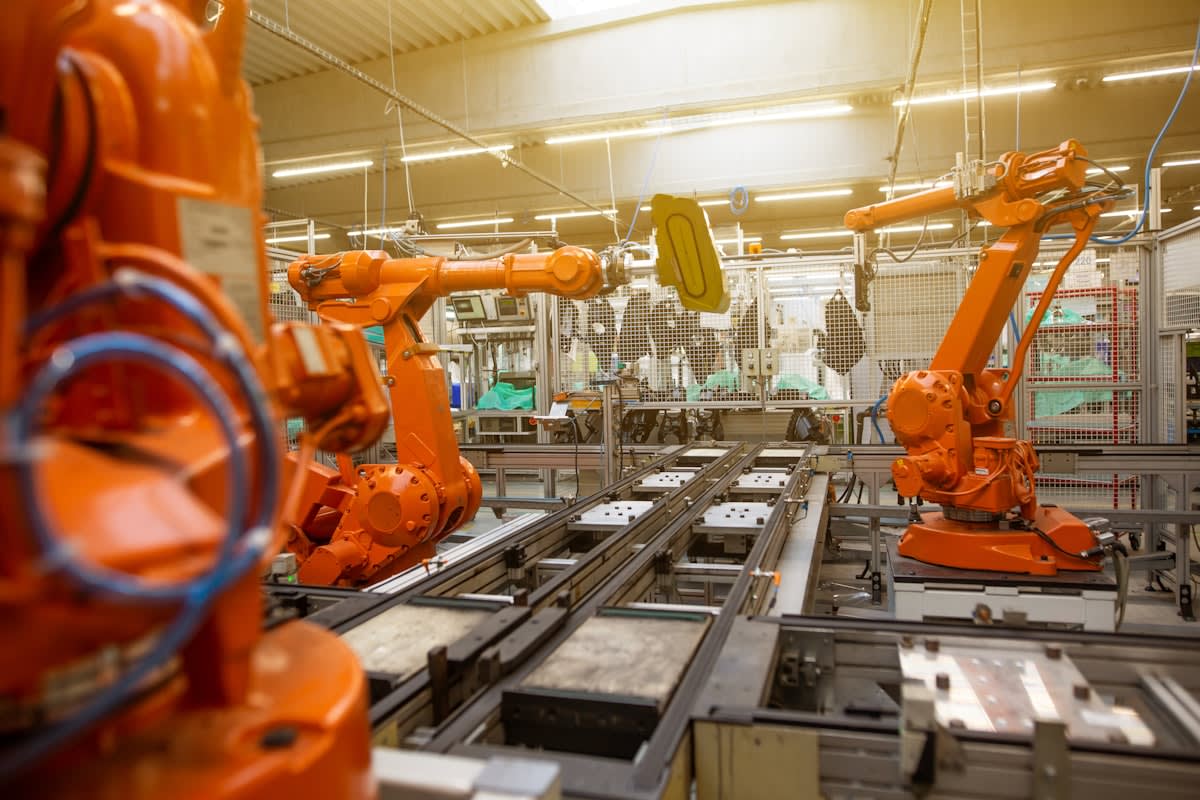
China continues to dominate the hardware layer of this transition. In the first half of 2026, Chinese industrial robot exports surged to 6.29 billion yuan, an 18.6 percent year-on-year increase. These products are reaching 141 countries, driven by competitive pricing and rapid technical iterations in embodied intelligence. Surgical robotics, in particular, saw a three-fold increase in exports, proving that China's ability to mass-produce high-tech hardware remains unmatched.
However, there is a critical distinction between exporting the tools and owning the ecosystem. China is exporting the robots, but Europe is funding the companies that will decide how those robots are deployed. By focusing on the scale-up phase through ETCI 2.0, Europe is attempting to capture the high-value orchestrator role in the industrial stack. The goal is to move away from being a mere consumer of Chinese automation and toward becoming the architect of the intelligent factory.
| Metric | East Asian Hubs (China/Vietnam) | European Industrial Tech Hubs |
|---|---|---|
| Primary Growth Driver | Hardware Export Volume / Low Labor Cost | Strategic Scale-up Funding (€80bn) |
| Key Constraint | Green Deal / CBAM Compliance | Historical Scale-up Financing Gap |
| Recent Performance | 18.6% Robot Export Growth (China H1 2026) | ETCI 2.0 Deployment (1,000+ Scaleups) |
| Strategic Goal | Market Penetration via Pricing | Technological Sovereignty |
The Intelligence Layer: Beyond the Hardware
The shift toward a European hub is most visible in the invisible layers of industrial tech—the materials and data tags that track global commerce. Avery Dennison provides a glimpse into this evolution. In 2024, the company saw significant growth driven by volume recovery in label materials and sustained demand for retail branding. More importantly, they have aggressively invested in RFID tags and intelligent labels used in logistics. This is the connective tissue of the modern factory.
The ability to convert earnings into cash for technology investment is what separates the survivors from the legacy players. Avery Dennison's focus on intelligent labels mirrors the broader European trend: the industrialization of data. When you combine this level of logistical intelligence with the EIB's 80 billion euro war chest, the result is an infrastructure that can manage complex, regionalized supply chains more efficiently than the centralized, long-distance models of the last three decades.
Mapping the Regional Network
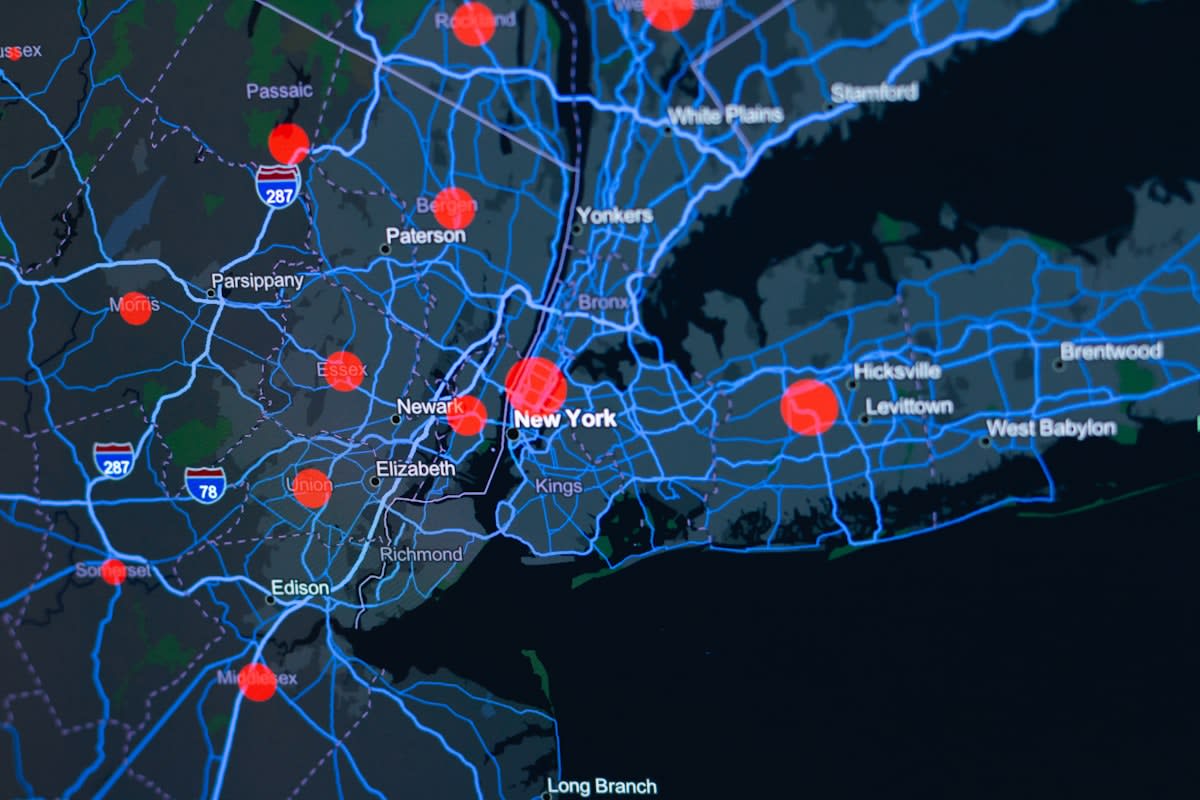
A critical component of this resurgence is the move toward regional manufacturing visibility. The current industrial philosophy is shifting away from relying on a few massive facilities and toward mapping smaller, agile suppliers that support Original Equipment Manufacturers (OEMs). This model, seen in initiatives like the Carolina Textile District, is being mirrored in Eastern Europe. By connecting statewide and regional networks of small-scale manufacturers, Europe is building a resilient web that is far harder to disrupt than a single-point-of-failure hub in East Asia.
These smaller manufacturers are the true engines of innovation. They train employees in versatile skills and generate the creative inventions that larger manufacturers require to maintain a competitive edge. By fostering this ecosystem, the EU is not just replacing East Asia's volume; it is replacing its agility. The question is no longer whether Europe can produce at scale, but whether it can out-innovate the incumbents by leveraging a more distributed and sustainable network.
The convergence of these factors—the EIB's massive capital injection, the regulatory strangulation of high-carbon East Asian hubs, and the rise of intelligent logistics—suggests a fundamental realignment. The industrial tech hub is moving west. It is a quiet transition, hidden in the fine print of investment bank mandates and carbon border taxes, but the result will be a total reconfiguration of where the world's most advanced things are made.