The financial winners and losers from the World Cup
Source Entity
BBC News
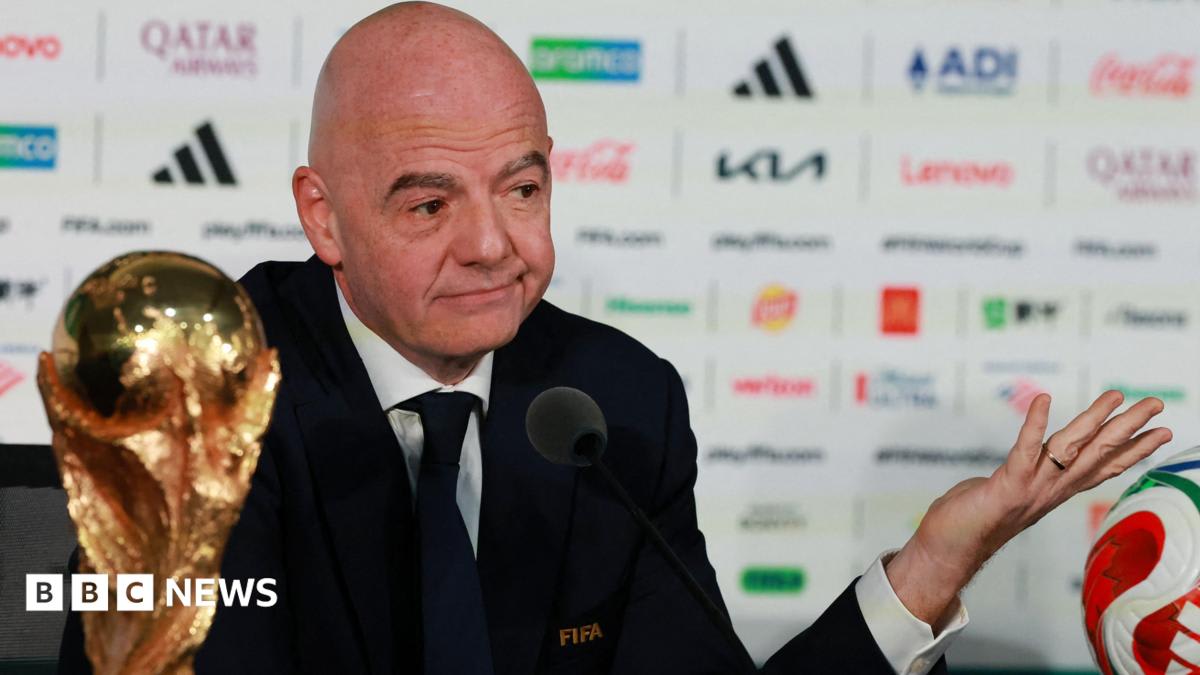
FIFA's introduction of hydration breaks, intended for player welfare, has created a lucrative advertising opportunity for broadcasters. In the US, Fox Sports is leveraging these intervals to potentially generate $250 million in revenue.
The Commercialization of Player Welfare: Analyzing the World Cup Hydration Breaks
In a strategic move ostensibly designed to protect player health, FIFA introduced hydration breaks during the World Cup. While FIFA President Gianni Infantino has explicitly stated that these intervals are a "purely sporting matter" intended to ensure athletes remain hydrated and perform at their peak, the reality on the broadcast side tells a different story. The intersection of athlete welfare and corporate monetization has created a fascinating case study in how sporting regulations can be pivoted into high-value commercial assets.
The Broadcaster's Gambit: From Health to Profit
While FIFA claims no direct revenue gain from these breaks, the entities responsible for televising the event—specifically broadcasters—have seen a golden opportunity. Fox Sports, which invested a staggering $485 million to secure the US broadcast rights, has effectively transformed these 90-second health intervals into "sponsored" segments. By branding the hydration breaks, Fox is not merely facilitating a pause in play but is creating a new, premium inventory for advertisers to target a captive global audience.
The American Sports Influence
This shift is particularly evident in the United States, where the culture of sports consumption differs significantly from the traditional European or South American models. American fans are accustomed to the rhythms of the NFL or NBA, where games are structured around frequent timeouts and commercial breaks. By framing hydration intervals as sponsored events, Fox Sports is aligning the World Cup's flow with US viewing habits, making the transition from gameplay to advertising seamless and highly profitable for the network.
The High Stakes of World Cup Advertising
The financial implications of these breaks are immense. With expert estimates placing the cost of a standard 30-second World Cup advertising slot between $200,000 and $300,000, the cumulative effect of these hydration intervals is profound. Analysts suggest that these specific ads could net as much as $250 million in the US market alone. This staggering figure highlights the disparity between the "sporting" intent of the rule and the "financial" execution by the media partners who must recoup their massive rights fees.
The Broader Sponsorship Ecosystem
Beyond the broadcasters, the World Cup remains a playground for global giants. Official sponsors such as Adidas and Coca-Cola already pay immense sums for ubiquitous brand placement throughout the tournament. However, the introduction of dedicated, sponsored breaks provides a more focused window of attention than general stadium signage. This allows brands to associate themselves directly with the "care" and "recovery" of the players, adding a layer of positive brand association to their existing financial investments.
Future Outlook: Permanent Integration?
Given the potential for hundreds of millions of dollars in additional revenue, it is highly probable that hydration breaks will become a permanent fixture of the tournament. While the initial justification was player safety, the economic incentive for broadcasters to maintain these breaks is now too large to ignore. We can expect future iterations of the World Cup to see further attempts to formalize these pauses, potentially leading to a clash between traditionalists who prefer a continuous game flow and commercial interests driving the evolution of the sport's broadcast format.
Summary
In conclusion, the introduction of hydration breaks serves as a prime example of the "commercial loophole" in global sports. What began as a health-centric policy by FIFA has been rapidly monetized by US broadcasters like Fox Sports, turning a 90-second water break into a multi-million dollar revenue stream that mirrors the ad-heavy structure of American professional sports.