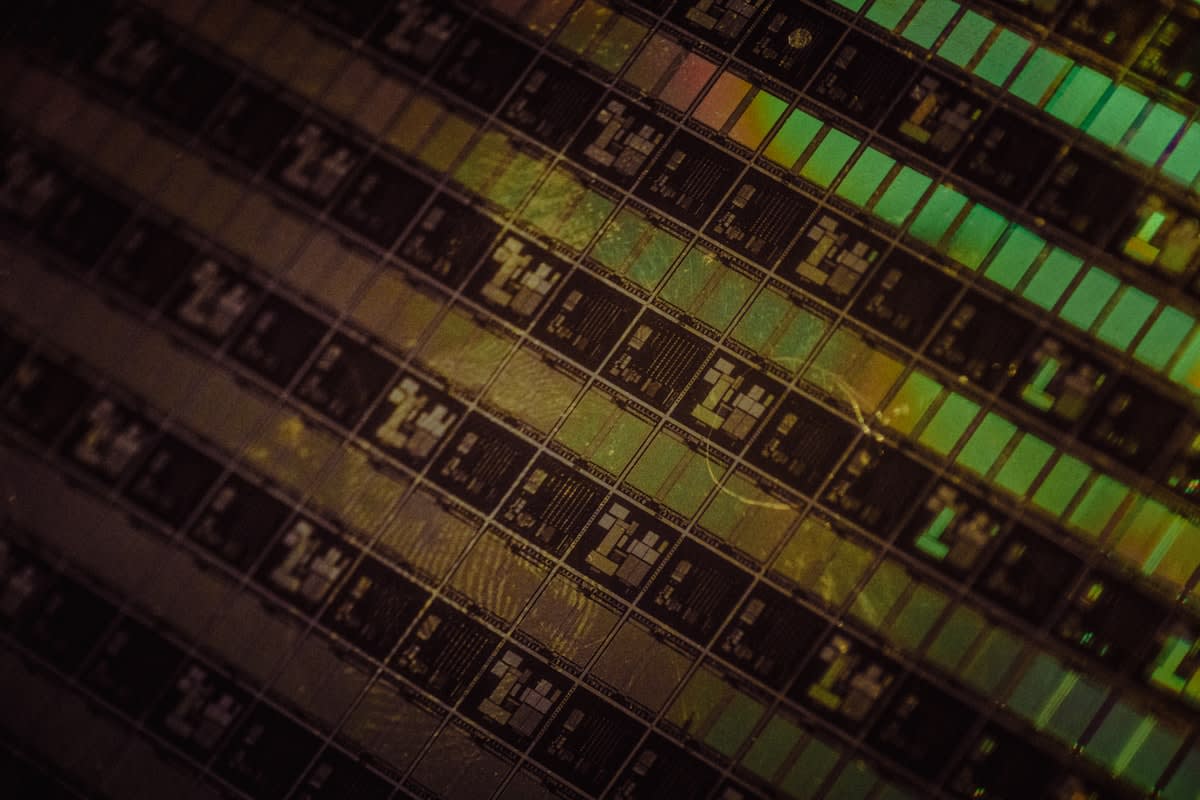
The transition to post-quantum cryptography (PQC) is not a software patch; it is a hardware reckoning. While the industry has spent years debating algorithms, the physical layer—the silicon itself—is now facing an existential crisis. The current infrastructure governing Public Key Infrastructure (PKI) is buckling under the combined weight of AI agentic adoption and the looming necessity of quantum-resistant encryption. This is no longer a theoretical threat for the next decade. It is a present-tense logistical failure.
Recent data from HID Global's 2026 PKI market study exposes a staggering vulnerability in the global security apparatus. Out of 300 IT and security leaders surveyed across the US and Europe, 52% cited a lack of automation or specialized tools as the primary obstacle to effective PKI management. When you combine this automation gap with shrinking certificate lifecycles, the result is a fragile ecosystem. If the hardware cannot handle the increased computational overhead of PQC algorithms, the software will simply crash the system.
The Compute Penalty
The PQC shift creates a 'hardware tax.' Every single encrypted packet now requires more silicon real estate and more power to process, making legacy chips an immediate liability.
Market signals are already reflecting this volatility. Look at the recent collapse of IBM's stock, which saw a 25% plunge. Analysts, including Jim Cramer, suggest that corporate IT spending is aggressively migrating away from traditional software toward cybersecurity, hardware, and AI tokens. IBM found itself on the wrong side of this spending priority. The market is no longer rewarding the architects of the old software world; it is rewarding those who can provide the physical components necessary to secure the new one.
The Wafer Moat and the Supply Chain War
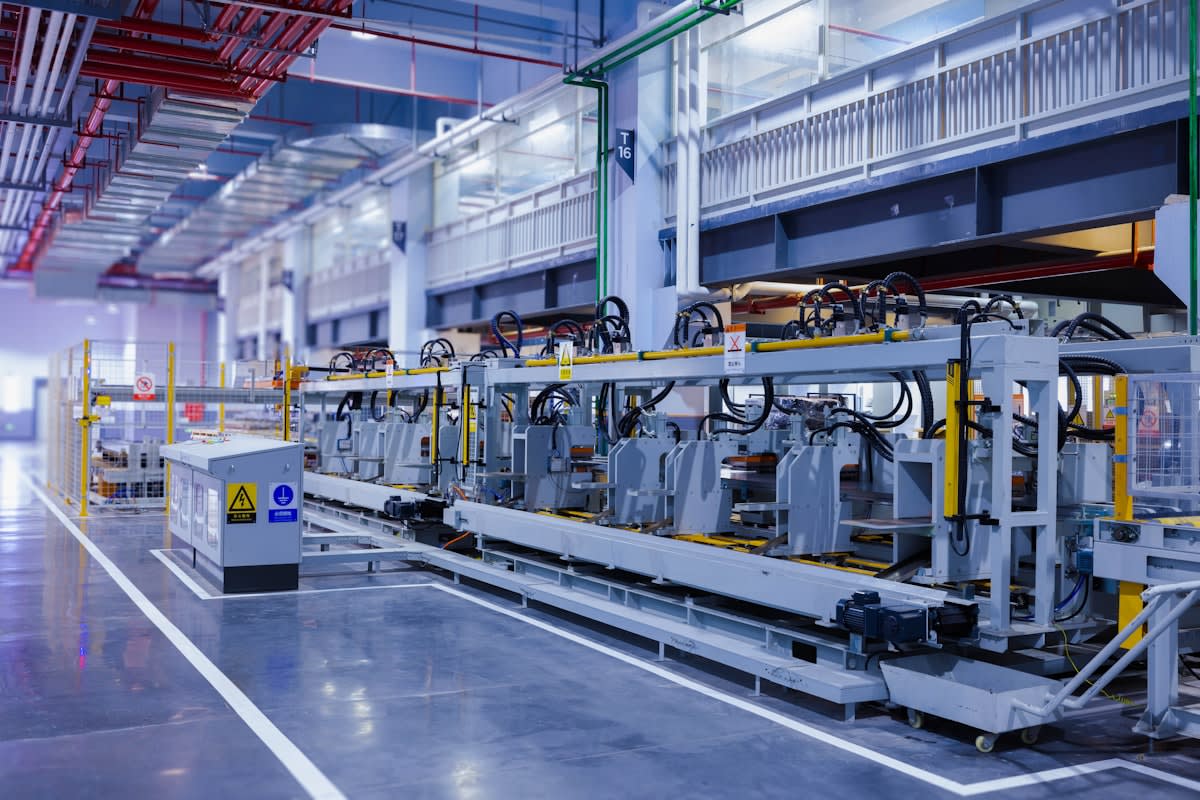
Securing the supply chain is the only way to survive this transition. Micron Technology is playing a high-stakes game by taking an equity stake in Taiwan-based GlobalWafers. This move is designed to support the construction of a massive wafer manufacturing facility in Sherman, Texas. By investing up to $3 billion into the domestic semiconductor ecosystem, Micron is betting that silicon wafers will become the ultimate supply constraint. As demand for memory and logic chips spikes to meet the needs of AI and PQC, those who control the raw wafer production will dictate the pace of the transition.
Why does a memory company care about wafer fabrication? Because the logic chips required for quantum-resistant encryption need high-performance memory to function without crippling latency. If the industry hits a wafer bottleneck, the deployment of PQC will stall, leaving global networks exposed. Micron's move isn't just about growth; it is an early warning that the AI and security industries are about to hit a physical wall.
| Component Type | Legacy Status | PQC Survival Strategy | Risk Level |
|---|---|---|---|
| General Purpose CPUs | Obsolete | Hardware-accelerated PQC engines | High |
| RF/Power Chips | Stable | Lifecycle extension via authorized sources | Medium |
| Memory (DRAM/NAND) | Essential | Wafer supply chain vertical integration | Low |
| Nanoelectronics | Experimental | 2D heterostructures and mica-stacking | Low (Future) |
While the new guard builds for the future, a different survival strategy is emerging for the legacy world. The agreement between Rochester Electronics and Qorvo is a masterclass in lifecycle management. By partnering to offer long-term availability of RF and power high-performance semiconductor solutions, these firms are targeting industries with stringent reliability requirements. In sectors where you cannot simply swap out a chip every two years, the ability to guarantee a continuous source of authorized semiconductors is a critical lifeline.
"Our distribution agreement reinforces Qorvo's commitment to delivering high-performance solutions with dependable, ongoing support."— Dan Smith, VP of Worldwide Sales and Distribution at Qorvo
This 'longevity play' recognizes a harsh reality: the world cannot migrate to PQC overnight. There will be a decades-long overlap where legacy RF components must coexist with quantum-resistant systems. Rochester Electronics, as the world's largest continuous source of semiconductors, is essentially becoming the curator of the old world's hardware, ensuring that critical infrastructure doesn't collapse while the new world is being built.
Beyond Silicon: The 2D Breakthrough
If the current silicon trajectory is a dead end, the answer may lie in materials just a few atoms thick. Researchers from the University of Southampton and the National University of Singapore have unveiled a fabrication technique for 2D heterostructures that could redefine nanoelectronics. By replacing messy polymers with mica, they have created a method to produce atomically flat surfaces, allowing for the precise stacking of atomic layers. This isn't just a laboratory curiosity; it is a blueprint for the next generation of quantum computing devices.
These ultra-thin material stacks promise to make microchips faster and more reliable, addressing the exact bottlenecks that PQC creates. When you can stack materials with atomic precision, you can create devices that process complex cryptographic functions with a fraction of the energy and space required by current silicon. This research represents the 'Delta'—the shift from improving existing chips to inventing entirely new physical architectures.

The geopolitical implications are clear. The collaboration between the UK and Singapore suggests a strategic alignment to bypass traditional semiconductor constraints. By mastering the fabrication of 2D materials, these regions are positioning themselves to lead the post-silicon era. The question is no longer which company will win the chip war, but which material will survive the quantum transition.
Corporate IT Spending Shift (Estimated)
Executive Insight
+18.4%
YTD Growth
The timeline for this shift is accelerating. Six months ago, the conversation was dominated by software-based PQC migration. Today, the conversation is about wafer sovereignty in Texas and atomic stacking in Singapore. The urgency is driven by the realization that the software is ready, but the hardware is not. We are entering a period of extreme friction where the digital ambition of AI meets the physical limitation of silicon.
Ultimately, the semiconductors that survive will be those that solve the 'compute-trust' paradox. They must provide the massive power required for PQC without draining the battery of a mobile device or overheating a data center. Whether it is through the brute force of Micron's wafer expansion or the surgical precision of 2D heterostructures, the hardware layer is the only place where the quantum threat can be truly neutralized.