Arvind Kejriwal Joins Sonam Wangchuk Protest, Backs NEET Paper Leak Demand | CJP Protest
Source Entity
Latest News: Today's Latest News Headlines from India & World | Hindustan Times | Hindustan Times
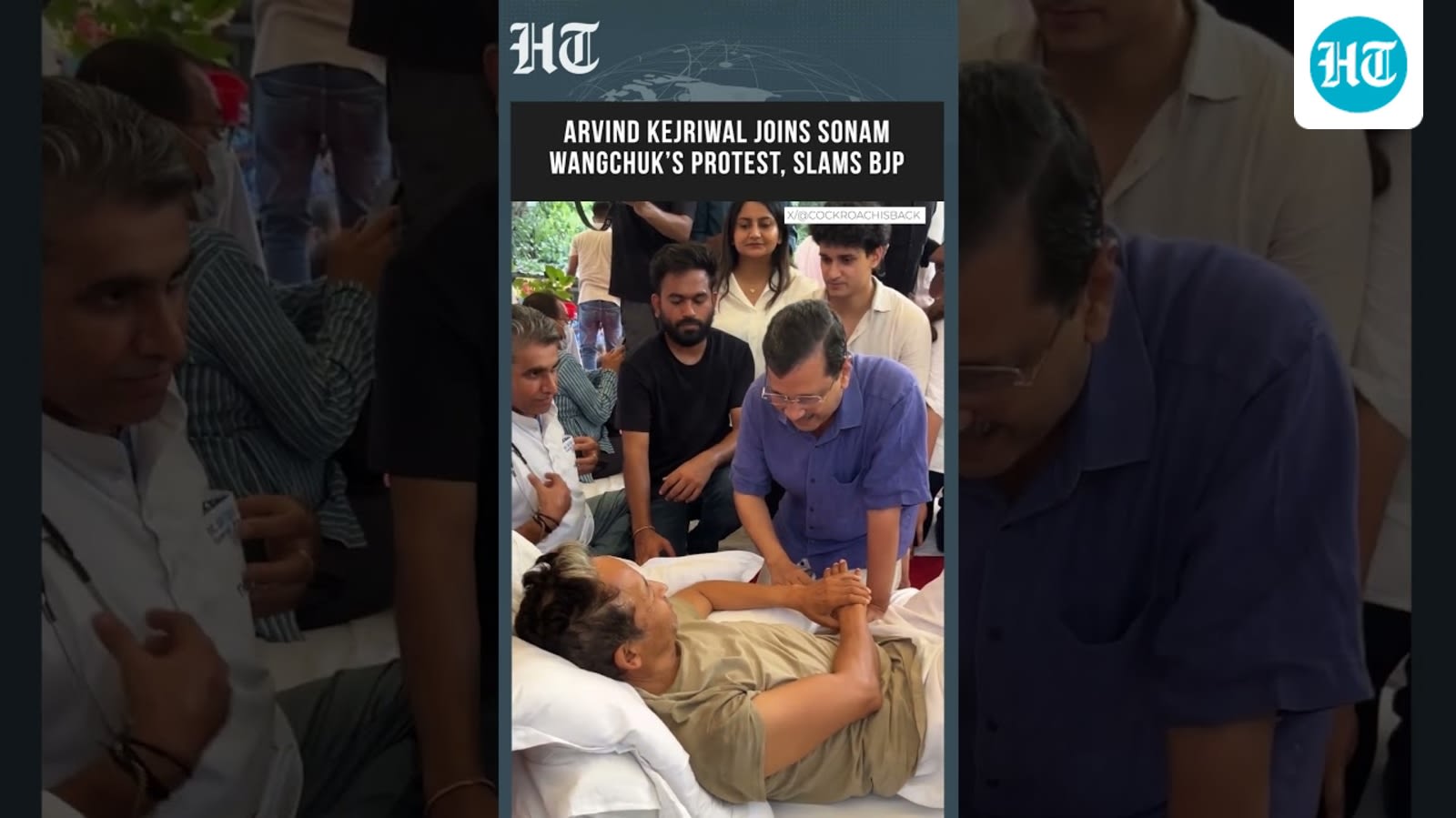
Arvind Kejriwal has joined Sonam Wangchuk's hunger strike to protest the alleged NEET paper leak. He is calling for government accountability and comprehensive education reforms to ensure examination transparency.
Political Alignment for Educational Integrity
The intersection of political leadership and grassroots activism has taken a prominent turn as Arvind Kejriwal joined Sonam Wangchuk's ongoing hunger strike. This alliance centers on the critical issue of the alleged NEET paper leak, a scandal that has sent shockwaves through the academic community and questioned the reliability of national testing standards. By standing with Wangchuk, Kejriwal is not only supporting a fellow advocate for change but is also amplifying a nationwide outcry for transparency and integrity within India's competitive examination framework.
The Demand for Systemic Accountability
The core of the protest lies in the demand for accountability regarding the alleged leaks in the National Eligibility cum Entrance Test (NEET). For millions of aspirants, these exams are the sole gateway to medical education, making any breach of security a devastating blow to meritocracy. Kejriwal's presence underscores the gravity of the situation, emphasizing that when the sanctity of a national exam is compromised, it is not just a technical failure but a systemic betrayal of the youth's hard work and aspirations. The demand for accountability extends to the agencies responsible for the conduct of the exam, insisting on a transparent investigation into how such leaks occur.
Political Implications of the Alliance
The joining of a high-profile political figure like Arvind Kejriwal with a respected activist like Sonam Wangchuk transforms a student-led grievance into a potent political narrative. This synergy pressures the central government to move beyond mere investigations and implement tangible reforms. The protest highlights a growing trend where political actors leverage educational crises to demand broader governance reforms, thereby intensifying the debate over how national testing agencies operate and who they are accountable to. This alliance suggests a strategic move to unite various segments of society—from students to political leaders—against administrative negligence.
The Push for Comprehensive Education Reforms
Beyond the immediate crisis of the paper leak, the protest calls for deeper education reforms. The current reliance on high-stakes, single-day examinations often creates an environment ripe for corruption and immense psychological pressure on students. By backing Wangchuk, Kejriwal is advocating for a shift toward more transparent, fair, and perhaps diversified assessment methods. The goal is to reduce the desperation that fuels the "leak economy," aiming for a future where merit is the only currency for success and where the education system is designed to support students rather than stress them through flawed systems.
Addressing the Concerns of Parents and Students
A significant aspect of this protest is the direct appeal to the government to address the anxieties of parents and students. The uncertainty following a leak creates a vacuum of trust in public institutions, leaving families worried about the fairness of the selection process. When leaders urge the government to listen to these stakeholders, it signals a need for a more empathetic and responsive administrative approach. The movement seeks to ensure that no student's career is jeopardized by administrative negligence or criminal interference in the examination process, demanding a safety net for those affected by the leak.
Conclusion: Toward a Transparent Future
The convergence of Kejriwal and Wangchuk's efforts marks a critical moment in the fight for examination transparency. As the political debate intensifies, it is likely that the government will be forced to introduce more stringent security protocols and perhaps overhaul the operational guidelines of testing bodies. Ultimately, this protest serves as a reminder that the future of India's healthcare and scientific progress depends on a fair and transparent entry system for its future doctors and professionals. The resolution of this crisis will set a precedent for how India handles academic integrity in the years to come.
Verification Required?