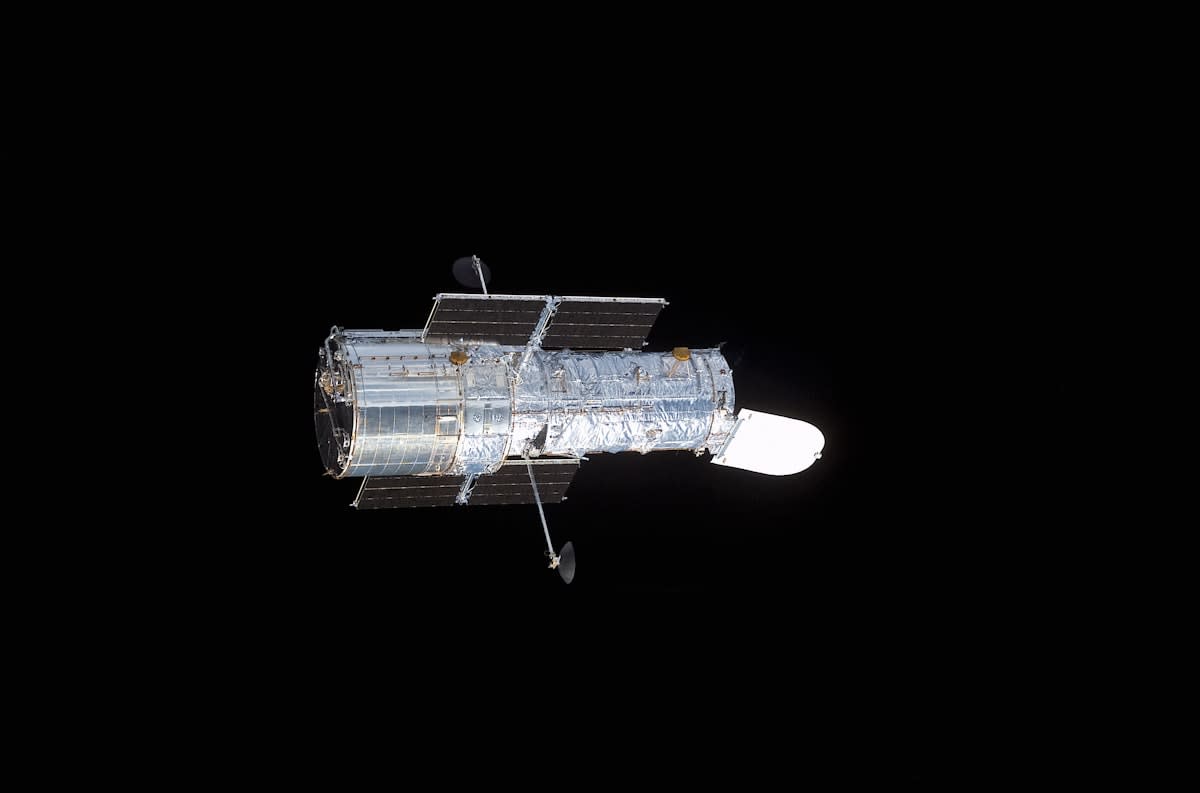
Low Earth orbit has transitioned from a vast frontier to a congested industrial zone. The sheer volume of defunct satellites and spent rocket stages now creates a precarious environment where a single collision can trigger a cascade of destruction. This phenomenon threatens the very infrastructure that enables global GPS, weather forecasting, and telecommunications. While the world once viewed space as an infinite void, the reality is now a finite resource that requires active management. The risk is no longer theoretical; it is a daily operational concern for every satellite operator from Luxembourg to Brazil.
The delta in strategic priority over the last twelve months is stark. A year ago, the primary objective for regional space agencies in Oceania was expanding launch cadence and satellite manufacturing to compete with Northern Hemisphere giants. Today, the conversation has fundamentally realigned toward Space Situational Awareness and the active removal of debris. This move reflects a realization that the ability to launch is worthless if the orbital destination is impassable. The urgency is driven by the increasing density of mega-constellations which have exponentially raised the probability of conjunction events.
Canberra's Strategic Calculation
Australia is positioning itself as the eyes of the Southern Hemisphere. By investing heavily in ground-based radar and optical tracking systems, the Australian Space Agency is filling a critical gap in global Space Situational Awareness. Most tracking assets are concentrated in the North, leaving a blind spot that Oceania is now filling. This capability is the prerequisite for any debris removal mission; you cannot remove what you cannot track with centimeter-level precision. The investment is not merely scientific but serves as a diplomatic tool to attract international partners who require high-fidelity tracking data.
The economic logic is simple: insurance premiums for satellite operators are tied directly to the risk of collision. As the debris field grows, the cost of insuring a satellite increases, eating into the margins of commercial space ventures. By leading the charge in debris removal and tracking, Australia aims to lower the risk profile of the entire orbital economy. This approach transforms a waste management problem into a high-value service industry. The goal is to create a sustainable orbital environment where the cost of entry does not become prohibitive due to insurance hikes.
The Collision Cascade
The Kessler Syndrome describes a scenario where the density of objects in low Earth orbit is high enough that collisions between objects could cause a cascade, making space activities and satellite use impossible for generations.
This fragility in orbit has forced a rethink of national space strategies across the Southern Hemisphere.
New Zealand's Agile Intervention
New Zealand has leveraged its unique launch geography to become a hub for rapid-response orbital missions. While larger nations struggle with bureaucratic launch windows, the agility of New Zealand's infrastructure allows for the deployment of small-satellite debris hunters on short notice. These missions often test experimental capture technologies, such as magnetic tethers and robotic grippers. The synergy between rapid launch and active debris removal creates a testing ground for the next generation of orbital custodians. This agility is a competitive advantage that larger, more rigid space programs cannot easily replicate.
The focus has moved toward non-cooperative target capture. Most debris consists of dead satellites that are tumbling uncontrollably, making them incredibly difficult to grab without causing further fragmentation. New Zealand-based ventures are exploring the use of autonomous AI to synchronize the rotation of a chaser craft with the target debris. This requires immense computational power and real-time sensor fusion. If these technologies mature, the region will hold the keys to the most difficult aspect of orbital cleanup.

The technical race is not happening in a vacuum, as Oceania looks toward global benchmarks for success.
Comparing Debris Capture Methodologies
| Method | Mechanism | Risk Level | Primary Advantage |
|---|---|---|---|
| Robotic Arms | Mechanical Grasping | Medium | High precision for specific targets |
| Net Capture | Enveloping Target | Low | Effective for tumbling objects |
| Magnetic Tethers | Electromagnetic Pull | Low | No physical contact required |
| Laser Ablation | Photon Pressure | High | Can nudge small debris without docking |
The selection of these methods depends on the type of debris being targeted. Large, intact rocket bodies are best handled via robotic arms or nets, whereas the millions of small fragments require a different approach. The danger lies in the 100 million pieces of debris smaller than one centimeter, which travel at speeds exceeding 28,000 kilometers per hour. At these velocities, a paint chip can hit with the force of a bullet. Oceania's investment is increasingly focusing on the 'big fish'—the large defunct objects that could create thousands of smaller pieces if they collide.
Global cooperation is the only way to manage this risk, as debris does not respect national borders. Japan's Astroscale and Europe's ClearSpace have already set the stage for commercial debris removal. Oceania is not trying to reinvent the wheel but is instead building the necessary support infrastructure. By integrating their tracking data with these removal services, Australia and New Zealand are creating a full-stack orbital maintenance ecosystem. This cooperation extends to other emerging space nations, such as Brazil, which is exploring its own launch capabilities at the Alcântara center.
The regulatory environment remains the weakest link in this chain.
The Legal Void and the Economic Risk
Current international space law, primarily the 1967 Outer Space Treaty, dictates that an object remains the property of the launching state forever. This means a debris removal company cannot simply grab a defunct Soviet-era satellite without explicit permission from Russia. This legal deadlock creates a massive hurdle for commercial cleanup operations. Oceania is advocating for a new international framework that treats derelict space objects as maritime salvage. If the legal status of debris is not updated, the technical capabilities of removal will remain unused.
Without a legal mandate, the financial incentive for debris removal is low. Currently, there is no global tax on orbital slots or a mandatory 'end-of-life' deposit. This means companies can launch satellites and abandon them without penalty. Australia is pushing for a system where orbital sustainability is tied to launch licenses. By requiring a decommissioning plan before a satellite is allowed to launch, the region is attempting to force the industry toward a circular economy. This is the only way to ensure that the costs of cleanup are borne by the polluters rather than the public.
Projected Orbital Debris Growth (Estimated Objects)
Executive Insight
+18.4%
YTD Growth
The data suggests a worrying trend: the rate of debris creation is currently outstripping the rate of removal. Even if every single satellite launched today were perfectly decommissioned, the existing debris would continue to multiply through collisions. This is why the investment in active removal is so critical. We are in a race against time to remove the most dangerous objects before they collide and create an unmanageable cloud of shrapnel. The satellite economy, valued in the trillions, depends entirely on winning this race.
The role of sovereign capability cannot be overstated. If Oceania relies solely on foreign providers for orbital cleanup, it cedes control over its own space security. By developing indigenous tracking and removal capabilities, Australia and New Zealand ensure they can protect their own assets regardless of the geopolitical climate. This is a move toward orbital autonomy. The ability to clear a path for a critical communications satellite is as important as the ability to launch the satellite itself.
Looking toward 2030, the success of these investments will be measured by the stability of the LEO environment. If the region can successfully integrate tracking, rapid launch, and capture technology, it will become the primary custodian of the Southern skies. The transition from a launch-centric model to a maintenance-centric model is the defining shift of this decade. Those who master the art of orbital cleanup will not just save the satellite economy; they will dominate the infrastructure of the next century.