We will face the 2028 elections under the leadership of Siddaramaiah, says Minister
Source Entity
India Latest News: Top National Headlines Today & Breaking News | The Hindu
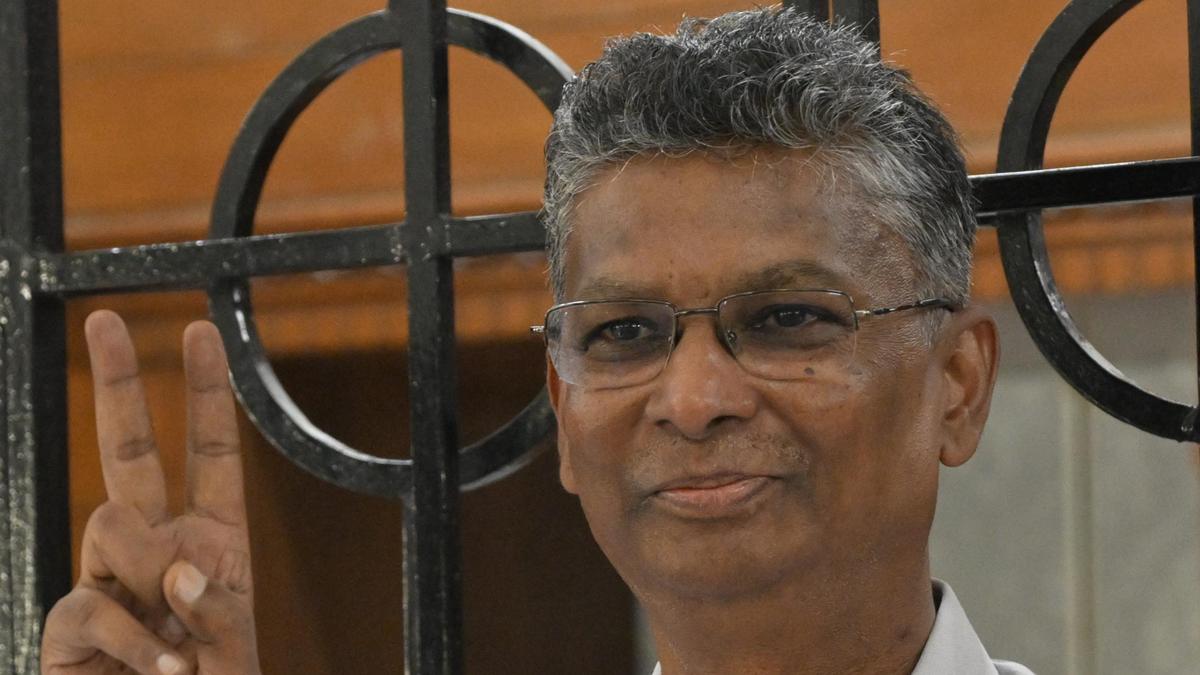
No question of ignoring former CM, says Satish Jarkiholi
Analysis of Leadership Continuity in Karnataka Politics
In a significant declaration regarding the future trajectory of state governance, Minister Satish Jarkiholi has publicly affirmed that the party will face the 2028 elections under the leadership of Chief Minister Siddaramaiah. This statement serves as a critical signal of internal cohesion and strategic planning, aimed at silencing rumors of leadership instability or potential shifts in the party's hierarchy. By projecting a vision that extends to 2028, the administration is attempting to establish a narrative of long-term stability and confidence in the current executive leadership.
Strategic Implications of Leadership Affirmation
The explicit mention of the 2028 elections is a calculated political move. In the volatile landscape of regional politics, where leadership challenges are common, such a definitive statement by a senior minister like Satish Jarkiholi acts as a deterrent to internal dissent. By anchoring the party's future to Siddaramaiah, the leadership is attempting to consolidate its base and ensure that party workers remain aligned with the current administration's goals without the distraction of leadership contests.
Balancing Factional Interests
Crucially, Jarkiholi's remark that there is "no question of ignoring former CM" highlights the delicate balancing act required to maintain harmony within the party. Political parties often struggle with the transition between old and new guards, or the management of former leaders who still command significant influence over specific voter demographics. By explicitly stating that former leadership remains valued, the party is attempting to mitigate the risk of factionalism and ensure that veteran leaders do not feel marginalized, which could otherwise lead to defections or internal sabotage.
Historical Context and Voter Perception
Siddaramaiah has historically been viewed as a mass leader with a strong grip on the rural and minority vote banks in Karnataka. The decision to double down on his leadership for the next election cycle suggests that the party believes his brand of politics remains the most viable path to victory. This strategy leverages his established public persona and administrative experience to present a reliable alternative to the opposition, framing the current leadership not as a temporary arrangement but as a sustained political project.
Future Trends and Challenges
Looking toward 2028, the party's success will depend on its ability to translate this public display of unity into tangible governance results. While leadership affirmations provide a psychological boost to the party cadre, the actual electoral outcome will be decided by the implementation of key promises and the management of state resources. The challenge will be to maintain this unity as the election approaches, especially if internal pressures for generational shifts in leadership intensify.
Conclusion
Ultimately, Minister Satish Jarkiholi's statement is more than a simple endorsement; it is a strategic maneuver to secure the party's internal structure. By combining a firm commitment to Siddaramaiah's leadership with a reassuring nod to former leaders, the party is attempting to build a unified front. This approach aims to project strength and continuity to the electorate, positioning the current administration as the definitive force in Karnataka's political future.
Verification Required?