United Airlines' new upsell: Keeping other travelers out of the middle seat
Source Entity
US Top News and Analysis
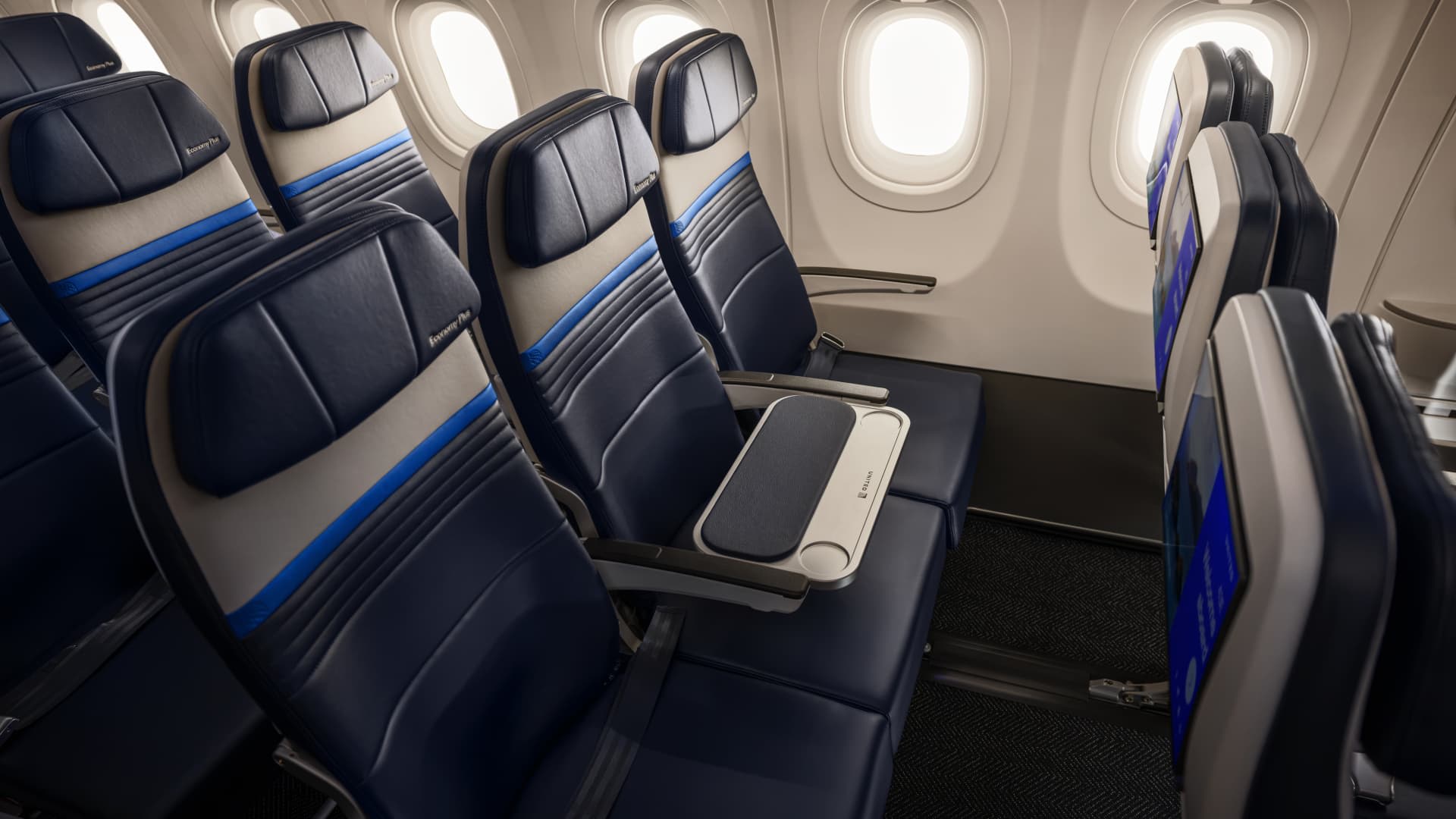
United Airlines will allow customers to pay more to keep the middle seat open on its Airbus A321XLRs
The Monetization of Personal Space: Analyzing United Airlines' Middle Seat Upsell
United Airlines has announced a strategic shift in its cabin management and pricing strategy by introducing a paid option to keep the middle seat open on its new Airbus A321XLR fleet. This move represents a sophisticated evolution in 'ancillary revenue'—the industry term for fees charged beyond the base ticket price. By offering a guaranteed empty seat, United is effectively selling a luxury commodity: physical distance and privacy in an increasingly crowded aviation landscape.
The Strategic Role of the Airbus A321XLR
The decision to launch this specific upsell on the Airbus A321XLR is not coincidental. The A321XLR (Extra Long Range) is designed for long-haul, narrow-body operations, meaning passengers are confined to a single-aisle aircraft for significantly longer durations than on standard domestic flights. The psychological toll of being sandwiched between two strangers is amplified over 8 to 10 hours of flight time. By targeting this specific aircraft, United is leveraging the inherent discomfort of long-range narrow-body travel to create a high-value proposition for passengers willing to pay for a 'buffer zone.'
The Psychology of the 'Middle Seat Dread'
From a consumer behavior perspective, the 'middle seat' is widely regarded as the least desirable position in any aircraft configuration. This creates a powerful emotional driver for the upsell. United is not merely selling a seat; it is selling the avoidance of a negative experience. This strategy mirrors the 'unbundling' trend seen across the travel industry, where every element of comfort—from checked bags to advanced seat selection—is stripped from the base fare and sold back to the consumer as a premium add-on.
Broader Implications for Airline Revenue Models
This initiative signals a deeper trend toward hyper-segmentation in airline pricing. We are seeing a widening gap between the 'Basic Economy' traveler, who accepts maximum density for the lowest price, and the 'Premium' traveler, who pays for exclusivity. By introducing a middle-seat buyout, United creates a new tier of comfort that doesn't require a full upgrade to Business Class, capturing revenue from a middle-market segment of travelers who want more space but cannot justify the cost of a lie-flat seat.
Competitive Landscape and Future Trends
If this model proves successful on the A321XLR, it is highly probable that other major carriers will adopt similar 'seat-blocking' fees. We may see the emergence of dynamic pricing for these buffers, where the cost to keep a middle seat open fluctuates based on the flight's load factor. In the long term, this could lead to airlines intentionally under-selling flights to leave gaps that can be auctioned off at the last minute to high-paying passengers, fundamentally changing how load factors are calculated and reported in the business sector.
Conclusion: The Cost of Comfort
United Airlines' new upsell is a calculated business move that transforms a logistical annoyance—the middle seat—into a profit center. While it provides an option for those seeking more privacy, it further underscores the trend of increasing costs for a standard level of comfort. As narrow-body aircraft like the A321XLR take over more long-haul routes, the battle for personal space will likely become one of the primary drivers of airline revenue growth.