‘Rs 7 lakh won’t bring justice’: Mumbai Mayor rejects BMC clean chit in Chembur tree death
Source Entity
Nayonika Bose
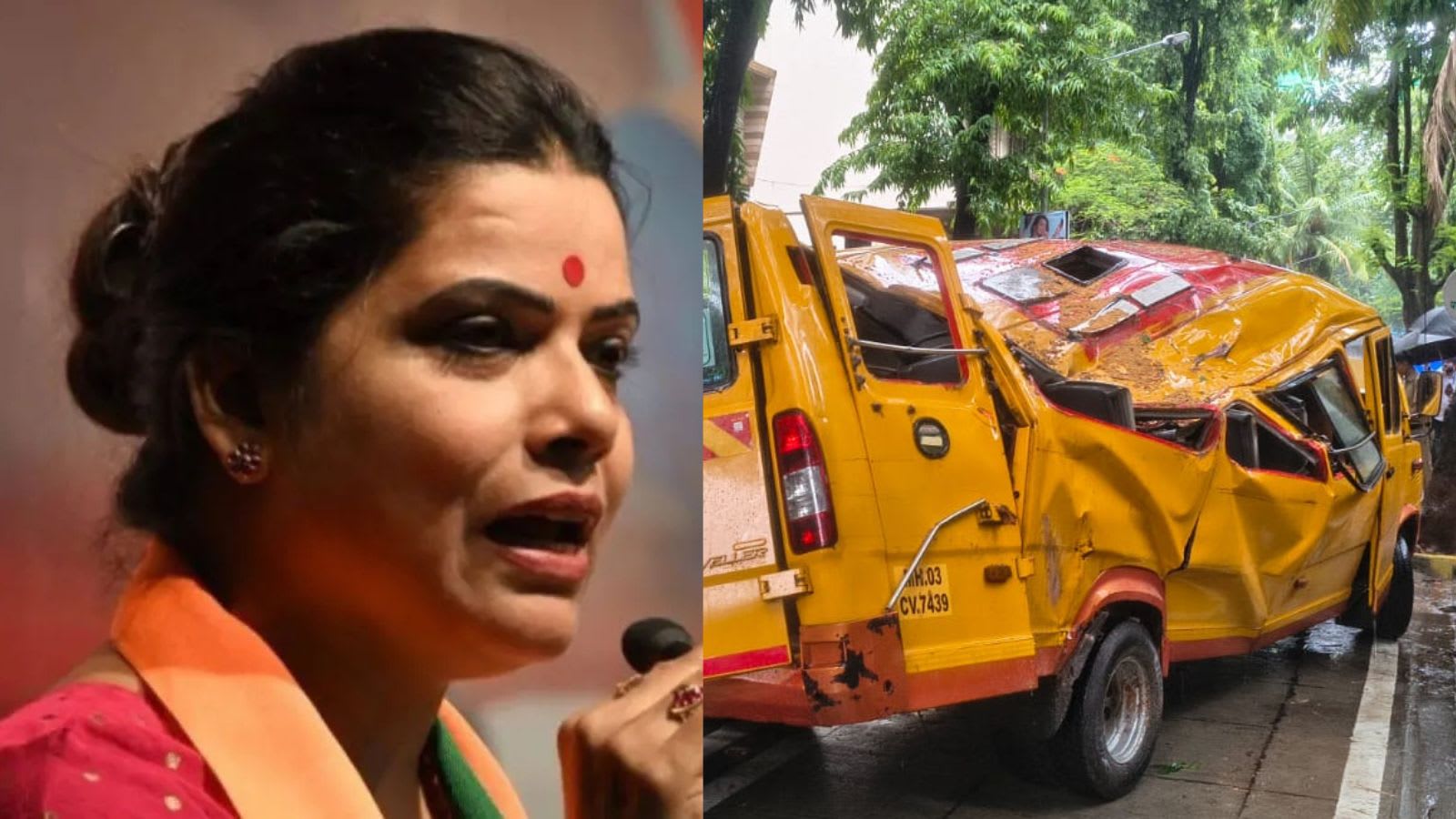
A day after the Brihanmumbai Municipal Corporation gave a clean chit to its garden and road departments over excavation work around a large Peepal tree that collapsed and killed an 11-year-old schoolb...
Accountability vs. Compensation: The Chembur Tree Tragedy
The tragic death of an 11-year-old schoolboy in Chembur, caused by the collapse of a massive Peepal tree, has ignited a fierce debate over municipal accountability and the ethics of administrative 'clean chits.' The incident occurred amidst excavation work conducted by the Brihanmumbai Municipal Corporation (BMC), raising critical questions about the safety protocols followed during urban infrastructure projects. While the BMC's internal investigation has sought to exonerate its road and garden departments, the Mumbai Mayor has stepped forward to challenge this narrative, emphasizing that the loss of a child's life cannot be mitigated by monetary payouts.
The Failure of Internal Oversight
At the heart of this controversy is the BMC's decision to issue a 'clean chit' to the departments responsible for the excavation work around the Peepal tree. In municipal administration, such exonerations often occur when internal probes fail to identify a specific individual or a singular breach of protocol, instead attributing the event to unforeseen circumstances. However, the fact that excavation was occurring in the immediate vicinity of a large, old tree suggests a potential failure in risk assessment. When road-widening or utility work compromises the root system of ancient trees, the structural integrity of the flora is severely undermined, turning a natural landmark into a lethal hazard for pedestrians and students.
Justice Beyond Monetary Compensation
The Mayor's poignant assertion that "Rs 7 lakh won’t bring justice" highlights a systemic tension between ex-gratia payments and actual legal accountability. In many high-profile negligence cases within urban governance, financial compensation is often used as a tool to quiet public outcry and close files. By rejecting the ₹7 lakh sum as a resolution, the Mayor is advocating for a shift from a 'compensation culture' to a 'responsibility culture.' This distinction is crucial; whereas compensation addresses the financial void left by a tragedy, justice requires a transparent admission of fault and the implementation of punitive measures against negligent officials to prevent recurrence.
The Urban Conflict: Infrastructure vs. Ecology
This event serves as a grim reminder of the ongoing conflict between Mumbai's aggressive infrastructure expansion and the preservation of its dwindling green cover. The Peepal tree, often revered and providing significant ecological value, became a casualty of urban development. The incident underscores a recurring pattern in Indian metros where excavation for roads, metro lines, or sewage systems is carried out with minimal regard for the biological stability of surrounding vegetation. The collapse in Chembur is not an isolated biological failure but a symptom of poor urban planning where the 'right of way' for machinery often overrides the 'right to safety' for citizens.
Legal Implications and Future Precedents
Moving forward, this case could set a significant precedent for how municipal negligence is handled in Mumbai. If the Mayor's push for a more rigorous investigation succeeds, it may force the BMC to move away from internal 'clean chits' and toward independent third-party audits for accidents involving public safety. There is an urgent need for a mandatory 'Tree Impact Assessment' before any excavation begins near heritage or large-canopy trees. Without such mandates, the risk of similar tragedies remains high as the city continues to dig deeper into its soil for modernization.
Summary of the Crisis
In conclusion, the Chembur tree collapse is more than a freak accident; it is a failure of administrative vigilance. The clash between the BMC's internal findings and the Mayor's demand for justice reflects a broader struggle for transparency in local governance. For the family of the deceased 11-year-old, the ₹7 lakh is a meager consolation. True justice will only be served when the specific lapses in the excavation process are identified, the responsible parties are held accountable, and the city adopts a more empathetic and scientific approach to integrating infrastructure with its natural environment.