Leak in gas pipeline during roadwork in Kerala capital sparks panic
Source Entity
India Latest News: Top National Headlines Today & Breaking News | The Hindu
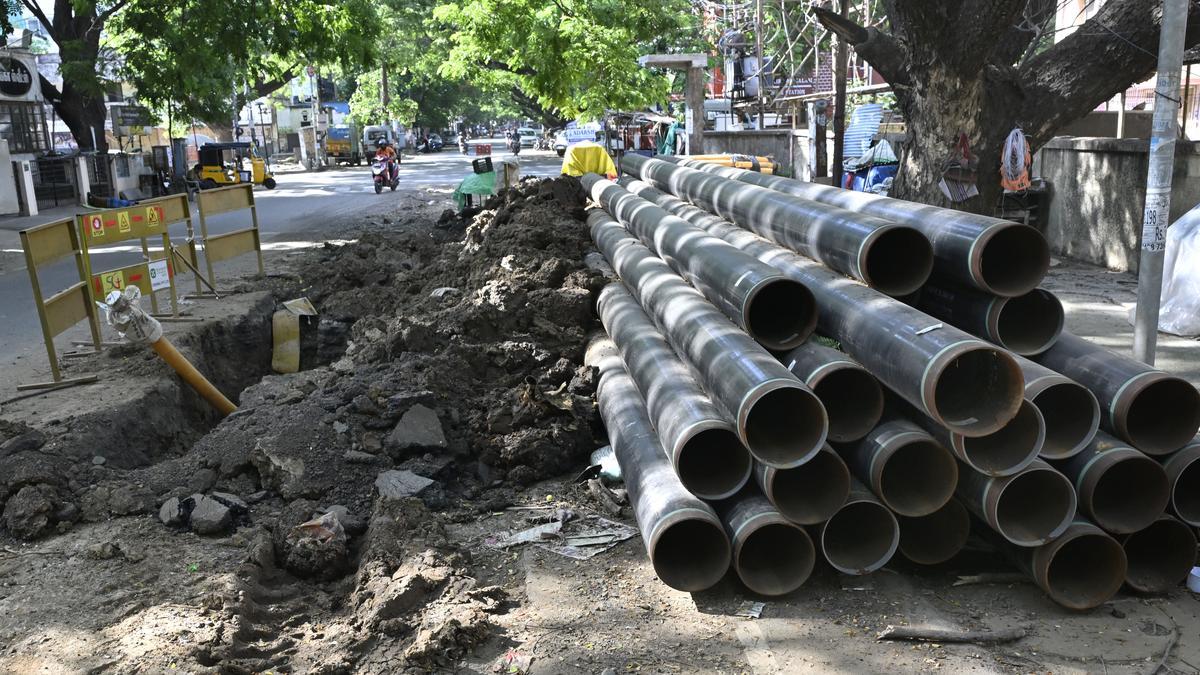
Leak occurrs on KIMS Road at Kumarapuram. It was soon brought under control. Officials confirm that there is presently no danger to the public
Gas Pipeline Leak in Thiruvananthapuram: Incident Analysis and Urban Infrastructure Risks
An unexpected gas pipeline leak occurred on KIMS Road at Kumarapuram in Thiruvananthapuram, the capital of Kerala, triggering immediate panic among local residents and commuters. The incident was reportedly triggered by ongoing roadwork in the area, highlighting the precarious nature of urban utility management when infrastructure upgrades are conducted without precise coordination or updated mapping of underground assets.
Immediate Impact and Emergency Response
The leak caused significant alarm in the Kumarapuram area, a region characterized by high traffic density and proximity to residential and commercial establishments. The sudden release of gas often creates an immediate psychological impact on the public, leading to panic and potential stampedes if not managed correctly. However, the response from the relevant authorities was swift; the leak was brought under control shortly after it was detected. Officials have since confirmed that the situation is stabilized and there is presently no danger to the general public, preventing what could have otherwise escalated into a major industrial accident.
The Intersection of Roadwork and Utility Safety
This event underscores a critical vulnerability in urban planning: the risk of "third-party damage" to underground utilities. In many developing urban centers, road expansion and maintenance projects often overlap with legacy pipeline networks. When roadwork is carried out without high-precision ground-penetrating radar (GPR) or updated utility maps, the risk of accidental punctures increases. The KIMS Road incident serves as a stark reminder that the physical act of digging can have catastrophic consequences if the exact coordinates of gas lines are not strictly adhered to by construction crews.
Broader Implications for Urban Infrastructure
Beyond the immediate panic, this incident brings into question the safety protocols governing utility maintenance in Kerala's capital. The proximity of the leak to KIMS Road—a vital artery in the city—suggests that any prolonged outage or accident could have paralyzed local transport and endangered nearby healthcare facilities. This highlights the necessity for a centralized, digital utility registry that allows contractors to see a real-time map of all underground gas, water, and electric lines before a single shovel hits the ground.
Future Trends and Preventative Measures
Moving forward, such incidents likely necessitate a shift toward more stringent "Call Before You Dig" policies and the mandatory use of non-destructive excavation techniques in high-risk zones. As Thiruvananthapuram continues to modernize its infrastructure, the integration of Smart City technologies—such as automated leak detection systems and remotely operated shut-off valves—will be essential to minimize human error during roadwork. The goal is to move from a reactive stance, where officials act after a leak is detected, to a proactive stance where the risk is eliminated through better planning.
Conclusion
While the Kumarapuram gas leak was resolved quickly and resulted in no injuries, it serves as a critical warning sign. The transition from panic to safety was achieved through efficient emergency response, but the root cause—accidental damage during roadwork—remains a systemic risk. Ensuring the safety of the public in Kerala's capital will require a concerted effort to synchronize urban development projects with the rigorous protection of critical utility infrastructure.
Verification Required?