Bengaluru: After footpath clearance drive, GBA to launch ‘Freedom from Waste’ campaign from August
Source Entity
India Latest News: Top National Headlines Today & Breaking News | The Hindu
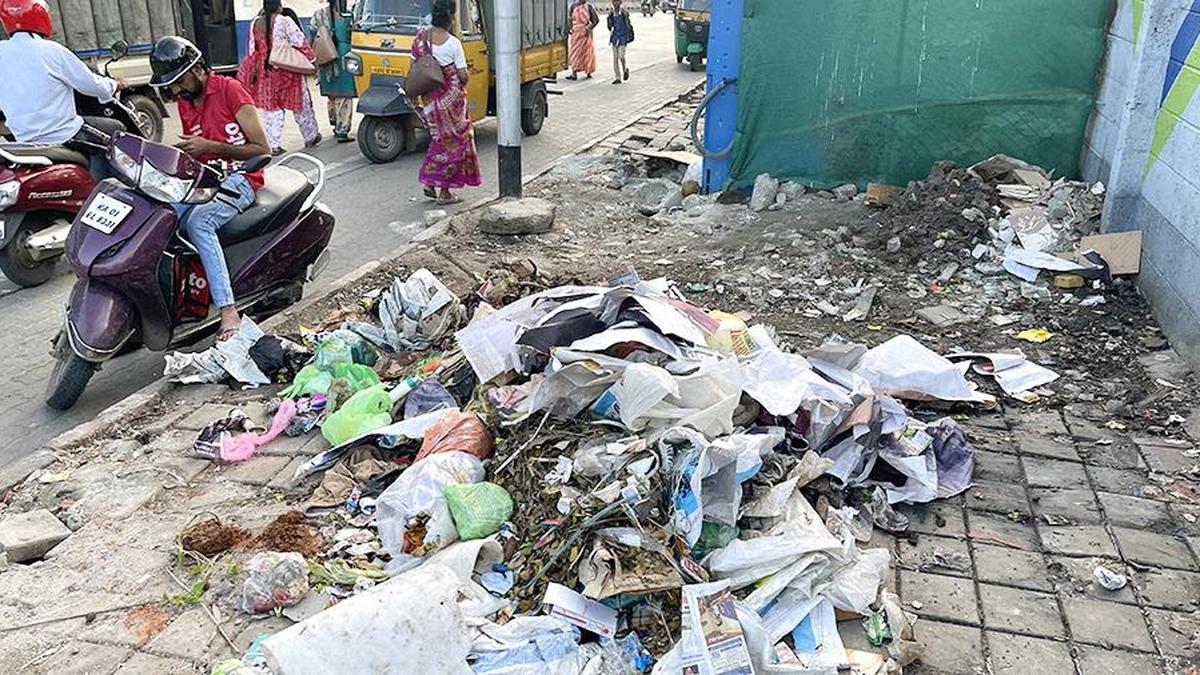
Following a successful footpath clearance drive to remove encroachments and abandoned vehicles, the GBA in Bengaluru is set to launch the 'Freedom from Waste' campaign starting in August to further enhance urban cleanliness.
Reclaiming the Streets: Bengaluru's Shift Toward Urban Renewal
Bengaluru, often referred to as the Silicon Valley of India, has long struggled with the pressures of rapid urbanization, resulting in congested arteries and neglected pedestrian infrastructure. The recent initiative by the GBA to conduct a comprehensive footpath clearance drive marks a critical first step in reclaiming public spaces. By systematically removing illegal encroachments and abandoned vehicles, the drive addresses a primary pain point for millions of commuters: the lack of safe, walkable pavements. This action is not merely about aesthetics but is a fundamental move toward improving pedestrian safety and reducing the spillover of foot traffic onto main roads, which further exacerbates the city's notorious traffic congestion.
From Physical Clearance to Environmental Sustainability
While the removal of physical obstructions provides immediate relief, the subsequent launch of the 'Freedom from Waste' campaign in August signifies a strategic transition from structural cleanup to environmental sustainability. The synergy between these two phases is crucial. Footpaths that are cleared of encroachments often become magnets for illegal dumping if a waste management strategy is not immediately implemented. By timing the 'Freedom from Waste' campaign to follow the clearance drive, the GBA is attempting to create a holistic cycle of urban maintenance—first creating the space, and then ensuring that space remains hygienic and usable for the public.
The Role of Community-Led Governance
This initiative highlights the growing importance of citizen-led organizations like the GBA in bridging the gap between government administration and ground-level execution. In a city where the Bruhat Bengaluru Mahanagara Palike (BBMP) often faces logistical challenges in maintaining every ward, community-driven campaigns provide the necessary pressure and partnership to ensure accountability. The focus on 'abandoned vehicles' is particularly telling; such vehicles often serve as hubs for waste accumulation and security risks. By targeting these specific nuisances, the GBA is employing a tactical approach to urban renewal that prioritizes high-impact, visible improvements.
Broader Implications for Urban Mobility
If successful, the 'Freedom from Waste' campaign and the preceding clearance drive could serve as a blueprint for other neighborhoods across Bengaluru. The broader implication is a shift toward 'Pedestrian-First' urban planning. For too long, Bengaluru's infrastructure has prioritized vehicular movement at the expense of the walker. Reclaiming footpaths is a prerequisite for any future efforts toward integrating 'last-mile connectivity' with the city's metro and bus networks. When citizens can walk safely and cleanly from a transit hub to their destination, the reliance on private vehicles decreases, potentially easing the city's overall carbon footprint.
Future Trends and Sustainability Challenges
Looking ahead, the primary challenge for the GBA will be the sustainability of these gains. Urban clearance drives often suffer from a 'rebound effect' where encroachments return once the intensity of the drive wanes. To prevent this, the 'Freedom from Waste' campaign must evolve into a permanent culture of civic responsibility. We can predict a trend toward 'Adopt-a-Street' models, where local businesses and residents take ownership of their immediate surroundings. The integration of digital reporting tools and strict municipal enforcement will be essential to ensure that the footpaths remain clear and waste-free in the long term.
Conclusion
The sequence of events—starting with the removal of abandoned vehicles and encroachments and culminating in the 'Freedom from Waste' campaign—represents a comprehensive approach to urban hygiene. By addressing both the physical and environmental barriers to mobility, the GBA is not just cleaning streets but is advocating for a higher quality of urban life in Bengaluru. The success of this August launch will likely determine whether this remains a localized effort or scales into a city-wide movement for a cleaner, more walkable metropolis.
Verification Required?