Trump reverses decision to impose 20% Hormuz fees in favour of Gulf investment deals
Source Entity
The Indian Express
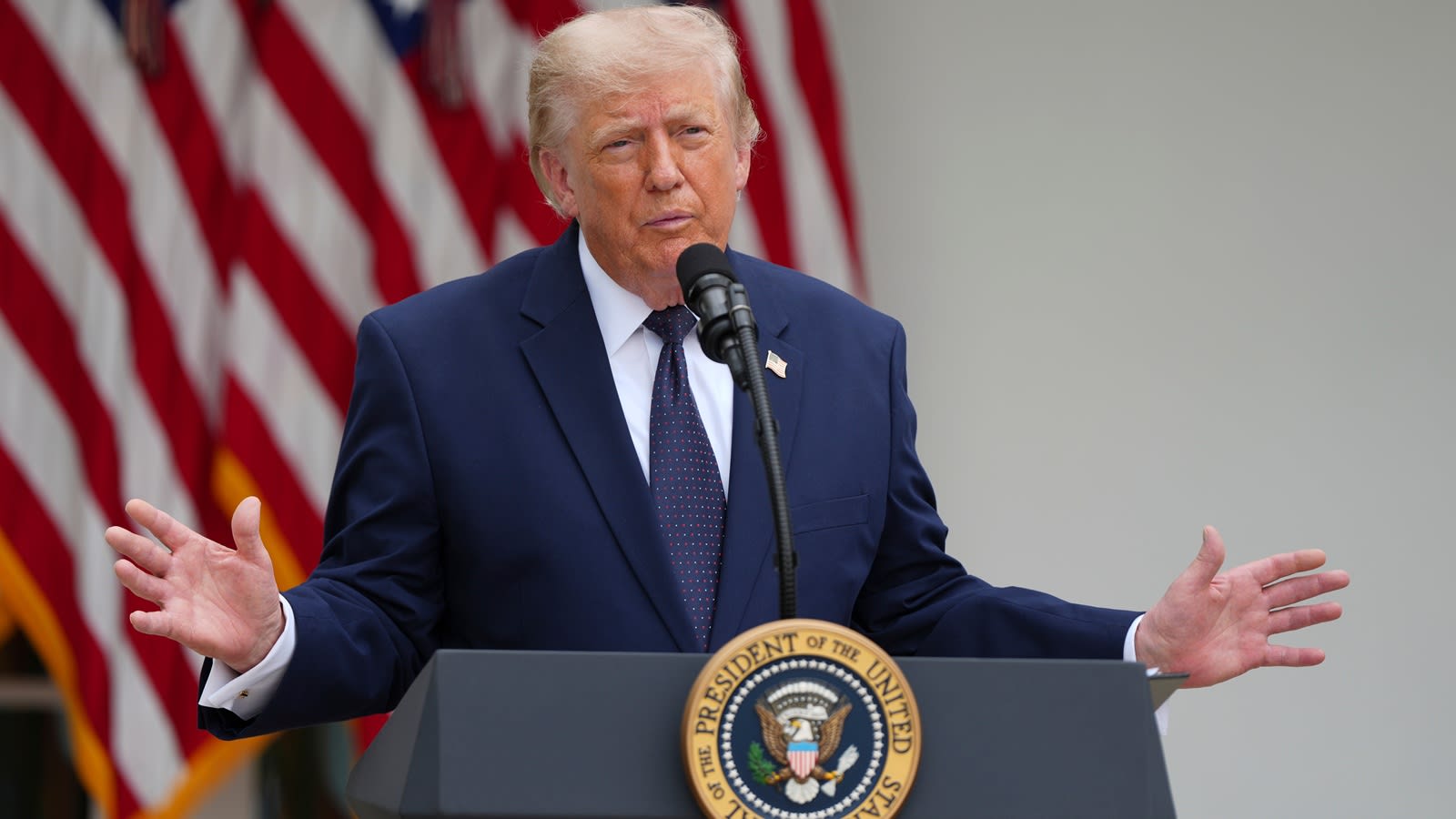
President Donald Trump has reversed his decision to impose a 20% fee on cargo shipping through the Strait of Hormuz, pivoting instead toward securing strategic investment deals with Gulf nations.
Strategic Pivot: Trump Abandons Hormuz Shipping Fees for Gulf Investments
In a significant shift in geopolitical strategy, President Donald Trump has reversed his previous mandate to impose a 20% fee on all cargo traversing the Strait of Hormuz. This decision marks a departure from a high-pressure tactical approach aimed at the conflict with Iran, moving instead toward a transactional diplomatic framework. By stepping back from this levy, the U.S. administration is prioritizing economic partnerships and direct investment from Gulf Cooperation Council (GCC) nations over a punitive maritime tax that threatened to destabilize global trade routes.
The Geopolitical Significance of the Strait of Hormuz
To understand the magnitude of this reversal, one must consider the critical role of the Strait of Hormuz. As the world's most important oil chokepoint, a vast majority of the global supply of petroleum passes through this narrow waterway. The initial proposal to impose a 20% fee was likely intended as a tool of "maximum pressure," designed to leverage the economic vulnerability of the region to force concessions from Iran. However, such a move carried the inherent risk of alienating key allies in the Gulf who rely on the unobstructed flow of goods and energy to sustain their own economies.
Transition to Transactional Diplomacy
The pivot toward "Gulf investment deals" reflects a broader pattern in the current administration's foreign policy, which often favors bilateral economic gains over multilateral sanctions or restrictive levies. By trading the threat of shipping fees for investment commitments, the U.S. is effectively converting a source of regional tension into a source of domestic economic growth. This approach suggests that the administration views direct capital inflows from the Gulf as a more sustainable and beneficial outcome than the volatile enforcement of maritime fees, which could have led to retaliatory measures or increased shipping costs globally.
Implications for Global Energy Markets
From an economic perspective, the threat of a 20% fee on Hormuz cargo would have likely sent shockwaves through global energy markets, potentially triggering a spike in crude oil prices and increasing the cost of consumer goods worldwide. The reversal provides a necessary sigh of relief for global markets, ensuring that the cost of transporting energy remains stable. This decision mitigates the risk of "cost-push inflation," where the increased cost of shipping would have been passed down to the end consumer, thereby protecting the global economy from an artificial price hike induced by political conflict.
Strengthening Alliances via Economic Incentives
Furthermore, this move likely serves to repair and strengthen ties with Gulf monarchies. While these nations share the U.S. goal of containing Iranian influence, they are wary of any policy that disrupts the commercial viability of their primary export routes. By replacing a punitive fee with a framework for investment, the U.S. reinforces its role as a strategic partner rather than a disruptive force in the region. This alignment is crucial for maintaining a cohesive front in the Middle East and ensuring that Gulf nations remain committed to U.S. security umbrellas.
Conclusion: A Calculated De-escalation
Ultimately, the reversal of the Hormuz fees represents a calculated de-escalation. While the conflict with Iran remains a central pillar of U.S. foreign policy, the administration has recognized that the economic collateral damage of a shipping levy outweighed its strategic utility. By pivoting toward investment deals, the U.S. secures tangible economic benefits while maintaining the stability of the world's most vital energy artery, effectively trading a short-term pressure tactic for long-term financial and diplomatic leverage.