Trump scraps threat of 20% fee on Hormuz cargo as US prepares to resume blockade of Iran ports
Source Entity
BBC News
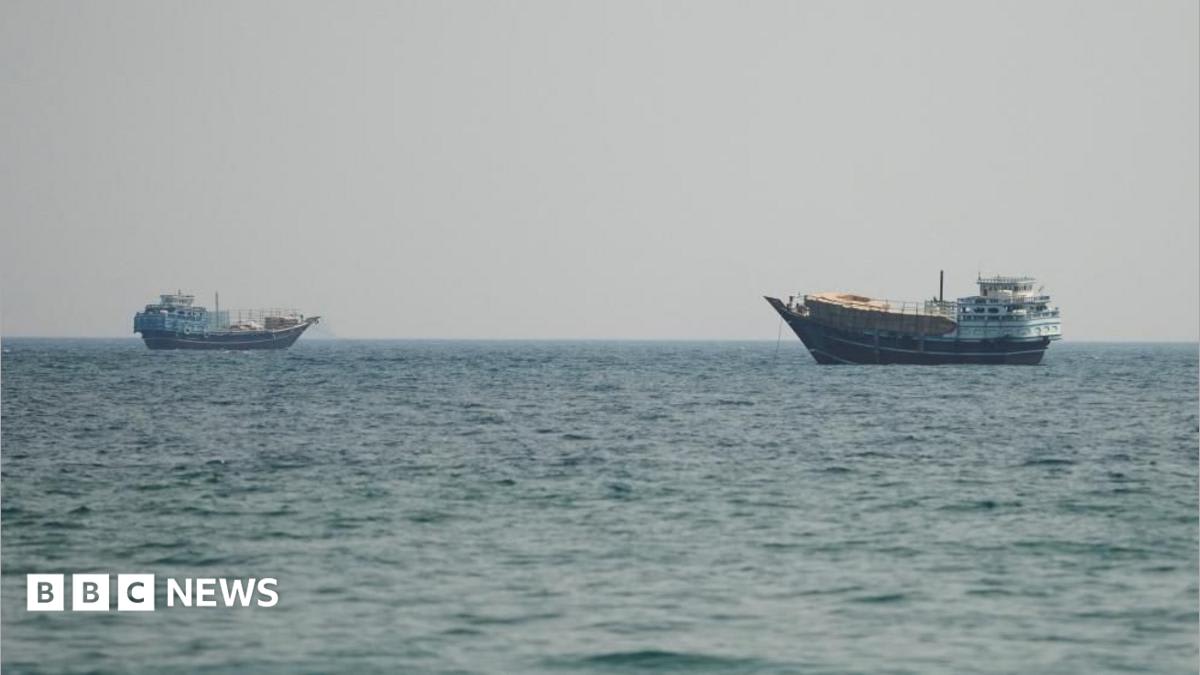
President Trump has reversed a short-lived proposal to impose a 20% fee on cargo ships utilizing the Strait of Hormuz, shifting the US strategy toward resuming a naval blockade of Iranian ports to challenge Iran's control over the strategic waterway.
Strategic Pivot in the Strait: Analyzing the US Shift from Economic Levies to Naval Blockades
The recent decision by the Trump administration to scrap a proposed 20% fee on cargo passing through the Strait of Hormuz, only 24 hours after its announcement, marks a significant tactical pivot in the ongoing confrontation between the United States and Iran. This rapid reversal suggests a calculated realization that an arbitrary transit fee would likely have caused catastrophic volatility in global energy markets and alienated key international shipping partners. By abandoning the fee, the US is attempting to avoid the label of an 'economic aggressor' against neutral commercial shipping while simultaneously doubling down on a more direct military and strategic approach: the resumption of a blockade on Iranian ports.
The Economic Risks of the Hormuz Fee
The proposal to charge a 20% fee on cargo in the Strait of Hormuz was an unprecedented move that would have fundamentally altered the economics of global oil transit. Given that a significant portion of the world's liquefied natural gas (LNG) and crude oil passes through this narrow chokepoint, such a levy would have likely triggered an immediate spike in global energy prices. Insurance premiums for maritime shipping would have skyrocketed, and the legal challenges regarding the freedom of navigation under international maritime law would have been immense. The decision to scrap the fee indicates a strategic move to keep the broader global economy stable while focusing the pressure specifically on the Iranian state rather than the global shipping industry.
Strategic Implications of the Resumed Blockade
By shifting focus toward a blockade of Iranian ports, the US is returning to a 'Maximum Pressure' campaign designed to physically and economically isolate Tehran. A blockade is a more targeted instrument of power than a general transit fee; it directly impacts Iran's ability to export its primary revenue source—oil—and import essential goods. This move is clearly intended to break Iran's perceived hold on the waterway, asserting US naval hegemony in a region where Iran has frequently used 'gray zone' tactics, such as the seizure of tankers and the deployment of fast-attack craft, to signal its influence.
Geopolitical Tensions and International Law
This escalation brings the US into a complex legal and diplomatic landscape. The Strait of Hormuz is governed by the UN Convention on the Law of the Sea (UNCLOS) and the right of 'transit passage.' A full-scale blockade of Iranian ports could be viewed by the international community as an act of war or a violation of sovereign maritime rights. However, from the US perspective, these actions are framed as necessary security measures to ensure the free flow of commerce and to deter Iranian aggression. The tension between maintaining international legal norms and executing a strategic blockade creates a precarious environment where a single miscalculation could lead to a direct military conflict.
Impact on Global Energy Security
The volatility surrounding the Strait of Hormuz inevitably ripples through the Brent and WTI crude oil benchmarks. Even without the 20% fee, the threat of a blockade creates a 'risk premium' in oil pricing. Market analysts expect increased volatility as traders hedge against the possibility of Iran retaliating by closing the Strait entirely—a 'nuclear option' for Tehran that would cripple global oil supplies. The US strategy is a high-stakes gamble: it bets that the blockade will force Iran to the negotiating table before Tehran decides to weaponize the waterway itself.
Future Trends and Predictions
Looking forward, the US is likely to increase its naval presence in the Persian Gulf, potentially coordinating more closely with regional allies like Saudi Arabia and the UAE to ensure a coalition-backed security framework. We can expect a cycle of 'tit-for-tat' escalations, where Iran may respond with cyberattacks or asymmetric naval warfare. Ultimately, the success of the blockade depends on whether the economic pain inflicted on Iran outweighs Tehran's willingness to risk a full-scale war. The abandonment of the cargo fee suggests that the US prefers a focused military-strategic squeeze over a broad economic tariff that could destabilize the global financial system.
Conclusion
In summary, the transition from a proposed transit fee to a targeted port blockade represents a refinement of US strategy in the Middle East. By removing the financial burden from neutral shipping and placing the pressure directly on Iranian infrastructure, the Trump administration is attempting to isolate Tehran while minimizing collateral damage to the global economy. However, the inherent instability of the Strait of Hormuz ensures that this strategy remains one of the most dangerous geopolitical gambles of the current era.