Public to be told how to prepare for cyber-attack and weather emergencies
Source Entity
BBC News
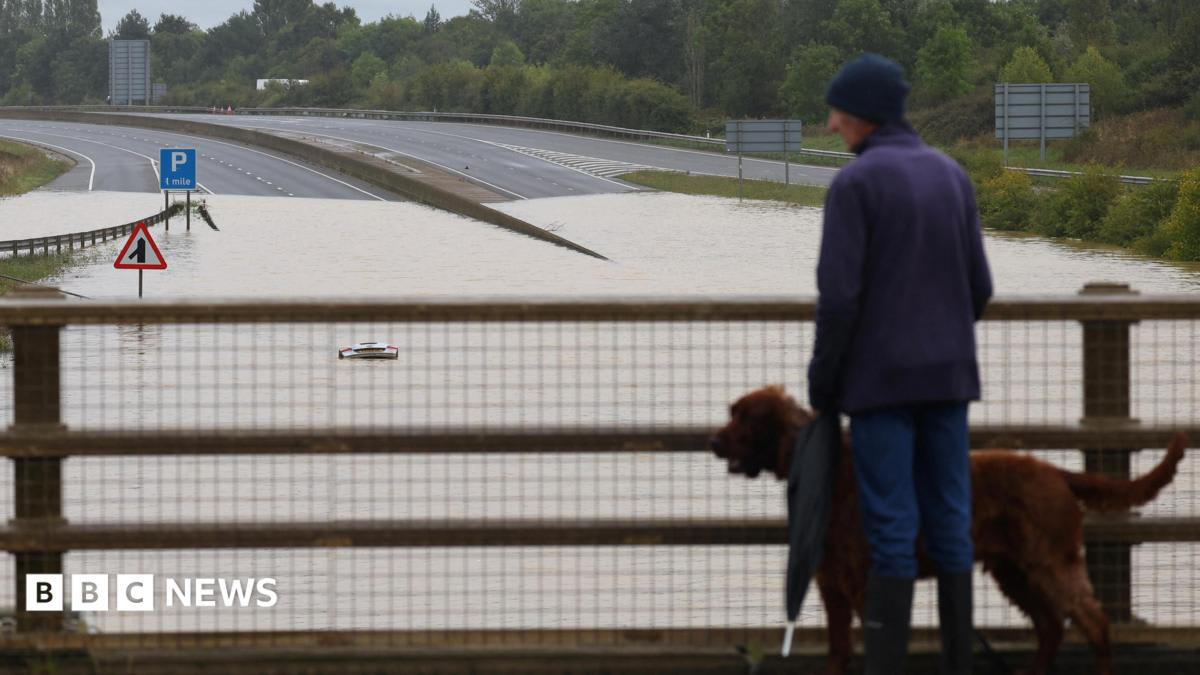
The government is updating its national resilience strategies to provide citizens with clear guidance on preparing for cyber-attacks and extreme weather events, emphasizing a shift toward proactive public readiness.
Strengthening National Defense: The Shift Toward Public Resilience
In an era defined by increasing global volatility, the government has announced a critical update to its national resilience plans. This initiative focuses on empowering the general public with the knowledge and tools necessary to withstand and recover from two of the most pressing modern threats: large-scale cyber-attacks and extreme weather emergencies. By shifting the narrative from state-led reaction to individual and community preparedness, the government aims to create a more robust societal safety net that can function even when centralized systems are compromised.
The Digital Frontier: Preparing for Cyber-Catastrophes
The inclusion of cyber-attack preparedness in national resilience plans highlights a growing recognition of the vulnerability of critical national infrastructure (CNI). Modern society relies heavily on interconnected digital systems for banking, energy, water, and healthcare. A sophisticated state-sponsored or criminal cyber-attack could potentially disable these services, leading to widespread chaos. By informing the public on how to prepare, the government is likely addressing the 'last mile' of resilience—encouraging citizens to maintain offline backups of essential documents, understanding manual alternatives for financial transactions, and practicing basic digital hygiene to prevent the spread of malware during a crisis.
Climate Volatility and Weather Emergencies
Simultaneously, the focus on weather emergencies reflects the escalating frequency and intensity of climate-related disasters. From flash flooding and unprecedented heatwaves to severe winter storms, the physical environment is becoming less predictable. The government's updated guidance is expected to move beyond simple warning systems to provide actionable strategies for household readiness. This likely includes the promotion of emergency kits, the establishment of family communication plans, and guidance on how to secure homes against environmental hazards. This approach acknowledges that while the state can provide emergency services, the first few hours of any disaster are critical and rely heavily on individual autonomy.
The Philosophy of National Resilience
This strategic pivot represents a broader shift in governance philosophy. Historically, national security was viewed as the sole responsibility of the military and emergency services. However, the concept of 'National Resilience' recognizes that the state cannot be everywhere at once during a systemic failure. By educating the public, the government is effectively distributing the burden of readiness. This 'whole-of-society' approach ensures that the population is not merely a passive recipient of aid but an active participant in the nation's survival and recovery process, thereby reducing the strain on emergency responders during the peak of a crisis.
Balancing Transparency and Public Anxiety
One of the most complex aspects of this rollout will be the communication strategy. Providing detailed instructions on how to prepare for 'the worst' can inadvertently trigger public anxiety or panic if not handled with precision. The government must balance the need for transparency—ensuring citizens are not blindsided by a disaster—with the need to maintain social stability. The success of these resilience plans will depend on whether the guidance is perceived as a pragmatic toolkit for empowerment or an ominous warning of imminent collapse. Clear, calm, and evidence-based communication will be paramount in ensuring the public adopts these measures without succumbing to fear.
Future Trends in Civil Defense
Looking ahead, these updates likely signal a move toward a permanent state of readiness. We can expect to see further integration of technology, such as AI-driven early warning systems delivered directly to smartphones, and the creation of community-led resilience hubs. As threats evolve—including the potential for hybrid warfare where cyber-attacks are timed to coincide with weather disasters—the government's ability to synchronize public behavior with state action will be the ultimate measure of national security. This initiative marks the beginning of a new chapter in civil defense, tailored for the complexities of the 21st century.
Summary
The government's move to update national resilience plans is a pragmatic response to the dual threats of digitalization and climate change. By providing the public with specific guidance on cyber and weather preparedness, the state is fostering a culture of self-reliance and community support. While the initiative carries the risk of increasing public anxiety, its long-term goal is to ensure that the nation remains functional and resilient in the face of systemic shocks.