Iran unexpectedly backs Trump’s plan to charge ships in Strait of Hormuz — then declares Tehran will collect the money
Source Entity
Yahoo Finance
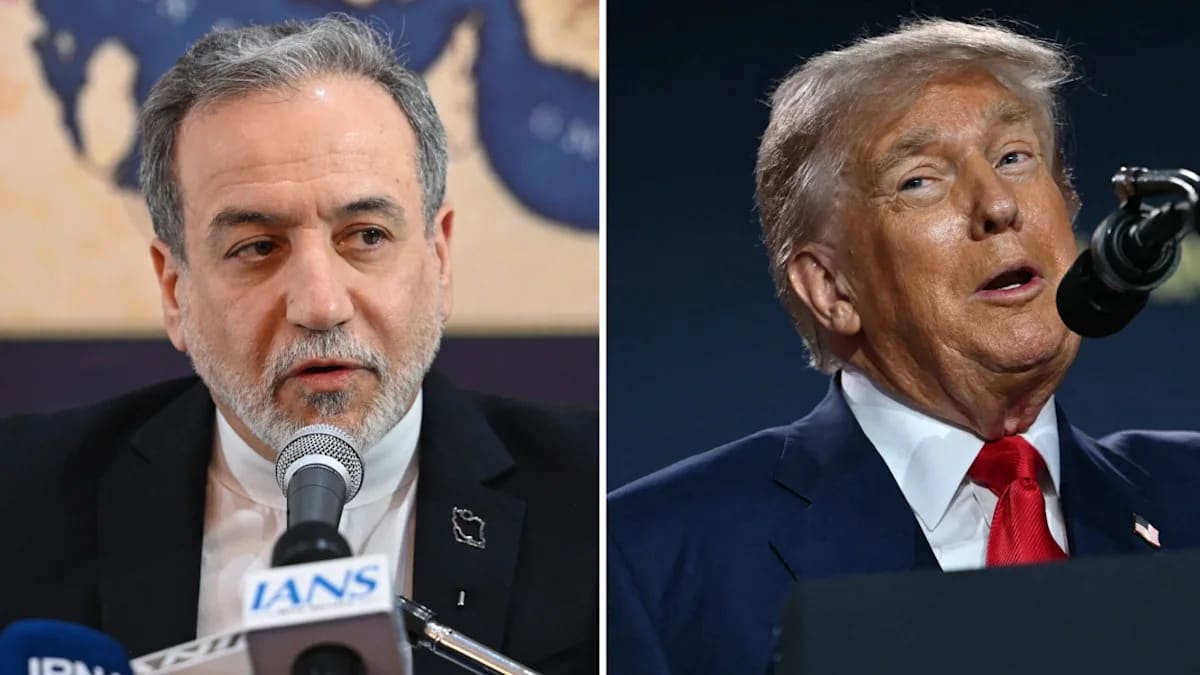
Iran has unexpectedly agreed with a proposal by the Trump administration to impose charges on ships passing through the Strait of Hormuz, but insists that Tehran, not the US, should be the entity to collect the fees.
The Battle for the Strait: A Geopolitical Tug-of-War
The Strait of Hormuz is one of the world's most critical maritime chokepoints, serving as the primary artery for global oil exports from the Persian Gulf to the rest of the world. The recent development where Iran has unexpectedly backed a proposal by the Trump administration to charge ships passing through this corridor—while simultaneously declaring that Tehran will be the one to collect the money—highlights the volatile and opportunistic nature of US-Iran relations. This move transforms a potential economic sanction or security measure into a bold assertion of regional sovereignty.
The Toll Dispute: A Battle of Legitimacy
The core of the current conflict lies not in the principle of the fee itself, but in the authority to levy and collect it. By agreeing to the concept of charging ships, Iran has pivoted from a position of outright opposition to a strategic claim of ownership. This maneuver effectively attempts to legitimize Iran's role as the "gatekeeper" of the Strait. By accepting the logic of the Trump administration's plan but claiming the revenue, Tehran is attempting to use Washington's own policy framework to secure a steady stream of income and formalize its control over the waterway.
Global Economic Ramifications
Any imposition of tolls in the Strait of Hormuz would have immediate and profound effects on the global energy market. Given that a significant portion of the world's liquefied natural gas (LNG) and crude oil passes through this narrow strip of water, any additional costs would likely be passed down to global consumers. Beyond the direct cost of the toll, the uncertainty regarding who is authorized to collect these fees could lead to a spike in maritime insurance premiums. Shipping companies are traditionally averse to legal ambiguity, and a dispute over toll collection could lead to redirected shipping routes or increased volatility in oil prices.
International Law and the Right of Transit
From a legal perspective, this dispute challenges established norms under the United Nations Convention on the Law of the Sea (UNCLOS). The principle of "transit passage" generally allows ships to move through straits used for international navigation without being subject to arbitrary charges. The proposal to charge ships, and Iran's subsequent claim to those funds, represents a significant departure from these international standards. It creates a legal paradox where the US proposes a financial mechanism, but Iran claims the territorial right to implement it, effectively challenging the concept of international waters in the region.
Strategic Posturing and Leverage
This disagreement is less about the actual monetary value of the tolls and more about strategic leverage. For the Trump administration, the initial plan likely served as a tool for economic pressure or a means to fund enhanced security operations in the region. For Tehran, agreeing to the "what" (the charge) but fighting over the "who" (the collector) is a masterstroke of diplomatic irony. It allows Iran to appear cooperative with a US proposal while simultaneously asserting a level of dominance that would normally be met with immediate US sanctions.
Future Trends: The Monetization of Geography
Looking forward, this standoff suggests a broader trend toward the "monetization of geography" in geopolitical conflicts. As traditional military deterrence becomes more costly and risky, nations may increasingly look toward economic levers—such as transit fees and resource tolls—to exert influence. If this dispute escalates, we may see increased naval tensions as both the US and Iran attempt to enforce their respective versions of the collection process, potentially leading to maritime skirmishes or the seizure of vessels.
Conclusion: A Precarious Equilibrium
In summary, the dispute over the Strait of Hormuz shipping charges is a microcosm of the broader power struggle between Washington and Tehran. By agreeing to the premise of the toll but claiming the right to collect it, Iran has entered a high-stakes game of brinkmanship. This situation not only threatens the stability of global trade but also signals a shift in how strategic chokepoints are contested in the 21st century, moving the battleground from purely military presence to economic administration.