Chief warder, two warders arrested for the death of a remand prisoner in Nagercoil jail
Source Entity
India Latest News: Top National Headlines Today & Breaking News | The Hindu
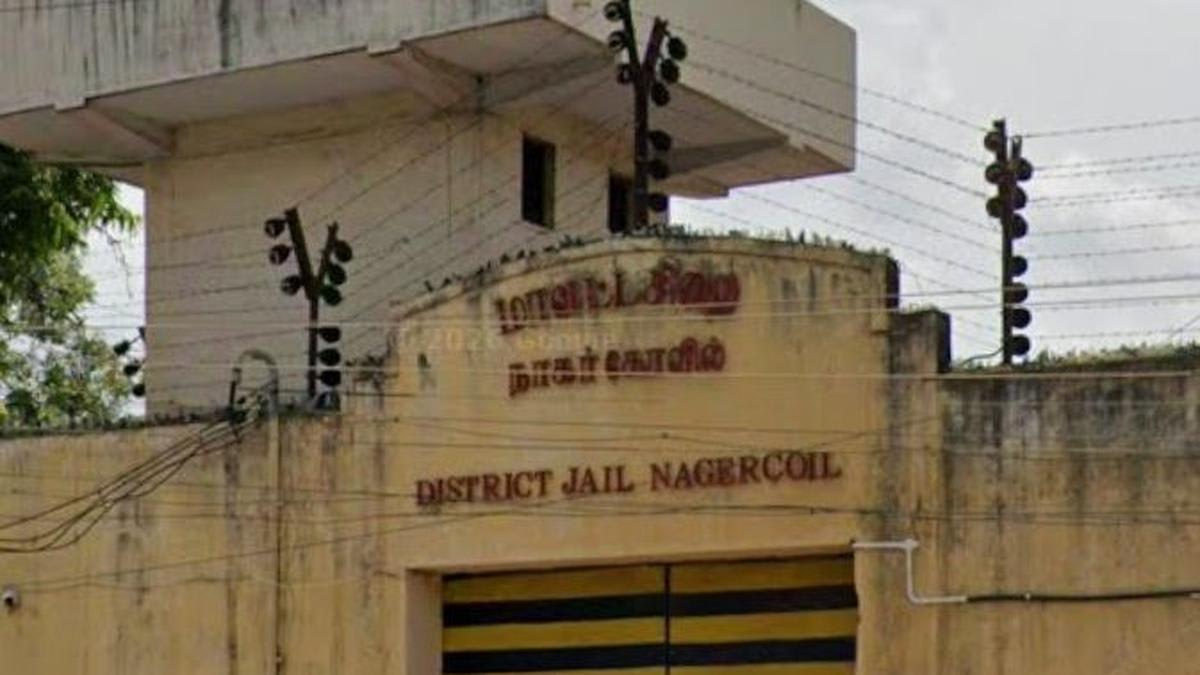
Three prison officials, including a chief warder, have been arrested in connection with the suspicious death of Sabari Varman, a differently abled remand prisoner in Nagercoil jail who was detained for gutka possession.
Custodial Tragedy in Nagercoil: Analysis of the Death of Sabari Varman
The arrest of a chief warder and two other prison officials in Nagercoil marks a grave escalation in the investigation into the death of Sabari Varman. Varman, a 34-year-old resident of Eeththankaadu, was a differently abled individual who found himself trapped in the legal system following an arrest on July 9 for the possession of banned gutka. The timeline is particularly jarring: within just three days of his remand, Varman died under circumstances that authorities have deemed suspicious, leading to the immediate crackdown on the jail staff responsible for his supervision.
The Disproportionate Nature of the Arrest
One of the most critical points of analysis in this case is the nature of the offense that led to Varman's incarceration. The possession of gutka, while banned in several Indian states, is generally treated as a minor regulatory or petty offense. The fact that a differently abled man was remanded in custody for such a minor infraction raises significant questions regarding the proportionality of the police response and the judicial decision to remand him. This disparity between the alleged crime and the eventual outcome—a suspicious death in custody—highlights a systemic failure in the early stages of the legal process.
Vulnerability and the Duty of Care
Sabari Varman's status as a differently abled person adds a layer of profound negligence to this incident. Prison environments are notoriously harsh and are rarely equipped with the necessary infrastructure or medical protocols to support inmates with disabilities. Under the law, the state owes a heightened 'duty of care' to vulnerable prisoners. The death of a disabled inmate under 'suspicious circumstances' strongly suggests that the specific needs of the prisoner were either ignored or that he was subjected to conditions that his health could not sustain, potentially pointing toward custodial negligence or violence.
Accountability and the Legal Fallout
The arrest of the chief warder and two subordinate warders indicates that the preliminary investigation found sufficient evidence of wrongdoing or dereliction of duty. In custodial death cases, the burden of proof often shifts toward the authorities to explain how a healthy (or documented) individual died while in the total control of the state. The arrest of the chief warder, specifically, suggests a failure in leadership and oversight within the Nagercoil facility, implying that the conditions leading to Varman's death may have been known or permitted by the administration.
Broader Implications of Custodial Deaths in India
This incident is not an isolated tragedy but fits into a broader, concerning pattern of custodial deaths across India. Such events often trigger interventions from the National Human Rights Commission (NHRC) and call for stricter adherence to the guidelines laid down by the Supreme Court regarding the rights of prisoners. The Nagercoil case underscores the urgent need for independent monitoring of remand centers and the implementation of mandatory medical screenings for all inmates, especially those with pre-existing disabilities, to prevent such avoidable fatalities.
Conclusion
The death of Sabari Varman is a stark reminder of the fragility of human rights once an individual enters the correctional system. The swift arrest of three jail officials is a necessary step toward justice, but the case opens a larger conversation about the treatment of differently abled citizens within the criminal justice system. Moving forward, this case will likely serve as a litmus test for the Tamil Nadu prison administration's commitment to transparency and the protection of vulnerable inmates.
Verification Required?