Contractors booked for forcing couple into bonded labour for four years in Hyderabad
Source Entity
India Latest News: Top National Headlines Today & Breaking News | The Hindu
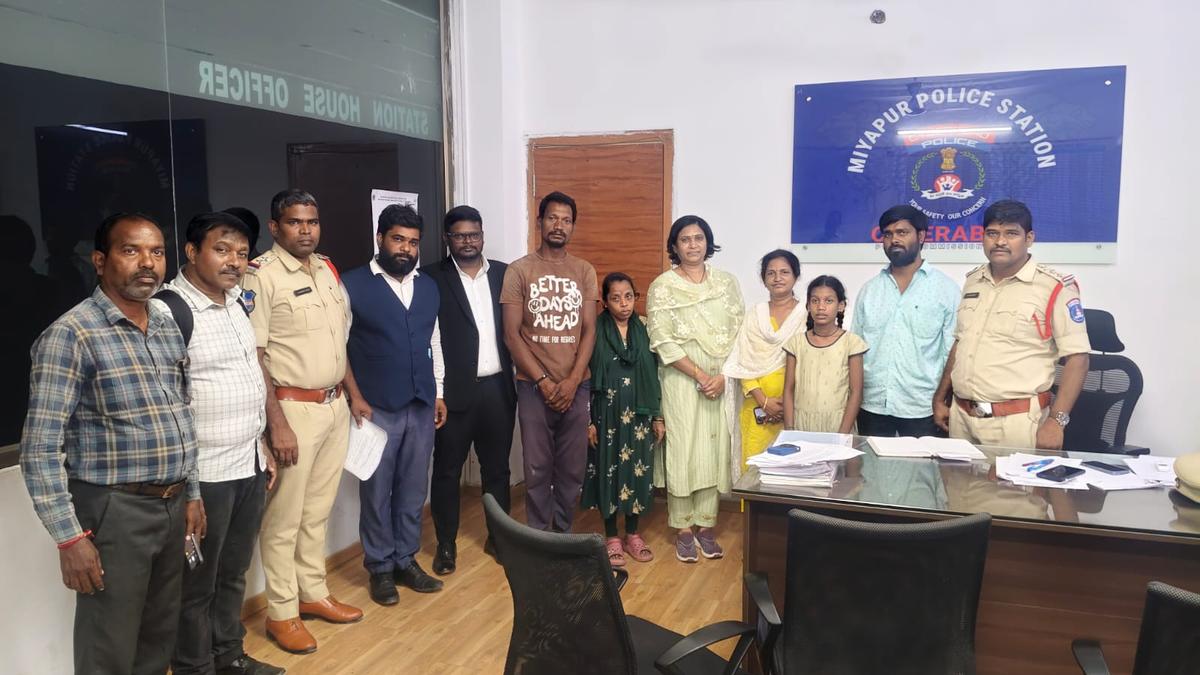
Two contractors in Hyderabad have been booked by the Miyapur police for subjecting a couple to bonded labor for four years after the victims borrowed money for medical treatment, trapping them in a cycle of debt and confinement.
Human Rights Violation: The Tragedy of Bonded Labour in Hyderabad
In a harrowing instance of exploitation, the Miyapur police in Hyderabad have booked two contractors for forcing a couple into bonded labour for a period of four years. The victims, driven by desperation after borrowing funds to cover essential medical treatments, found themselves trapped in a predatory arrangement where their freedom was traded for the repayment of a debt. This case highlights a systemic failure in protecting vulnerable populations from predatory lending and labor exploitation within urban centers.
The Cycle of Debt Bondage
Debt bondage, or bonded labour, occurs when a person pledges their labor as security for a loan. In this specific case, the catalyst was a medical emergency—a common vulnerability in India where a lack of comprehensive health insurance often forces low-income families to turn to informal lenders. The contractors leveraged this financial desperation to not only ensure repayment but to effectively strip the couple of their autonomy. By confining them and forcing them to work without fair wages or freedom of movement, the contractors transformed a financial loan into a mechanism of modern-day slavery.
Legal Implications and the Bonded Labour System (Abolition) Act
The actions of the two contractors are a direct violation of the Bonded Labour System (Abolition) Act, 1976, which prohibits the practice of bonded labour in all its forms. The booking by the Miyapur police marks a critical step in the legal process, as bonded labor is treated as a serious criminal offense. Under Indian law, the liberation of bonded laborers involves not just their physical release, but also the legal discharge of the alleged debt. This case serves as a reminder that regardless of the initial agreement to repay a loan, any arrangement that restricts a person's freedom or forces them into involuntary servitude is illegal and punishable by law.
Urban Vulnerability and the 'Invisible' Workforce
While bonded labor is often associated with rural agricultural settings, this incident underscores the prevalence of such crimes in urban hubs like Hyderabad. The 'invisible' nature of contract labor in construction or domestic services allows these crimes to persist unnoticed for years. The couple's four-year confinement suggests a calculated effort by the contractors to isolate them from social support systems and legal aid. This highlights a critical need for better monitoring of labor contractors and the implementation of stricter registration processes for workers in the informal sector.
The Intersection of Healthcare and Exploitation
This event reveals a dangerous intersection between healthcare accessibility and labor exploitation. When medical treatment becomes a financial catastrophe, individuals are pushed toward high-interest informal loans. The fact that this couple was forced into bondage due to medical debt suggests that healthcare instability is a primary driver of modern slavery. To prevent such occurrences, there is an urgent need for expanded social safety nets and affordable healthcare initiatives that prevent the poor from falling into the clutches of predatory lenders who use debt as a tool for control.
Future Trends in Labor Enforcement
Moving forward, this case is likely to prompt a closer examination of labor practices by local authorities in Hyderabad. We can expect an increase in police scrutiny of small-scale contractors and a potential push for community-based reporting systems to identify victims of confinement. Furthermore, the digitalization of labor records and the push for formalizing the workforce may reduce the anonymity that contractors rely on to maintain bonded labor arrangements. The legal outcome of this case will be pivotal in deterring other contractors from employing similar coercive tactics.
Conclusion
The rescue of the couple and the booking of the contractors by the Miyapur police is a victory for justice, but it exposes a deeper societal wound. The transition from a medical crisis to four years of forced labor is a stark reminder of the fragility of rights for the marginalized. Ensuring that such atrocities are not repeated requires a multi-pronged approach: strict enforcement of the Abolition Act, improved access to emergency healthcare, and a societal commitment to eradicating the remnants of bonded labor from the modern economy.
Verification Required?