68% of SIR forms distributed in Maharashtra; Mumbai, Pune, Thane lag
Source Entity
Soham Shah
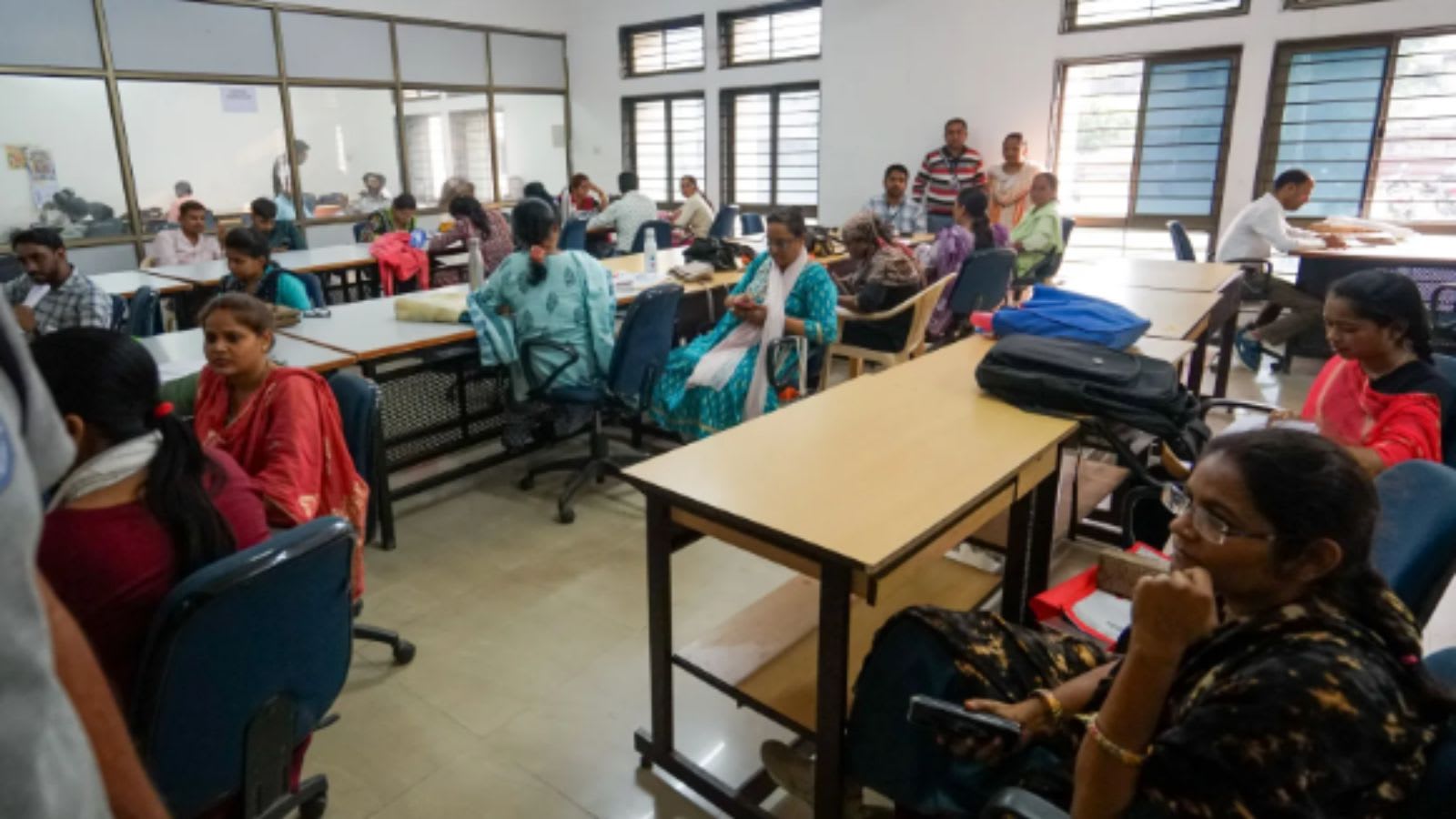
Maharashtra has distributed 68.62% of Special Intensive Revision (SIR) enumeration forms as of July 14, with significant delays noted in urban centers including Mumbai, Pune, and Thane.
Analysis of Special Intensive Revision (SIR) Progress in Maharashtra
As of July 14, the state of Maharashtra has reached a critical juncture in its Special Intensive Revision (SIR) process, with Booth Level Officers (BLOs) having distributed 68.62% of the required enumeration forms. While the overall percentage suggests a steady progression toward the goal, the distribution is markedly uneven. The report highlights a concerning trend where major urban agglomerations—specifically Mumbai, Pune, and Thane—are lagging behind the rest of the state. This disparity indicates a systemic friction in the enumeration process within high-density urban environments compared to rural or semi-urban areas.
The Logistical Burden on Booth Level Officers (BLOs)
To understand the significance of the 68.62% figure, one must analyze the role of the Booth Level Officer (BLO). BLOs serve as the primary bridge between the election administration and the citizenry, tasked with the grueling work of door-to-door verification and form distribution. The current lag in Mumbai, Pune, and Thane is likely a reflection of the unique logistical challenges these cities present. In these metropolitan hubs, BLOs often face barriers such as gated communities, high-rise security protocols, and a highly transient population that is difficult to track. The physical distribution of forms in these environments is significantly more time-consuming than in village settings, where community structures are more cohesive and accessible.
Urban Lag and the Risk of Under-Representation
The failure of Mumbai, Pune, and Thane to keep pace with the state average is not merely an administrative delay; it carries significant political implications. These three cities represent the economic and political heart of Maharashtra. If enumeration forms are not distributed and processed in a timely manner, there is a heightened risk of voter disenfranchisement. Incomplete rolls lead to the exclusion of eligible new voters and the failure to remove deceased or relocated individuals, which can skew electoral data. When urban centers lag, the resulting gaps in the voter list can lead to chaos on polling days and potential legal challenges regarding the legitimacy of the electoral rolls.
Historical Context of Electoral Roll Revisions
Special Intensive Revisions are a cornerstone of democratic maintenance. Historically, these drives are conducted to ensure that the 'living record' of the electorate is accurate. In previous cycles, Maharashtra has struggled with 'ghost voters' and outdated addresses, particularly in rapidly expanding urban corridors. The current SIR is an attempt to rectify these historical inaccuracies. By focusing on an 'intensive' revision rather than a 'summary' one, the administration is attempting a more thorough cleaning of the rolls. However, the current data suggests that the 'intensive' nature of the work is clashing with the practical realities of urban sprawl.
Predicting Future Trends: Digitalization vs. Physical Enumeration
Looking forward, the struggle to reach 100% distribution in urban centers will likely accelerate the push toward the digitalization of the enumeration process. The reliance on physical forms distributed by BLOs is becoming increasingly inefficient in the face of rapid urbanization. We can predict a shift toward integrated mobile applications and online verification portals where citizens can update their details without the need for a physical visit from a BLO. While the current SIR process remains anchored in physical distribution, the bottlenecks observed in Mumbai and Pune will serve as a case study for the necessity of a 'digital-first' approach to electoral roll maintenance in future cycles.
Conclusion
In summary, while Maharashtra has made substantial progress by distributing nearly 69% of SIR forms, the urban lag in Mumbai, Pune, and Thane remains a critical vulnerability. The efficiency of the BLO network is being tested by the complexities of city living. To ensure a fair and inclusive democratic process, the administration must implement targeted interventions in these lagging districts to bridge the gap before the revision phase concludes. The outcome of this drive will ultimately determine the accuracy of the voter lists for upcoming electoral contests in the state.