Mere participation in violent protest, sloganeering against Government does not mean sedition: HC
Source Entity
Jagpreet Singh Sandhu
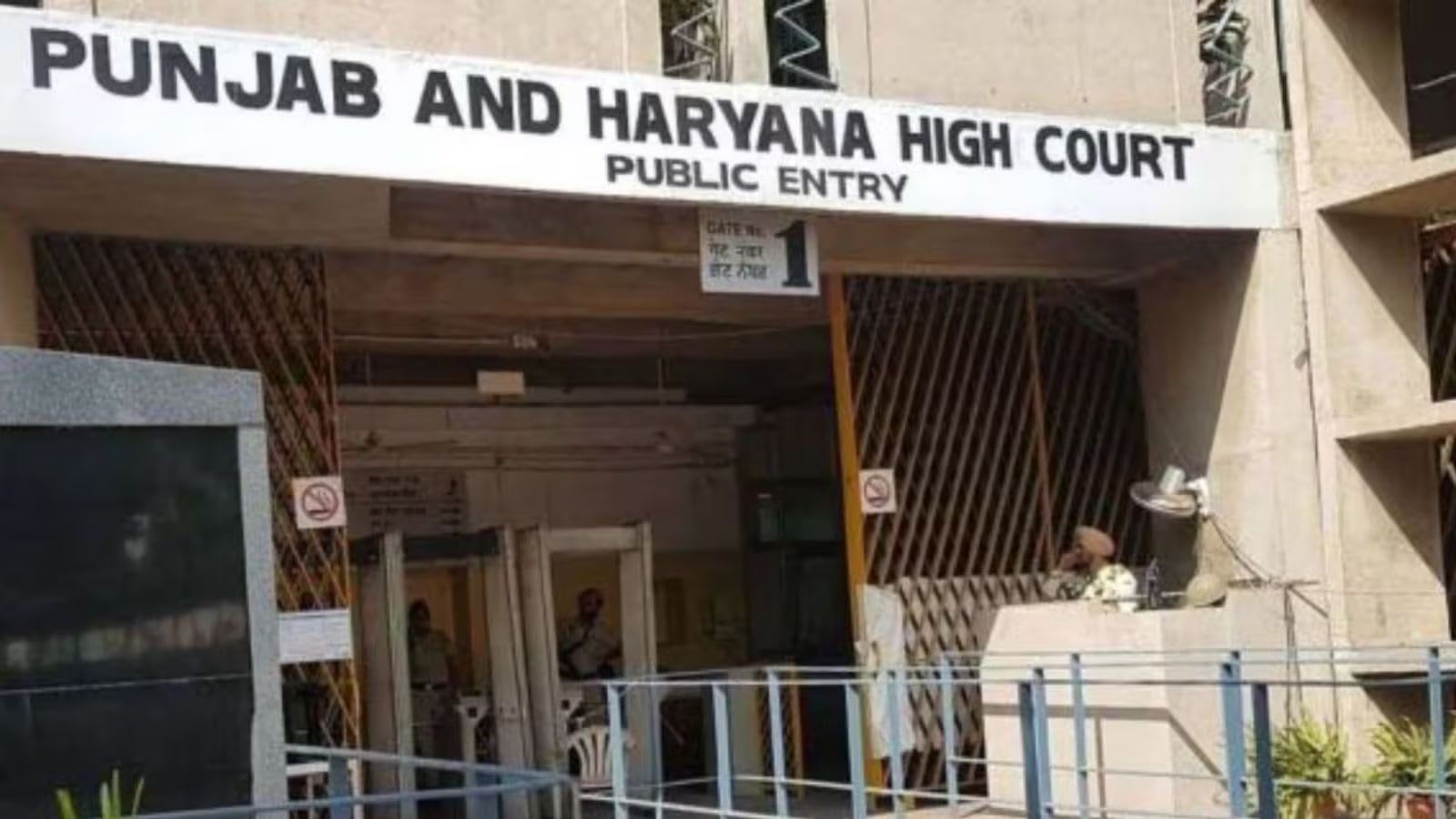
The Punjab and Haryana High Court has ruled that participating in violent protests and sloganeering against the government does not automatically constitute sedition, affirming that dissent is a fundamental aspect of an elected democracy.
Judicial Safeguards: Analyzing the High Court's Stance on Sedition and Dissent
In a significant reinforcement of civil liberties, the Punjab and Haryana High Court has observed that mere participation in violent protests, the raising of slogans against the government, or the expression of dissent does not inherently amount to sedition. This ruling serves as a critical legal boundary, distinguishing between aggressive political expression and actual attempts to overthrow the state. By emphasizing that these actions do not automatically qualify as sedition, the court has underscored the necessity of protecting the right to protest within the framework of an elected democracy.
The Legal Distinction Between Dissent and Sedition
The core of the court's analysis lies in the distinction between 'disaffection' towards a government and the 'incitement to violence' or 'public disorder' required to prove sedition. In many legal interpretations, sedition requires a clear intent to incite violence or create a state of anarchy. The court's observation suggests that while a protest may be labeled as 'violent' in a general sense, the act of participating in such a gathering or shouting slogans against the administration does not necessarily prove a conspiracy to undermine the sovereignty of the nation. This nuance is vital for preventing the overreach of state machinery in silencing political opponents.
Historical Context of Sedition Laws in India
To understand the weight of this ruling, one must look at the historical baggage of sedition laws in India, primarily Section 124A of the Indian Penal Code. This law is a colonial-era relic, originally introduced by the British to suppress the Indian independence movement and stifle the voices of freedom fighters. For decades, critics have argued that the law is overly broad and prone to misuse by successive governments to target activists, journalists, and students. The Punjab and Haryana High Court's stance aligns with a growing judicial trend to prune the application of this archaic law to ensure it does not clash with modern constitutional guarantees.
Implications for Democratic Expression
This ruling has profound implications for the health of Indian democracy. In an elected system, the ability of the citizenry to criticize the government—even harshly or through loud protests—is a primary mechanism for accountability. When the judiciary clarifies that sloganeering is not sedition, it creates a safer legal environment for political discourse. It signals to law enforcement agencies that the mere presence of a person at a volatile protest, or their vocal opposition to government policy, is not sufficient ground for the most severe charges of state-level treason.
Alignment with Broader Judicial Trends
This observation does not exist in a vacuum; it mirrors a broader shift within the Indian judiciary. The Supreme Court of India has previously expressed concerns regarding the misuse of sedition laws and has, in several instances, put the application of Section 124A on hold. By echoing these sentiments, the Punjab and Haryana High Court is contributing to a consistent legal narrative: that the state must tolerate a high degree of criticism and dissent to maintain its legitimacy as a democratic entity. This judicial synergy suggests that the threshold for proving sedition is being raised significantly across the country.
Future Trends in Legal Challenges
Looking forward, this ruling is likely to be cited in numerous pending cases involving activists and protesters. We can expect a trend where defense lawyers argue that 'mere participation' and 'sloganeering' are protected forms of speech, shifting the burden of proof onto the prosecution to demonstrate a specific, direct link to an act of terrorism or an attempt to violently overthrow the government. This will likely lead to a reduction in the number of individuals held in prolonged pre-trial detention under sedition charges, as courts demand more concrete evidence of intent.
Conclusion: A Victory for Civil Liberties
Ultimately, the Punjab and Haryana High Court's observation is a victory for the principle of free speech. By decoupling violent protest participation and sloganeering from the crime of sedition, the court has reaffirmed that dissent is not a crime but a democratic right. This ruling acts as a necessary check on state power, ensuring that the legal system is used to maintain order without extinguishing the flame of political expression that is essential for any functioning democracy.