Employees sue Meta, alleging discrimination in using AI to make layoffs
Source Entity
US Top News and Analysis
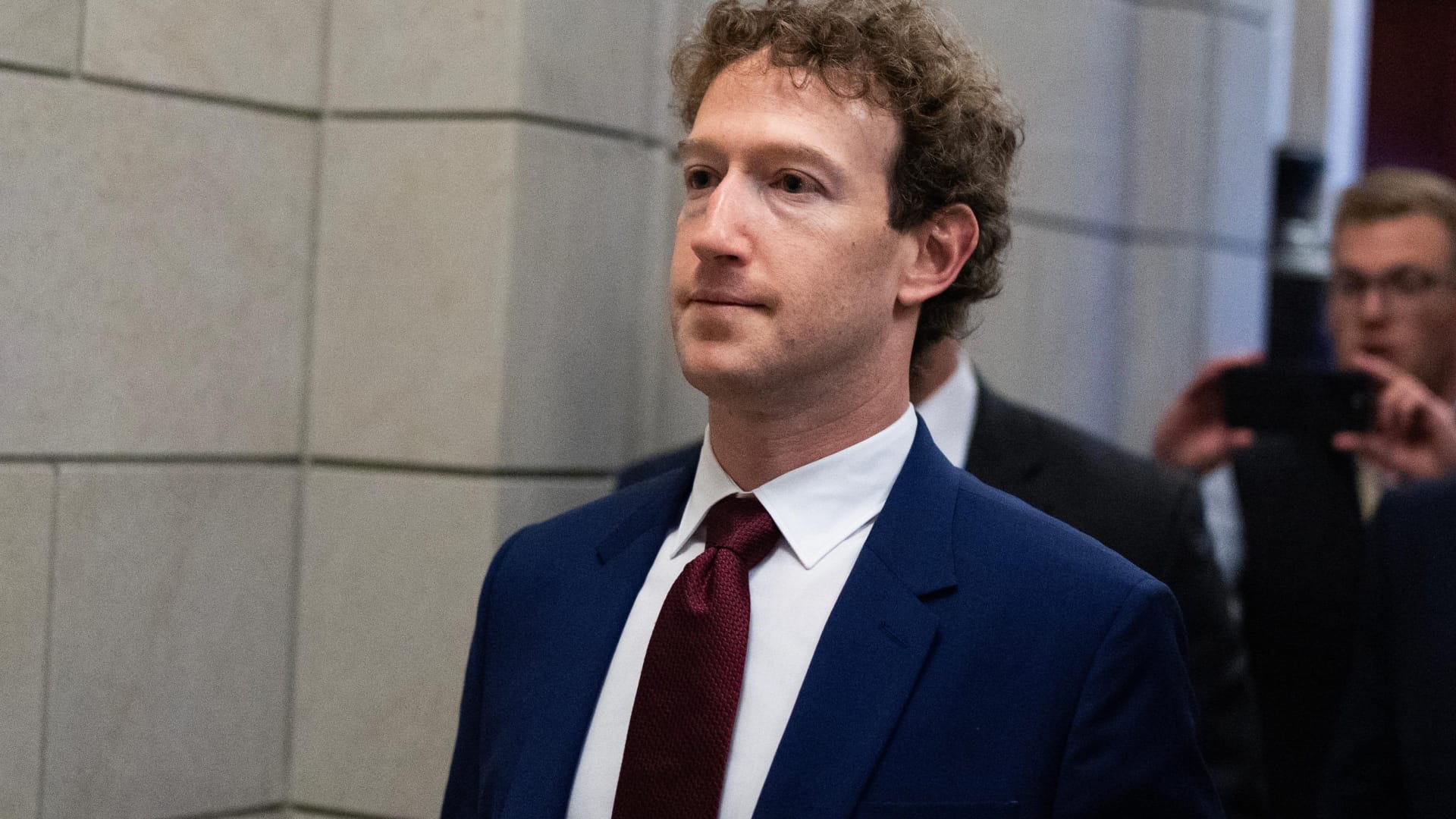
Current and former Meta employees have filed a lawsuit alleging that the company utilized AI tools to determine layoff selections, resulting in discriminatory outcomes specifically targeting employees with disabilities.
The Intersection of Algorithmic Efficiency and Employment Law
Meta is currently facing a significant legal challenge that highlights a growing tension in the modern corporate world: the balance between AI-driven operational efficiency and the legal protections afforded to employees. The lawsuit, filed by a group of current and former employees, alleges that Meta employed artificial intelligence to determine which staff members to terminate during layoff cycles. The core of the grievance is that these AI systems were not neutral, but instead produced discriminatory outcomes, particularly impacting individuals with disabilities. This case serves as a critical litmus test for how labor laws, designed for human decision-making, apply to automated systems.
The Mechanics of Algorithmic Bias in HR
At the heart of the allegations is the concept of "algorithmic bias." When companies use AI to evaluate employee performance or determine "essentiality" during layoffs, the AI typically relies on historical data and specific productivity metrics. However, if the training data or the metrics themselves are skewed toward a narrow definition of "high performance," the AI may inadvertently penalize employees who work differently. For employees with disabilities, who may require reasonable accommodations or exhibit different patterns of productivity that do not align with a standardized algorithmic model, the risk of being flagged for termination increases. This creates a systemic loophole where a company can claim a "data-driven" decision while effectively bypassing anti-discrimination laws.
Legal Implications and the "Black Box" Problem
This lawsuit brings to the forefront the "black box" problem of AI—the difficulty in auditing exactly how an algorithm arrives at a specific conclusion. In a traditional layoff, a manager's decision can be questioned and scrutinized through emails, performance reviews, and testimony. In contrast, when an AI makes the call, the reasoning is often buried in complex weights and neural networks that are opaque even to the developers. The plaintiffs are essentially arguing that Meta's reliance on these opaque systems allowed for discriminatory patterns to emerge unnoticed or ignored, potentially violating the Americans with Disabilities Act (ADA) and other labor protections that mandate fair treatment and reasonable accommodations.
Broader Industry Trends in Algorithmic Management
Meta is not alone in its adoption of algorithmic management. Across the tech industry, there is a growing trend of using AI for "people analytics" to optimize workforce composition. While these tools are marketed as a way to remove human subjectivity and bias, this lawsuit suggests they may simply automate and scale existing biases. The industry-wide push toward "leaner" operations, accelerated by the post-pandemic economic shift, has led many firms to prioritize speed in layoffs, often sacrificing the nuanced human review necessary to ensure equity. The outcome of this case will likely influence how other Big Tech firms deploy AI in their human resources departments.
Predicting the Future of AI Governance in the Workplace
Looking forward, this legal battle is likely to catalyze a demand for "algorithmic transparency" laws. We can expect a shift toward mandatory third-party audits of AI tools used for hiring and firing to ensure they do not disproportionately impact protected groups. Companies may be forced to implement "human-in-the-loop" requirements, where AI can provide recommendations, but a human must make the final decision and provide a documented, non-algorithmic justification for it. As AI continues to integrate into the corporate structure, the definition of "fairness" will need to be mathematically and legally redefined to protect worker rights.
Conclusion
The lawsuit against Meta is more than a dispute over lost jobs; it is a fundamental challenge to the unchecked use of AI in managing human lives. By alleging that AI was used to discriminate against employees with disabilities, the plaintiffs are forcing a conversation about the ethical boundaries of automation. Whether this results in a settlement or a landmark court ruling, the case underscores that efficiency cannot come at the cost of equity. The resolution will provide a critical blueprint for the future of employment law in an era where the boss might be an algorithm.