US eases Russia sanctions bill, cuts tariff threat on India and China from 500% to 100%
Source Entity
TOI BUSINESS DESK
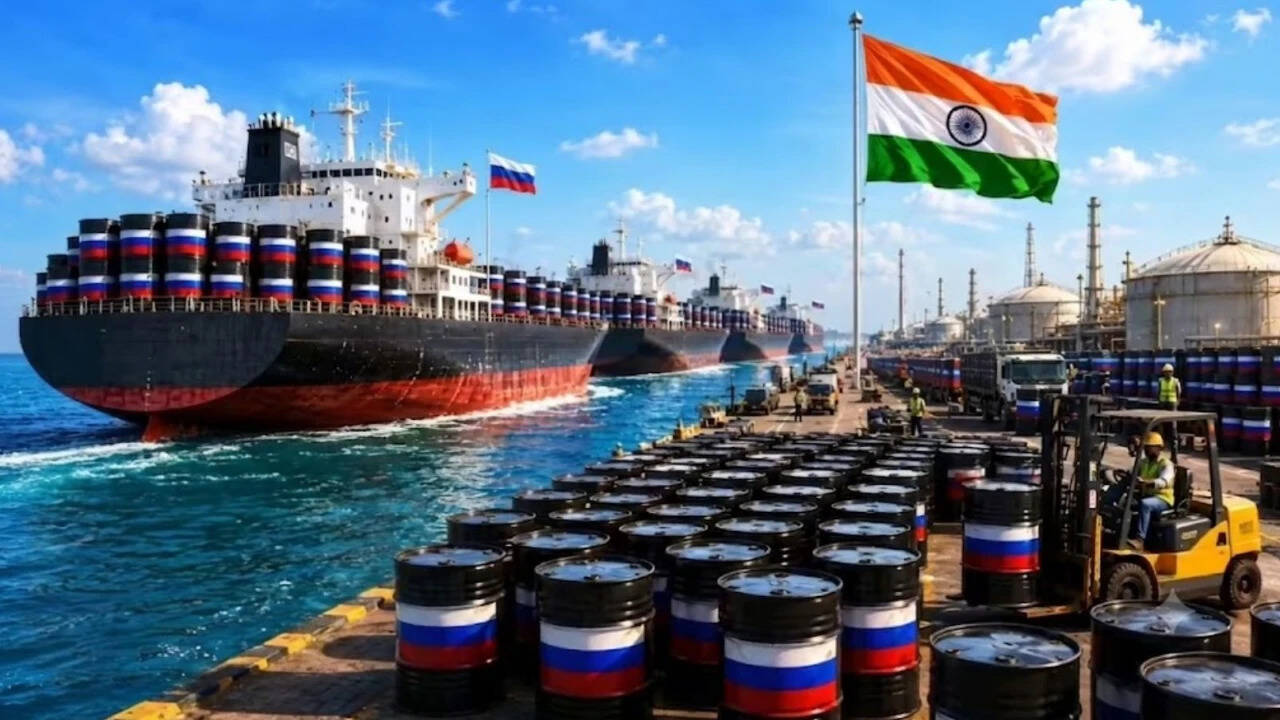
US senators have revised a Russia sanctions bill, reducing proposed tariffs on major energy importers like India and China from 500% to 100%. The legislation aims to pressure Moscow by targeting its 'shadow fleet' and financial networks while maintaining strategic diplomatic balances with key global partners.
Strategic Calibration: Analyzing the Revised US Russia Sanctions Bill
The United States government is currently navigating a complex geopolitical landscape as it seeks to stifle the Russian Federation's ability to fund its military operations. The recent unveiling of a revised Russia sanctions bill by US senators marks a significant pivot in strategy. By reducing the proposed tariffs on major energy buyers—specifically India and China—from a prohibitive 500% to a still-substantial 100%, the US is moving from a stance of absolute economic deterrence to one of calibrated pressure. This adjustment suggests a realization within the US Senate that extreme tariffs could trigger global economic instability or alienate critical strategic partners.
The Economics of Energy Deterrence
The Tariff Shift and Global Market Realities
The initial proposal of a 500% tariff was likely intended as a symbolic and absolute barrier, designed to make the purchase of Russian energy mathematically impossible for any rational economic actor. However, the reduction to 100% reflects a more pragmatic approach to international trade and diplomacy. For countries like India, which has significantly increased its intake of Russian crude to ensure domestic energy security and manage inflation, a 500% tariff would have been viewed as an act of economic aggression. By lowering the threshold, the US maintains a punitive mechanism that discourages the trade but avoids creating a total diplomatic rupture with New Delhi, a city the US views as a critical counterweight to Chinese influence in the Indo-Pacific.
Targeting the 'Shadow Fleet' and Financial Infrastructure
Beyond the tariff adjustments, the bill's focus on Russia's "shadow fleet" represents a sophisticated evolution in economic warfare. The shadow fleet consists of aging tankers with opaque ownership and insurance, used specifically to bypass the G7 price caps on Russian oil. By targeting these vessels and the financial institutions that facilitate their operations, the US is attempting to close the loopholes that have allowed Moscow to maintain its revenue streams despite previous sanctions. This shift from broad tariffs to targeted maritime and financial interdiction suggests that the US is prioritizing the disruption of the logistics of oil transport over the mere taxation of the commodity itself.
Geopolitical Balancing: The China-India Dilemma
The inclusion of China and India in these revisions highlights the precarious balancing act the US must perform. While China is a systemic competitor, the US cannot afford a total collapse of trade relations that could lead to a global depression. Similarly, India's role as a growing democratic power makes it an indispensable partner. The revised bill acknowledges that forcing these nations to completely abandon Russian energy overnight is unrealistic. Instead, the legislation creates a framework where the cost of doing business with Russia remains high, thereby incentivizing a gradual shift toward alternative energy sources without triggering an immediate geopolitical crisis.
Legislative Legacy and Domestic Politics
The mention of Senator Lindsey Graham's legacy within the bill's development points to the internal political dynamics of the US Senate. Sanctions legislation often requires broad bipartisan support to survive legislative hurdles and ensure long-term implementation across different presidential administrations. By easing the most extreme measures, the bill's sponsors are likely seeking a broader coalition of support, ensuring that the sanctions are seen as a measured tool of national security rather than an erratic exercise in economic volatility. This strategic tempering makes the bill more likely to pass and be sustained over time.
Conclusion: A Shift Toward Sustainable Pressure
In summary, the revised Russia sanctions bill represents a transition from a "shock and awe" economic approach to a sustainable, long-term strategy of attrition. By lowering tariffs on India and China while intensifying the crackdown on the shadow fleet and financial intermediaries, the US is attempting to isolate Russia without isolating itself. This approach recognizes the interdependencies of the global energy market and the necessity of maintaining strategic alliances. Moving forward, the effectiveness of this bill will depend on how strictly the US can enforce the maritime sanctions and whether the 100% tariff remains a sufficient deterrent to discourage the long-term flow of Russian energy into the East.