Family confirms death of Pune man missing after Hormuz ship attack
Source Entity
Shubham Kurale
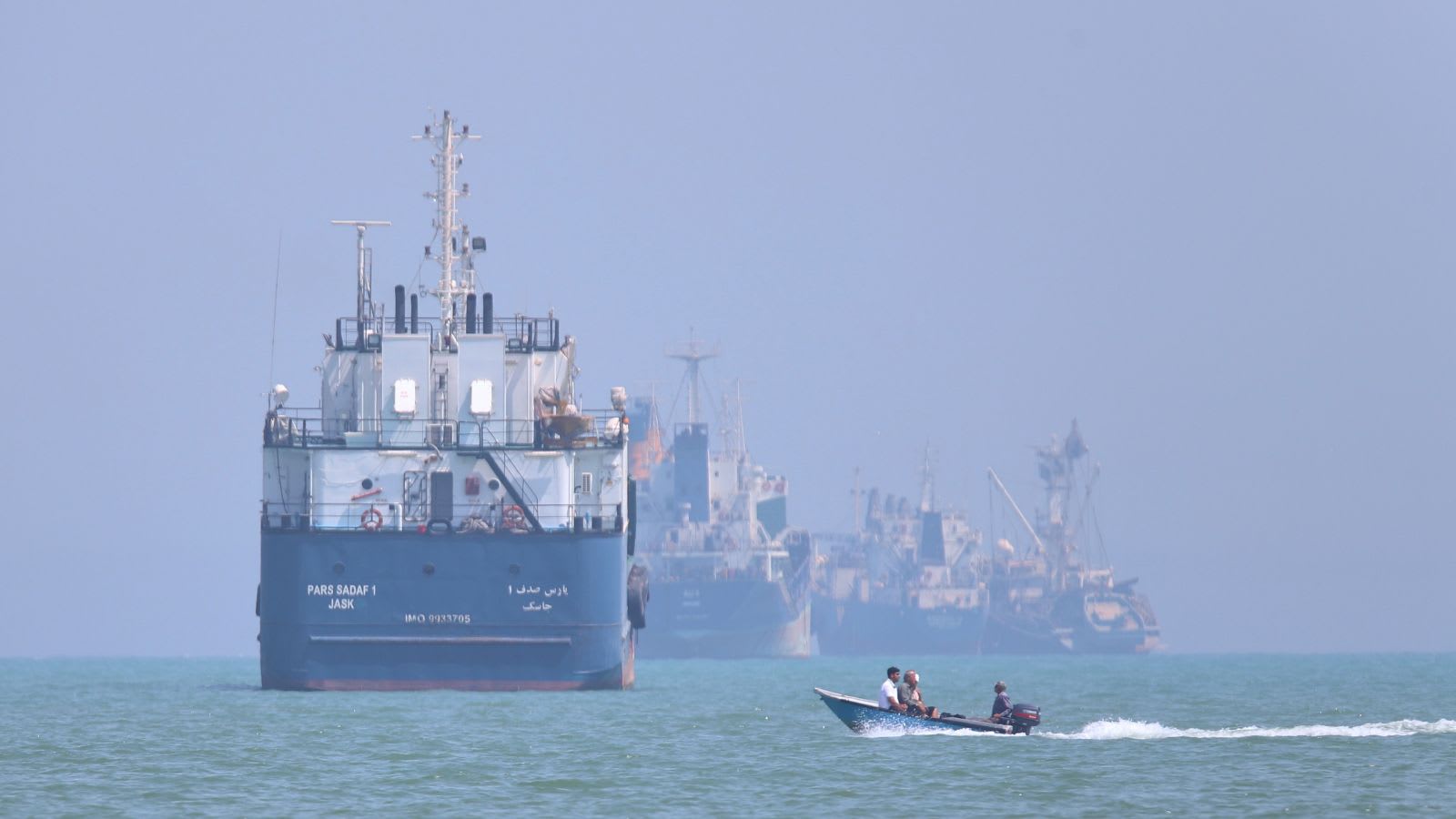
The family of a man from Pune, India, has confirmed his death following an attack on a ship in the Strait of Hormuz. The body is expected to be repatriated via the employer after postmortem procedures, though the family reports a lack of communication from the Ministry of External Affairs.
Tragedy in the Strait: Analysis of the Hormuz Ship Attack and Its Human Cost
The confirmation of the death of a Pune resident following a ship attack in the Strait of Hormuz marks a somber intersection between global geopolitical volatility and individual human tragedy. The event, confirmed by the victim's family, highlights the extreme risks faced by merchant mariners operating in one of the world's most contested maritime corridors. As the family awaits the completion of postmortem procedures and the eventual repatriation of the body to Pune, the incident underscores the precarious nature of international shipping in conflict-prone zones.
The Strategic Peril of the Strait of Hormuz
To understand the context of this attack, one must look at the geographic and political significance of the Strait of Hormuz. This narrow waterway is the world's most important oil chokepoint, connecting the Persian Gulf with the Gulf of Oman and the Arabian Sea. Because a significant portion of the world's petroleum passes through this strait, it is frequently used as a lever for political pressure. Attacks in this region are rarely random; they are often symptomatic of broader tensions involving regional powers, international sanctions, and the strategic interests of global superpowers. For the crew of the attacked vessel, these high-level political disputes translate into immediate, life-threatening dangers.
Vulnerability of the Indian Maritime Workforce
India provides a substantial portion of the global seafaring workforce, with thousands of Indian nationals serving on international tankers and cargo ships. This incident brings to light the vulnerability of these workers who often operate in 'High Risk Areas' (HRAs). While shipping companies provide insurance and safety protocols, the reality of a targeted attack often leaves crew members with little recourse. The fact that a resident of Pune was caught in such an event illustrates how regional conflicts in the Middle East have direct, devastating impacts on families thousands of miles away in India.
Diplomatic Gaps and Repatriation Challenges
A critical point raised by the family is the perceived lack of communication from the Ministry of External Affairs (MEA). In cases of death abroad, especially those resulting from hostile acts, the role of the MEA is pivotal in coordinating with foreign governments, embassies, and the employing company to ensure a dignified and swift repatriation. The delay or absence of contact mentioned by the family points to a potential gap in the crisis management framework for Indian seafarers. The reliance on the private company to handle the body's return, rather than a government-led diplomatic effort, often adds to the emotional distress of the bereaved family.
Broader Implications for Global Trade and Security
Beyond the individual tragedy, attacks in the Strait of Hormuz signal a destabilization of maritime security that affects global economics. When ships are targeted, insurance premiums (War Risk Surcharges) skyrocket, increasing the cost of shipping and, eventually, the price of commodities for consumers worldwide. This event may prompt further discussions among international naval coalitions regarding the need for increased escorts for commercial vessels. The insecurity of the strait forces shipping companies to weigh the financial gains of the route against the escalating risk to human life.
Future Trends in Maritime Safety
Looking forward, this incident is likely to drive a demand for more stringent safety certifications and better government-backed support systems for Indian seafarers. We can expect an increase in the adoption of advanced surveillance and defensive technologies on merchant ships, as well as a push for more transparent communication channels between the MEA and the families of those working in hazardous zones. As geopolitical tensions in the Middle East remain fluid, the frequency of such 'gray zone' conflicts—where commercial targets are used to send political messages—may unfortunately increase.
Conclusion
The death of the Pune man is a poignant reminder that the 'strategic' calculations of nation-states have real-world consequences for ordinary citizens. While the shipping industry and diplomatic bodies focus on the logistics of repatriation and the economics of trade, the core of this story remains a family's loss. The event serves as a catalyst for reviewing how India protects its maritime citizens in an increasingly unstable global landscape.