Gulf crisis: After fresh attacks, govt orders real-time monitoring of ships with Indian crew
Source Entity
DIPAK K DASH
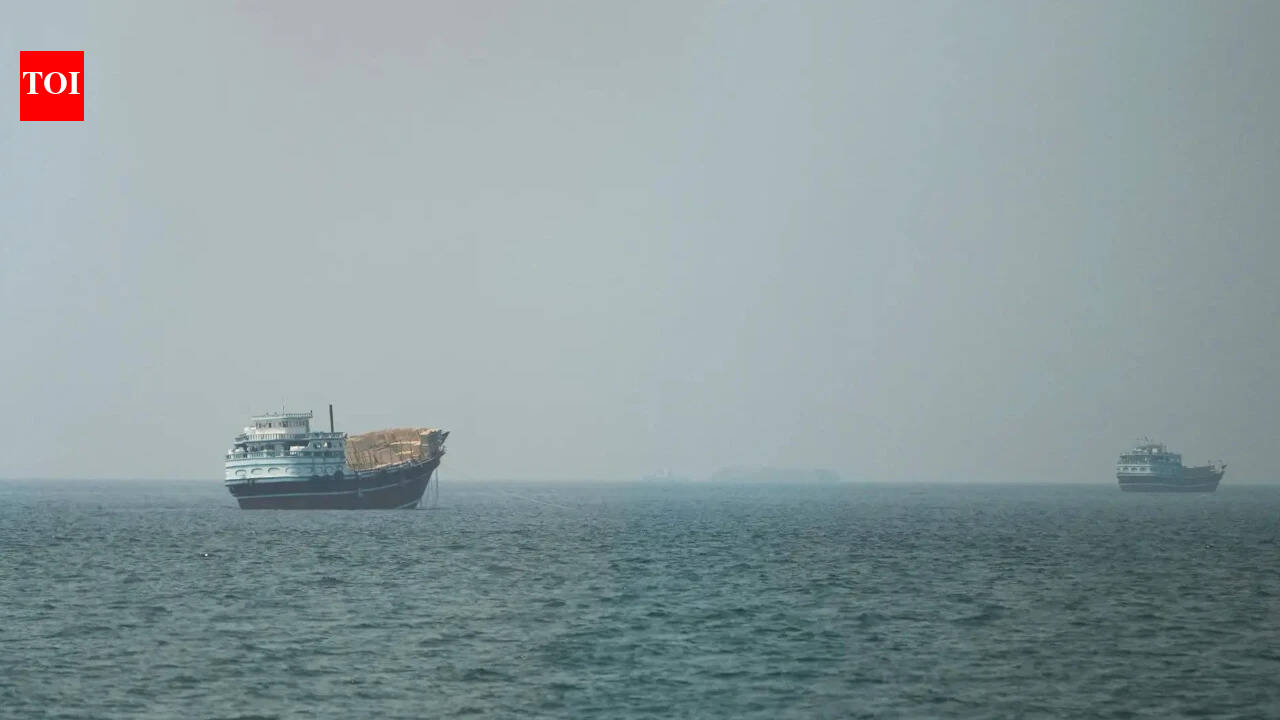
Following fresh attacks in the Gulf region, the Indian government has mandated the creation of a real-time vessel tracking dashboard to monitor ships with Indian crew members. The initiative includes the appointment of liaison officers for crew welfare and increased coordination with Indian diplomatic missions to ensure seafarer safety.
Safeguarding the Seas: India's Strategic Response to Gulf Volatility
The Gulf region has long been a geopolitical flashpoint, serving as one of the most critical maritime corridors for global energy and commerce. Given the high percentage of Indian seafarers employed in international shipping, any escalation in regional conflict poses a direct risk to Indian nationals. The recent directive by India's shipping minister to implement real-time monitoring is a decisive shift toward a proactive security posture, acknowledging that traditional reporting methods are insufficient in the face of rapid-response maritime threats.
Technological Vigilance: The Vessel Tracking Dashboard
At the heart of this new security framework is the comprehensive vessel tracking dashboard. By integrating real-time data on vessel positions, the ministry aims to eliminate the dangerous information lags that often occur during maritime crises. This digital infrastructure allows the government to maintain constant visibility of ships carrying Indian crew members, enabling them to identify vessels entering high-risk zones in real-time. Such a system is crucial for coordinating emergency evacuations or deploying naval assets should a vessel be targeted or detained, effectively reducing the response time from hours to minutes.
Prioritizing the Human Element and Welfare
Beyond the technical surveillance, the Indian government is addressing the profound psychological and socio-economic impact of maritime insecurity. The appointment of dedicated liaison officers represents a shift toward a human-centric approach to crisis management. These officers are tasked with providing a critical support system for affected seafarers and their families, ensuring that communication remains transparent and that legal or financial assistance is readily available. This recognizes that the trauma of a maritime attack extends beyond the crew, impacting the stability of families back home in India.
Diplomatic Synergy and Intelligence Integration
The directive to maintain close coordination with Indian missions in affected nations underscores the geopolitical complexity of the Gulf crisis. Maritime security is rarely a unilateral effort; it requires a seamless synergy between the Ministry of Shipping, the Ministry of External Affairs, and diplomatic outposts on the ground. By leveraging these missions, India can obtain localized intelligence and utilize diplomatic channels to negotiate the safe passage of vessels or the release of detained crew members, blending technical monitoring with strategic diplomacy.
Dynamic Risk Management and Threat Assessment
The mandate for "fresh threat assessments" for all vessel movements indicates a transition toward dynamic risk management. In a region where the security landscape can shift overnight due to political tensions or militant activity, static routing is no longer viable. By coordinating with maritime authorities to evaluate threats on a case-by-case basis, India is implementing a "caution-first" protocol. This likely involves analyzing real-time intelligence on piracy trends and military exercises to steer vessels away from potential conflict zones, thereby minimizing the probability of engagement.
Future Implications for Indian Maritime Policy
Looking forward, these measures suggest that India is preparing for a prolonged period of instability in the Gulf. The institutionalization of real-time monitoring and dedicated welfare officers could serve as a blueprint for Indian maritime operations in other volatile regions, such as the Red Sea or the Horn of Africa. As India seeks to expand its influence as a leading maritime power in the Indian Ocean Region, the ability to protect its citizens at sea will be a cornerstone of its strategic autonomy and national security framework.
Summary: India's response to the Gulf crisis is a comprehensive, multi-layered strategy that combines advanced technology, diplomatic coordination, and human welfare initiatives. By prioritizing real-time visibility and rigorous threat assessment, the government is taking essential steps to mitigate the risks faced by its seafarers in one of the world's most precarious shipping lanes.