PM Modi helped prevent Putin’s tactical nuclear strike on Ukraine in 2022: Polish minister
Source Entity
TOI NEWS DESK
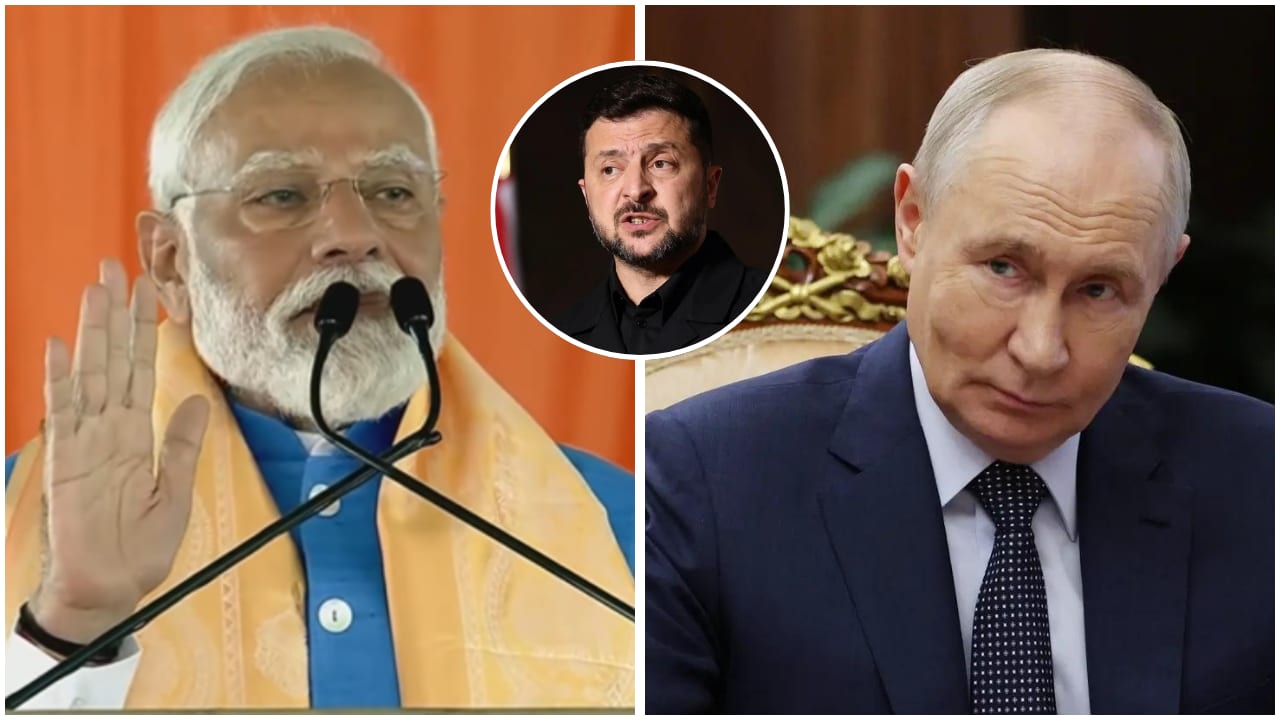
Poland's foreign minister has claimed that Indian Prime Minister Narendra Modi played a pivotal role in deterring Russian President Vladimir Putin from utilizing tactical nuclear weapons during the 2022 conflict in Ukraine, leveraging India's unique diplomatic ties with the Kremlin.
Diplomatic Deterrence: Analyzing PM Modi's Role in Nuclear De-escalation
In a striking revelation, Poland's foreign minister has asserted that Indian Prime Minister Narendra Modi exerted significant influence over Russian President Vladimir Putin to prevent the deployment of tactical nuclear weapons in Ukraine during the height of the 2022 conflict. This claim highlights a critical, often opaque layer of global diplomacy where non-aligned powers act as essential buffers between opposing superpowers. The statement underscores the perception that India possesses a unique level of trust and access to the Kremlin that few other world leaders can claim, positioning New Delhi as a vital channel for crisis management in the modern geopolitical era.
The Foundation of India-Russia Strategic Ties
To understand why PM Modi is viewed as having such influence, one must look at the historical bedrock of India-Russia relations. Since the Cold War, the Soviet Union and later the Russian Federation have been primary suppliers of military hardware and strategic partners for India. This long-standing relationship is not merely transactional but is built on decades of mutual diplomatic support on global stages. Because India has resisted the pressure to fully align with Western sanctions regimes, it has maintained a level of credibility with President Putin, allowing the Indian leadership to deliver candid warnings and diplomatic pleas that might be dismissed if they came from Washington or Brussels.
The 2022 Nuclear Crisis and the 'Backchannel' Effect
Throughout 2022, the rhetoric surrounding the use of "tactical nuclear weapons" reached a fever pitch as Russian forces faced significant setbacks on the battlefield. In such high-stakes environments, formal diplomatic channels often break down, leaving a void that can lead to catastrophic miscalculations. The Polish minister's claim suggests that PM Modi filled this void, utilizing private communications to emphasize the global repercussions of nuclear escalation. By leveraging the concept of "strategic autonomy," India was able to communicate the risks of nuclear proliferation and the resulting global instability to Putin without appearing as a puppet of Western interests.
Balancing the West and the East
This event exemplifies India's complex balancing act between its growing partnership with the United States and its legacy ties with Russia. While India is a member of the Quad and seeks closer security ties with the West to counter regional threats, it recognizes that a total rupture with Russia would be strategically detrimental. By intervening to prevent a nuclear catastrophe, India demonstrated its value to the Western alliance—not through military contribution, but through indispensable diplomatic mediation. This reinforces India's ambition to be seen as a "Vishwa Mitra" (friend to the world), capable of bridging the gap between conflicting global poles.
Broader Implications for Global Security
The admission by the Polish foreign minister suggests that the prevention of nuclear escalation in the Ukraine conflict was not solely the result of Western deterrence, but also the result of nuanced pressure from the Global South. This shifts the narrative of the conflict, suggesting that middle powers and emerging economies now hold the keys to preventing global catastrophes. It indicates a trend where the traditional bipolar or unipolar world orders are being replaced by a multipolar system where leaders like Modi can exercise "soft power" and "hard influence" simultaneously to maintain global stability.
Conclusion: A New Era of Mediatory Diplomacy
Ultimately, the claim that PM Modi helped prevent a tactical nuclear strike serves as a testament to the power of diversified diplomacy. While the specifics of these conversations remain classified, the public acknowledgement by a frontline state like Poland validates India's role as a critical stabilizer in the Russia-Ukraine crisis. Moving forward, this precedent likely ensures that India will continue to be a primary mediator in conflicts involving Russia, as the world recognizes that the path to de-escalation often runs through New Delhi.