This 101-yr-old journo still works, lives independently. Her 3 habits may surprise you
Source Entity
TOI TRENDING DESK
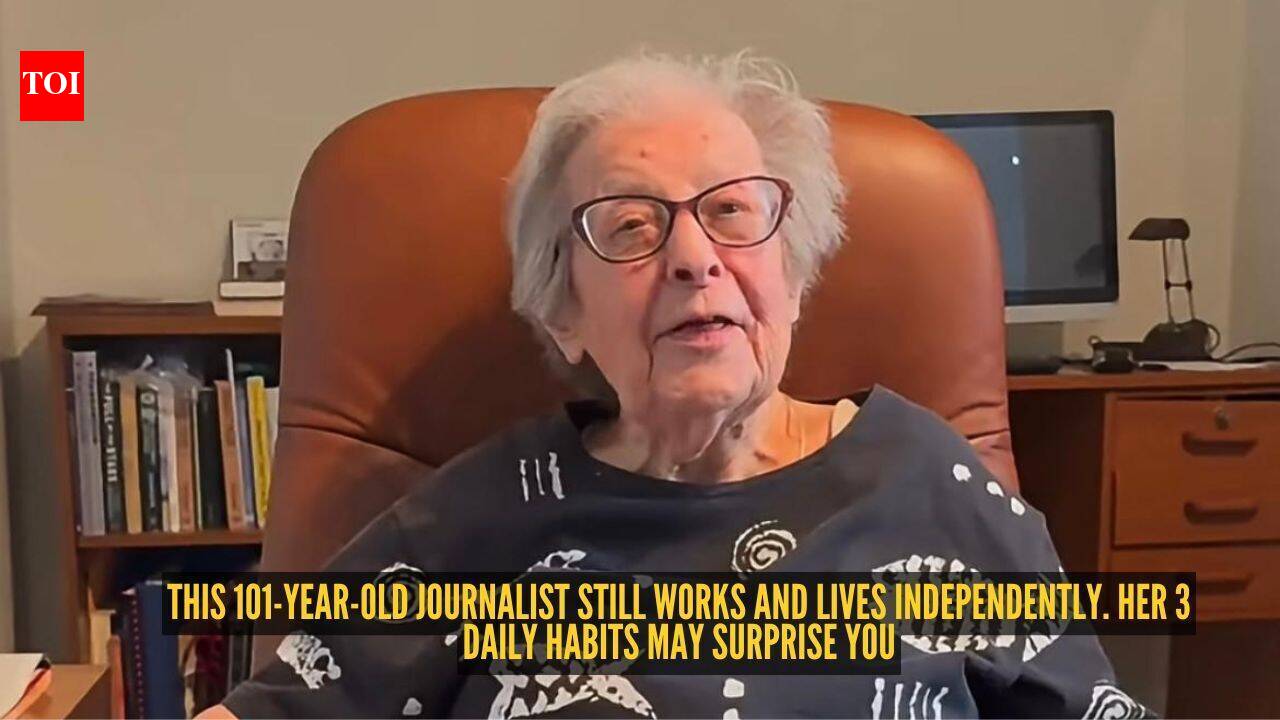
Eileen Lavine, a 101-year-old journalist, attributes her longevity and independence to three core habits: continuous mental stimulation through reading and puzzles, maintaining a professional career, and fostering meaningful social connections.
The Blueprint for Active Aging: Analyzing the Longevity of Eileen Lavine
In an era where healthcare focuses heavily on pharmacological interventions, the story of 101-year-old journalist Eileen Lavine provides a compelling case study in "active aging." Lavine's ability to live independently and maintain cognitive sharpness well into her second century is not merely a biological fluke, but appears to be the result of a disciplined lifestyle centered on mental engagement and social utility. Her narrative underscores a growing body of geriatric research suggesting that the quality of life in extreme old age is inextricably linked to a sense of purpose and continuous cognitive challenge.
The Role of Cognitive Reserve and Mental Stimulation
Lavine's habit of reading newspapers and solving puzzles daily is a textbook example of building and maintaining "cognitive reserve." In neurological terms, cognitive reserve refers to the brain's ability to improvise and find alternate ways of getting a job done when the primary pathways are damaged by aging or disease. By consistently engaging in complex mental tasks, Lavine is effectively exercising her neuroplasticity. For a journalist, the act of processing current events and synthesizing information requires higher-order thinking skills that prevent the cognitive stagnation often seen in sedentary retirement, thereby delaying the onset of age-related decline.
Professional Purpose and the Psychology of Contribution
Perhaps the most striking aspect of Lavine's longevity is her refusal to retire. The psychological impact of continuing to work—especially in a demanding field like journalism—cannot be overstated. Many elderly individuals experience a "retirement slump," where the loss of a professional identity leads to depression and a rapid decline in physical health. By continuing to contribute through her work, Lavine maintains a vital link to the outside world and a reason to wake up every morning. This aligns with the Japanese concept of Ikigai (a reason for being), which is frequently cited in studies of "Blue Zones"—regions where people live significantly longer than the global average.
Combatting the Epidemic of Loneliness
Lavine explicitly emphasizes the importance of meaningful connections to stave off loneliness. From a public health perspective, social isolation in the elderly is often compared to the health risks of smoking fifteen cigarettes a day. Loneliness triggers chronic stress responses that can weaken the immune system and accelerate cardiovascular decay. By leveraging her professional network and personal relationships, Lavine creates a social safety net that provides emotional support and mental stimulation, ensuring that her independence is not synonymous with isolation.
The Synergy of Independence and Autonomy
Living independently at 101 is a rare achievement that requires a synergy of physical mobility and mental autonomy. The ability to manage one's own affairs fosters a sense of agency and self-worth, which in turn fuels the desire to remain active. Lavine's lifestyle suggests a positive feedback loop: her mental habits keep her sharp enough to live independently, and her independence provides the freedom to pursue the very habits—reading, working, and socializing—that maintain her health. This autonomy is a critical psychological buffer against the feelings of helplessness that often accompany advanced age.
Conclusion: Implications for Modern Gerontology
Eileen Lavine's experience serves as a powerful reminder that longevity is not just about adding years to life, but adding life to years. Her three-pronged approach—cognitive rigor, professional engagement, and social connectivity—offers a scalable model for healthy aging. As the global population shifts toward an older demographic, Lavine's life demonstrates that the keys to independence may lie less in medical miracles and more in the simple, persistent commitment to staying curious, useful, and connected to others.