Gastroenterologist calls amaranth India’s next superfood: ‘Naturally gluten-free and…’
Source Entity
The Indian Express
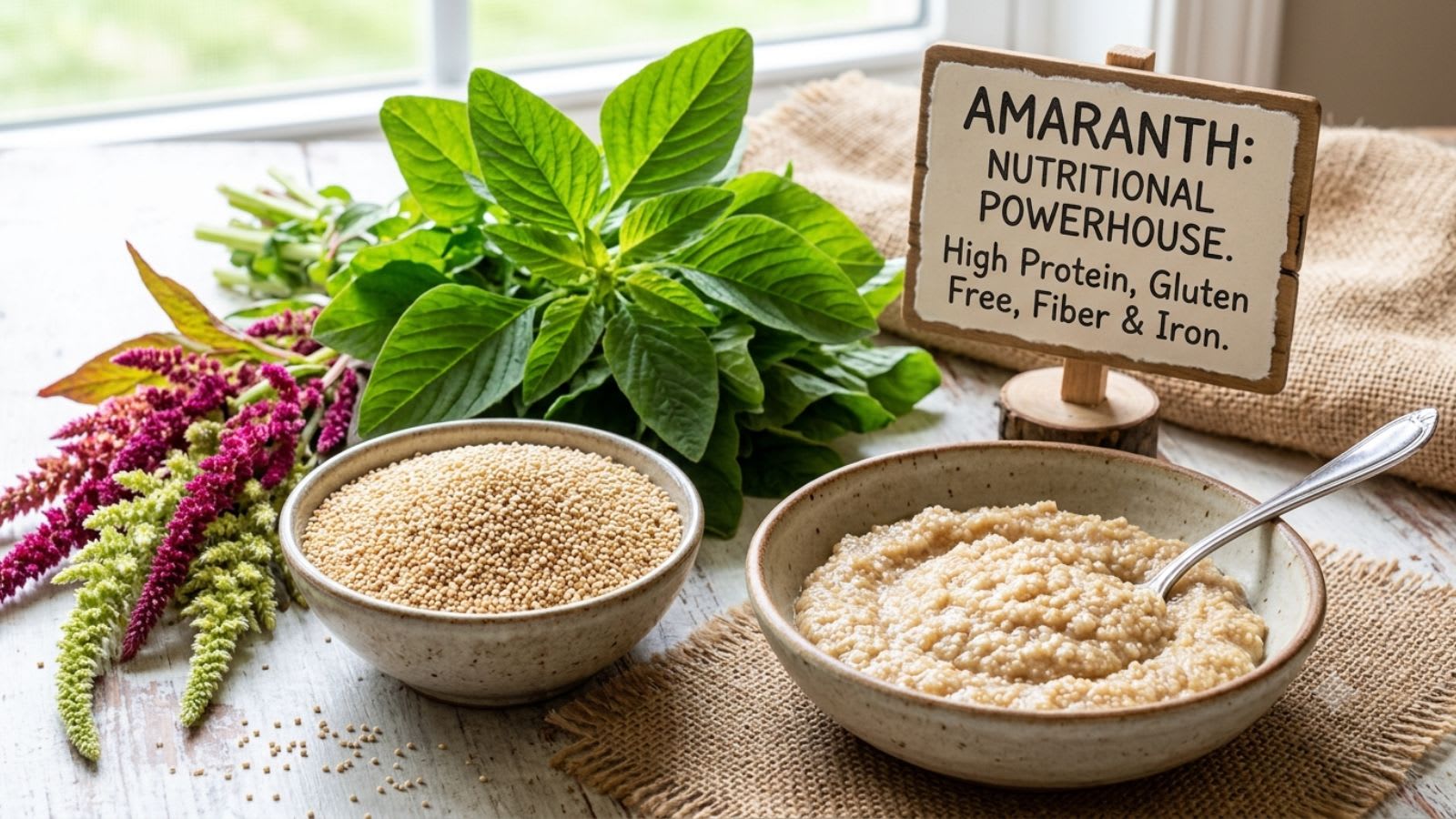
A gastroenterologist is advocating for amaranth (Rajgira) to be recognized as India's next superfood, highlighting its naturally gluten-free properties and dense nutritional profile to encourage its transition from a fasting-specific food to a daily dietary staple.
The Resurgence of Amaranth: From Ritual Food to Modern Superfood
In a recent push for dietary diversification, a prominent gastroenterologist has identified amaranth as India's next 'superfood.' This recommendation comes at a critical juncture where modern dietary habits in India are shifting toward processed grains, leading to an increase in gastrointestinal issues and lifestyle-related metabolic disorders. By advocating for the integration of amaranth into daily meals, medical professionals are attempting to bridge the gap between traditional ancestral wisdom and contemporary nutritional science, emphasizing the grain's ability to support gut health and overall systemic wellness.
The Clinical Importance of Gluten-Free Alternatives
From a gastroenterological perspective, the 'naturally gluten-free' nature of amaranth is its most significant attribute. As the prevalence of celiac disease and non-celiac gluten sensitivity rises globally and within India, there is an urgent need for nutrient-dense alternatives to wheat. Unlike many gluten-free substitutes that are highly processed or stripped of nutrients, amaranth provides a complete protein profile, containing all essential amino acids. This makes it an ideal dietary intervention for patients suffering from inflammatory bowel diseases (IBD) or those requiring a low-inflammation diet to manage gut permeability and digestive efficiency.
Historical Context and the 'Vrat' Tradition
Amaranth, known locally in India as Rajgira, has a deep-rooted history in the Indian subcontinent, though it has largely been relegated to specific ritualistic contexts. For centuries, it has been a staple during fasting periods (Vrat), where grains like wheat and rice are traditionally avoided. This historical usage proves that the grain is already culturally accepted and accessible. However, the transition from a 'fasting food' to an 'everyday food' represents a significant shift in perception. By moving amaranth from the periphery of the diet to the center, nutritionists aim to leverage existing cultural familiarity to improve public health outcomes.
Nutritional Superiority and Metabolic Health
Beyond being gluten-free, amaranth is a powerhouse of essential minerals, including iron, magnesium, and phosphorus. Its high fiber content is particularly relevant to the gastroenterologist's advocacy, as fiber is the primary fuel for a healthy gut microbiome. In an era where refined carbohydrates contribute to insulin resistance and type 2 diabetes—conditions highly prevalent in the Indian population—the slow-digesting nature of amaranth helps maintain stable blood glucose levels. This makes it not just a healthy alternative, but a strategic tool in combating the regional epidemic of metabolic syndrome.
Broader Implications for Sustainable Nutrition
The promotion of amaranth also carries significant implications for agricultural sustainability and food security. Amaranth is a hardy crop that requires fewer water resources than rice or wheat and can thrive in poor soil conditions. As climate change threatens traditional crop yields, diversifying the Indian plate to include climate-resilient ancient grains ensures a more stable food supply. The medical endorsement of such crops creates a symbiotic relationship between public health and sustainable farming, encouraging farmers to diversify their produce to meet a growing urban demand for 'functional foods.'
Future Trends in the Indian Diet
Looking forward, it is likely that amaranth will follow the trajectory of quinoa, evolving from a niche health food to a mainstream commodity. We can expect to see an increase in amaranth-based fortified products, such as gluten-free pastas, breakfast cereals, and baked goods, tailored for the health-conscious urban consumer. As more medical professionals voice their support, the reliance on imported 'superfoods' may decrease in favor of indigenous alternatives. This shift will likely empower local producers and foster a national movement toward 'nutritional sovereignty,' where traditional Indian grains are reclaimed for their science-backed health benefits.
Summary
The gastroenterologist's call to embrace amaranth is more than a simple dietary tip; it is a call to reintegrate ancestral nutrition into a modern medical framework. By highlighting its gluten-free status and nutrient density, the medical community is providing a viable pathway to better gut health and metabolic stability for millions of Indians, while simultaneously supporting sustainable agricultural practices.