Before Tahir Hussain’s conviction, judicial panel visited scene of crime
Source Entity
Alok Singh, Nirbhay Thakur
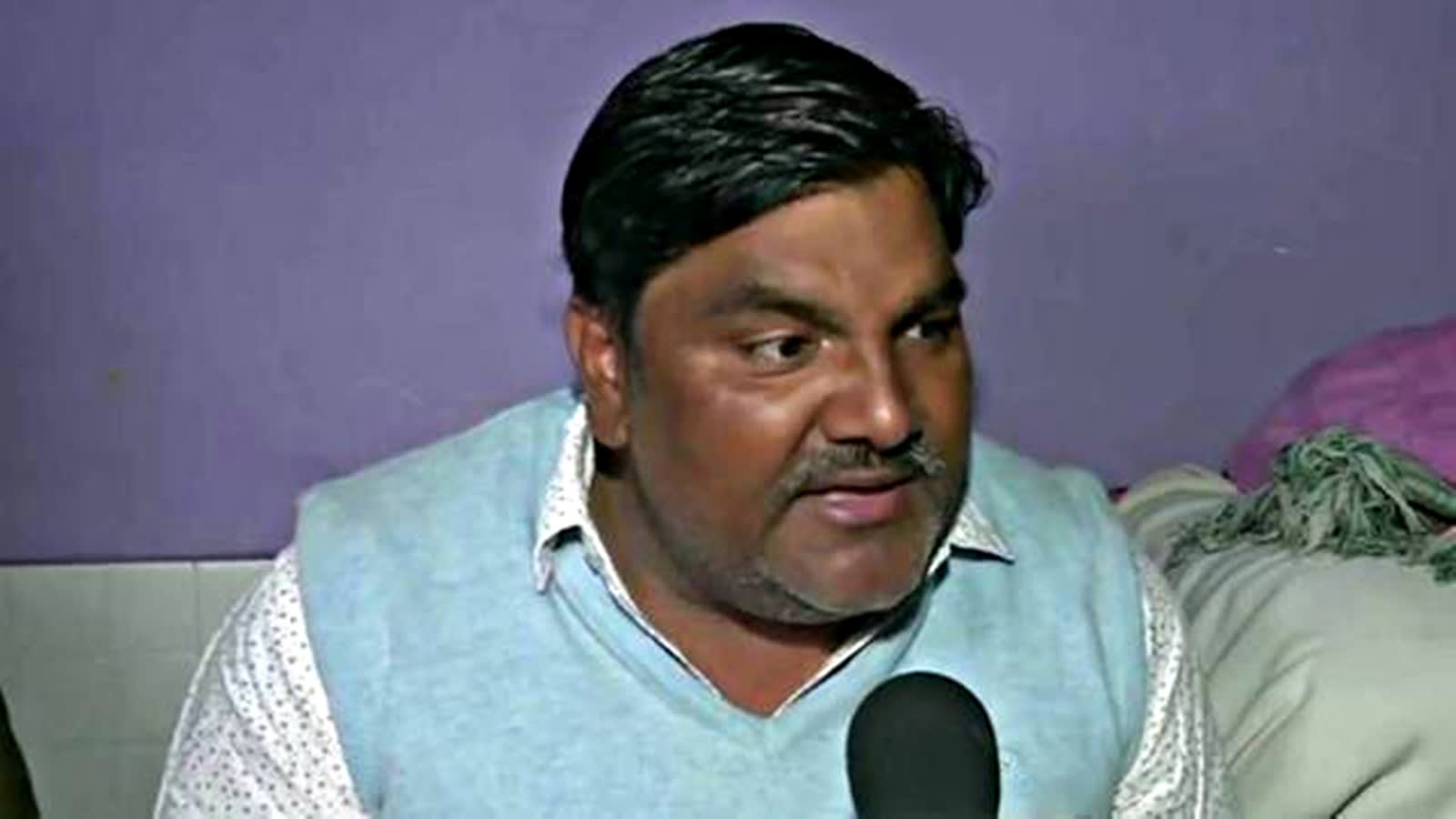
A judicial panel conducted a site visit to Chand Bagh in Northeast Delhi, one of the most impacted areas of the 2020 riots, as part of the legal proceedings leading to the conviction of Tahir Hussain.
Judicial Scrutiny and the Path to Conviction: The Chand Bagh Site Visit
The recent conviction of Tahir Hussain in relation to the 2020 Northeast Delhi riots marks a significant milestone in the pursuit of legal accountability for one of the city's most violent episodes of civil unrest. A critical component of this legal trajectory was the decision by a judicial panel to personally visit the scene of the crime in Chand Bagh on May 11. This move underscores the judiciary's commitment to corroborating testimonial evidence with physical geography, ensuring that the spatial dynamics of the violence are fully understood before a final verdict is rendered.
The Strategic Importance of the Scene Visit
In complex criminal cases involving mass unrest and multiple perpetrators, a 'scene of crime' visit is an indispensable tool for the court. By visiting the narrow lanes of Chand Bagh, the judicial panel could better evaluate the feasibility of witness accounts regarding the movement of mobs and the positioning of the accused. In the context of the 2020 riots, where urban density played a role in how violence spread, understanding the layout of the locality allows the court to distinguish between hearsay and physically possible occurrences. This meticulous approach reduces the margin for error and strengthens the conviction against high-profile figures like Tahir Hussain.
Contextualizing the Violence in Chand Bagh
Chand Bagh stood as one of the epicenters of the 2020 Northeast Delhi riots, characterized by intense communal clashes, arson, and loss of life. The mention of an Intelligence Bureau (IB) staffer, Ankit, highlights the diverse range of victims caught in the crossfire. The targeting of government officials and civilians alike during these riots indicated a breakdown of law and order that required an extraordinary judicial response. The presence of heavy police deployment during the judicial visit serves as a reminder of the lingering tensions in the area and the state's need to maintain a strict security perimeter during sensitive legal proceedings.
Legal Implications of the Conviction
The conviction of Tahir Hussain is not merely a victory for the victims but a signal regarding the legal consequences of inciting communal violence. The use of a judicial panel to verify evidence suggests that the prosecution aimed for a 'bulletproof' case that could withstand the rigors of the appellate process. Historically, cases involving riot-related violence often struggle with inconsistent witness testimonies over time; however, by anchoring the trial in the physical reality of the crime scene, the court has created a more robust evidentiary foundation.
Broader Societal Impact and Future Trends
Looking forward, this case sets a precedent for how the Indian judicial system handles large-scale communal riots. The emphasis on site visits and detailed forensic geography may become more common in trials involving urban warfare or mass protests. Furthermore, the resolution of this case provides a measured sense of closure to the residents of Northeast Delhi, though the deep-seated communal scars remain. The trend suggests a shift toward more thorough, albeit slower, judicial processes to ensure that convictions are based on an exhaustive analysis of both human and physical evidence.
Summary of Findings
In conclusion, the judicial panel's visit to Chand Bagh was a pivotal procedural step that ensured the conviction of Tahir Hussain was grounded in factual, spatial reality. By synthesizing witness testimonies with the actual geography of the 2020 riot sites, the court has reinforced the rule of law in the face of extreme civil volatility, providing a blueprint for future high-stakes criminal investigations in India.